


 Trump Administration Dismisses Entire National Science Board, Sparking Debate Over Scientific Independence
  FEMA Reinstates Employees After Dissent Letter, Signaling Shift in Workforce Stability
  US House Advances $70 Billion Immigration Enforcement Budget Plan
  Brazil Pension Fund Crackdown After Banco Master Collapse Raises Investment Concerns
  Dominican Republic Halts GoldQuest Mining Project Amid Environmental Protests
  Google Secures Pentagon AI Deal for Classified Projects
  US Sanctions Target Iran’s Shadow Banking Network and Terror Financing
  Rubio Approves $25.8 Billion Weapons Sale to Middle East Allies
  U.S.-China Beef Trade Deal Hopes Rise Ahead of Trump-Xi Summit
  US to Withdraw 5,000 Troops from Germany Amid Growing Rift with European Allies
  U.S. Fast-Tracks $8.6 Billion Arms Sales to Middle East Allies Amid Rising Tensions
  Federal and State Authorities Conduct Widespread Fraud Raids Across Minnesota
  Iran Accuses U.S. of Violating Strait of Hormuz Ceasefire with Ship and Coastal Attacks
  Australia Targets Meta, Google, and TikTok With New News Payment Tax Proposal
  U.S. Sanctions Former DR Congo President Joseph Kabila Over Rebel Support
  US Reviews Mexican Consulates Amid Rising Diplomatic Tensions
  U.S. Flags Vietnam as “Priority Foreign Country” Over Intellectual Property Concerns


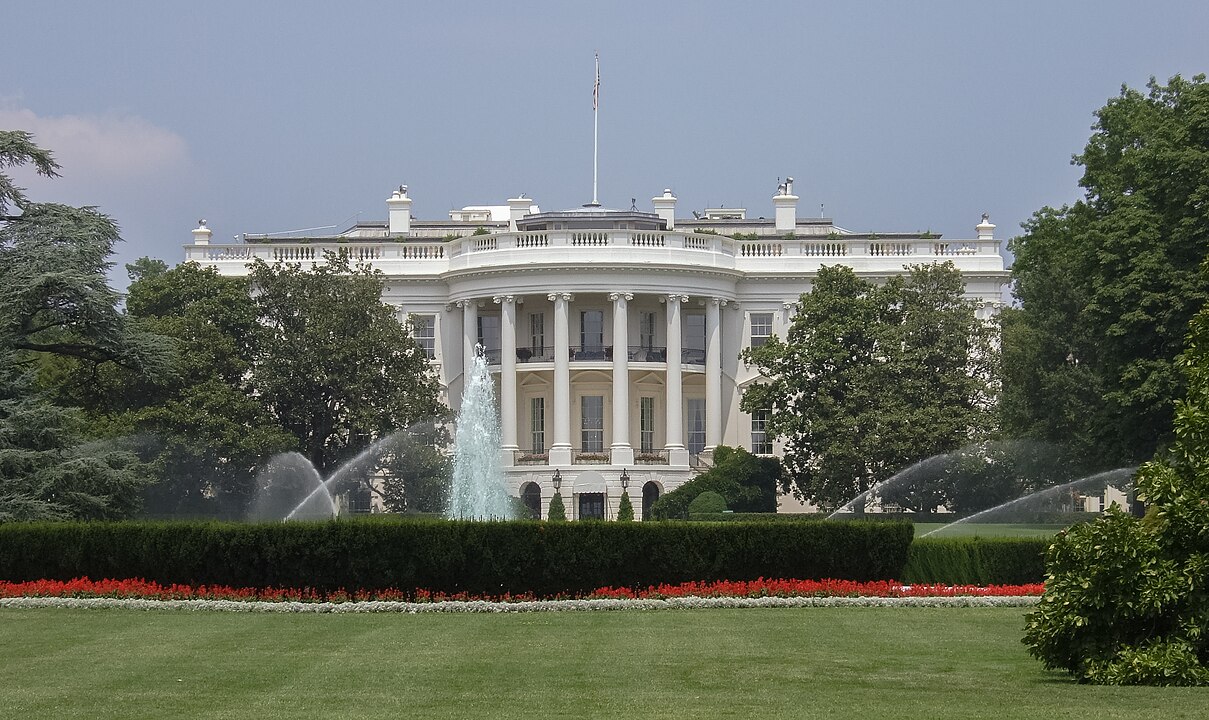
The administration of U.S. President Donald Trump is reportedly preparing to repeal a key Obama-era scientific determination that has long served as the legal foundation for federal regulation of greenhouse-gas emissions. According to a report by the Wall Street Journal, the move could be finalized as early as this week and would represent a major shift in U.S. climate and environmental policy.
At the center of the plan is the Environmental Protection Agency’s 2009 “endangerment finding,” which concluded that greenhouse gases pose a threat to public health and welfare. That finding enabled the EPA to regulate carbon dioxide and other greenhouse gases under the Clean Air Act, forming the basis for vehicle emissions standards, fuel economy rules, and related compliance programs.
EPA Administrator Lee Zeldin told the Wall Street Journal that repealing the endangerment finding would constitute “the largest act of deregulation in the history of the United States.” If implemented, the rollback would eliminate federal requirements for industries to measure, report, and comply with greenhouse-gas emissions standards for motor vehicles. It would also dismantle associated reporting and compliance obligations that have been in place for more than a decade.
While the immediate impact would focus on vehicle emissions and fuel-economy regulations, the repeal could have broader implications. The report noted that emissions rules for power plants and other stationary sources would not be immediately affected. However, removing the endangerment finding could open the door to wider deregulation of climate-related rules across multiple sectors in the future.
The expected policy shift is likely to trigger significant legal challenges. Environmental groups have indicated they will contest the repeal in court, arguing that the scientific basis for the endangerment finding remains valid. Such lawsuits could lead to years of legal uncertainty surrounding U.S. climate regulation and federal authority under the Clean Air Act.
If finalized, the move would mark a major departure from previous climate policy and could reshape how greenhouse-gas emissions are regulated in the United States for years to come.







