


 Rubio Presses Italy Over Iran Support as Tensions Test U.S.-Italy Alliance
  FEMA Reinstates Employees After Dissent Letter, Signaling Shift in Workforce Stability
  Dominican Republic Halts GoldQuest Mining Project Amid Environmental Protests
  US Reviews Mexican Consulates Amid Rising Diplomatic Tensions
  Trump-Xi Beijing Summit to Focus on Trade, Taiwan, and Boeing Deal
  Senate Stablecoin Bill Sparks Clash Between Banks and Crypto Industry
  U.S. Flags Vietnam as “Priority Foreign Country” Over Intellectual Property Concerns
  US-Iran Ceasefire Under Pressure as Fresh Strait of Hormuz Clashes Shake Oil Markets
  Israel Expands Gaza Restricted Zones, Raising Concerns for Civilians and Aid Access
  White House Withdraws Trump’s National Park Service Nominee Amid Criticism
  Israel’s Secret Iraq Base Allegedly Supported Iran Air Campaign, WSJ Reports
  U.S., South Korea Launch Shipbuilding Partnership Initiative
  US Launches Retaliatory Strikes on Iran Amid Rising Strait of Hormuz Tensions
  Russian LNG Shadow Fleet Expands Amid Arctic LNG 2 Sanctions
  Federal and State Authorities Conduct Widespread Fraud Raids Across Minnesota
  Brazil Pension Fund Crackdown After Banco Master Collapse Raises Investment Concerns
  Trump Expands Cuba Sanctions Targeting Key Sectors and Foreign Entities


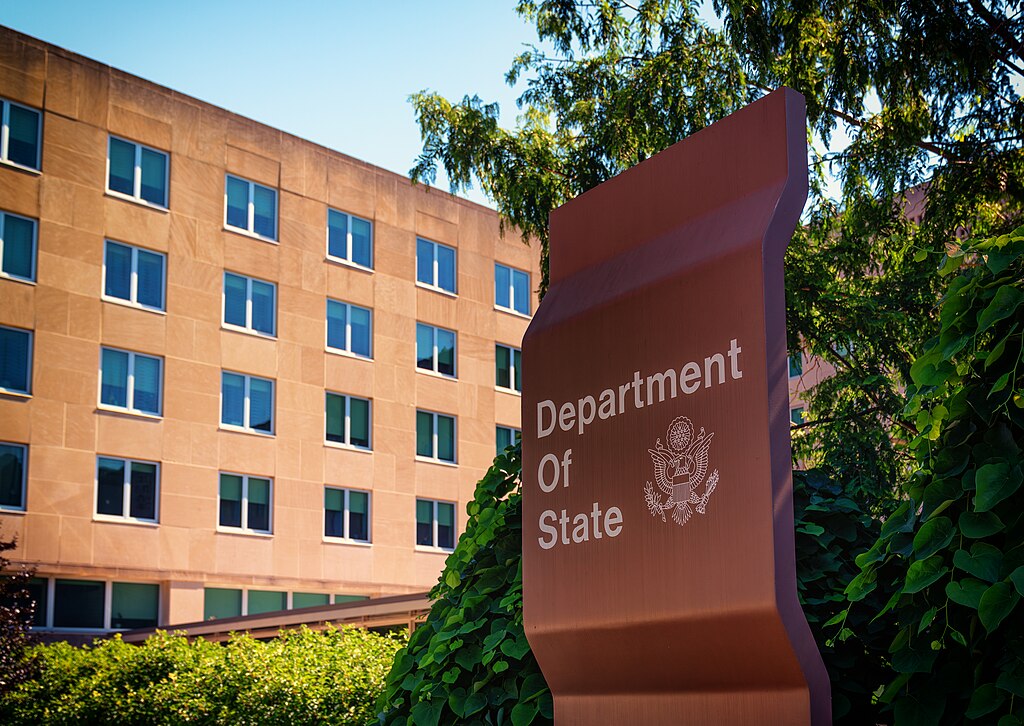
The U.S. government under President Donald Trump has expanded a controversial visa bond policy, adding 25 more countries to a list of nations whose citizens may be required to post a bond of up to $15,000 in order to apply for entry into the United States. According to information published on the U.S. State Department website on Tuesday, the total number of affected countries has now reached 38, with the policy for the newly added nations set to take effect on January 21.
The expanded list primarily includes countries from Africa, Latin America, and South Asia. Among them is Venezuela, which drew heightened attention after its former leader, Nicolas Maduro, was reportedly seized by U.S. forces over the weekend and brought to New York. The inclusion of Venezuela underscores the broader geopolitical and immigration-related tensions shaping U.S. policy under the Trump administration.
Under the program, citizens or nationals traveling on passports issued by any of the listed countries who are otherwise eligible for a B1/B2 visa for tourism or business purposes may be required to post a bond of $5,000, $10,000, or $15,000. The exact bond amount is determined during the visa interview process. Applicants must agree to the bond conditions and submit payment through Pay.gov, the U.S. Treasury Department’s official online payment platform.
The visa bond requirement was initially introduced as a State Department pilot program in August, targeting a smaller group of countries. U.S. officials have said the measure is designed to discourage visitors from overstaying their visas, a long-standing concern in immigration enforcement.
Since taking office last January, President Trump, a Republican, has pursued a hard-line immigration agenda. His administration has implemented aggressive deportation efforts, revoked visas and green cards, and expanded screening procedures, including reviews of social media activity and past public statements made by immigrants.
Human rights organizations have strongly criticized these immigration and travel policies, arguing that they undermine due process rights and restrict free speech. Trump and his supporters, however, contend that the measures are necessary to strengthen national security and ensure compliance with U.S. immigration laws.







