


 1 in 3 uni students experience serious financial hardship. Could concession cards for all help?
  Syndax Stock Drops 15% After Axatilimab Trial Failure
  PepsiCo Slashes Poppi Earnout Valuation as Growth Slows
  Bank of America Predicts Yen Rebound as USD/JPY Faces Risks
  Elon Musk Donates $366 Million to 2026 US Midterms
  FAA Warns US Airlines Over Saudi Arabia Flight Risks
  Disaster or digital spectacle? The dangers of using floods to create social media content
  South Korea Blocks 27 Crypto Exchange Websites in Regulatory Crackdown
  Booked to travel through the Middle East? Here’s why you shouldn’t cancel your flight
  Wall Street Ends Mixed as Investors Await CPI and Bank Earnings
  How to support someone who is grieving: five research-backed strategies
  Meta Launches Muse Wonder AI Models, Shares Rise 3.7%
  Binance to Shut Down Crypto Mining Pool Services on November 10
  US Dollar Rises for Fourth Week as Fed Rate Hike Bets Grow
  Orsted to Take Full Ownership of UK Offshore Wind Farm for £15 Million


 Add as a preferred source on Google
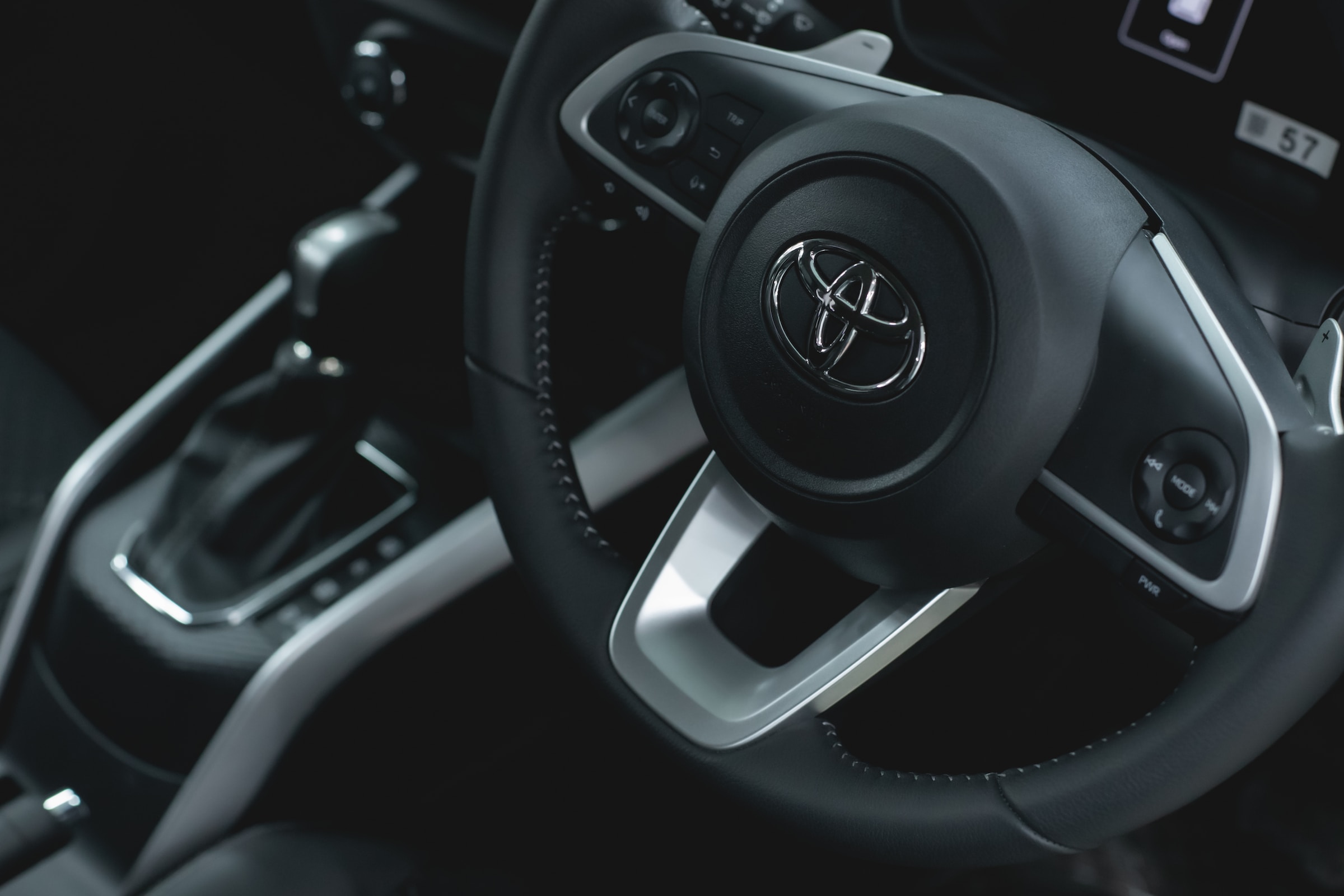
Toyota Motor's joint venture (JV) with Guangzhou Automobile Group in China has prematurely ended contracts for nearly 1,000 dispatch workers, highlighting the escalating price competition in the world's most significant auto market.
The JV, a collaboration between Toyota and China's state-owned Guangzhou Automobile Group (GAC), laid off these workers over the weekend. Reuters spoke to three workers who requested anonymity due to privacy concerns, and they confirmed that compensation was offered. These workers were originally employed through labor service companies and assigned to work at the factory in the southern city of Guangzhou.
In a statement provided to Reuters, Guangzhou Toyota Motor Co, the Toyota JV in China, explained that the termination of contracts for approximately 1,000 workers was due to recent production levels. The company is committed to complying with legal requirements by providing necessary economic compensation and offering detailed explanations to those affected.
The GAC Toyota factory, with an annual output capacity of 1 million vehicles, employs around 19,000 individuals, according to information available on its website. Among the models it produces are Camry, Levin, and bZ4X.
This development from Toyota follows a similar move by Mitsubishi Motors (7211.T) in July. Mitsubishi announced its intention to reduce staff costs at its joint venture with GAC in China to revitalize its business.
During an earnings call on Monday, Mitsubishi Motors Chief Executive Takao Kato informed reporters that the company had not yet reached an agreement with its local counterpart in China on the specifics of the restructuring plan. Kato also mentioned that the production of Mitsubishi's new Outlander model remains suspended, citing the "severe" conditions faced by the company in China.
Among automakers, Japanese brands experienced the largest sales decline in China during the first half of this year. According to the China Association of Automobile Manufacturers, their market share has decreased from nearly 20% to 14.9% compared to the previous year. Conversely, sales of Chinese brands accounted for 53% of the total.
To recover its sales in China, which had contracted by 9% in the first six months, Toyota has been relying on its electric vehicle (EV) models. The company initiated a price war, following Tesla's lead, and reduced the starting price of its bZ4X EV by 15% in February.
Photo: Neerob Raihan/Unsplash







