


 SpaceX Stock Falls Below IPO Price as Investors Weigh Losses and Lockup Expiry
  Tesla Stock Outlook: Strong EV Sales Boost Earnings, but AI Projects Drive Long-Term Value
  Nationwide Data Center Protests Highlight Growing Backlash Against AI Expansion
  Ryanair Warns Summer Airfares May Stay Lower as Quarterly Profit Misses Estimates
  Volvo Cars Q2 Profit Falls as Automaker Bets on EX60 EV to Drive Recovery
  Bank of America Says These Overlooked AI Stocks Could Be the Next Winners
  ASML Trillion-Dollar Valuation: Can Europe’s AI Chip Giant Reach the Historic Milestone?
  Samsung Biologics Launches $1.81 Billion Bid to Acquire PolyPeptide
  Why Maruti Suzuki Is Losing Market Share in India as SUVs and Premium Features Gain Popularity
  GM Q2 Earnings Beat Estimates as General Motors Raises 2026 Profit Outlook
  Morgan Stanley Downgrades Adobe, Workday as AI Transition Raises Growth Concerns
  TSMC Sees Multi-Year AI Chip Demand as Arizona Expansion Reaches $265 Billion
  Moonshot Launches Kimi K3, China's Largest Open-Source AI Model
  Xi Jinping Calls for People-Centered AI Development at WAIC, Expands Global Cooperation
  Samsung Cuts U.S. Consumer Electronics Jobs as Headquarters Moves to Texas
  South Korea’s Coupang Fine Sparks U.S. Criticism, Raising Concerns Over Bilateral Ties


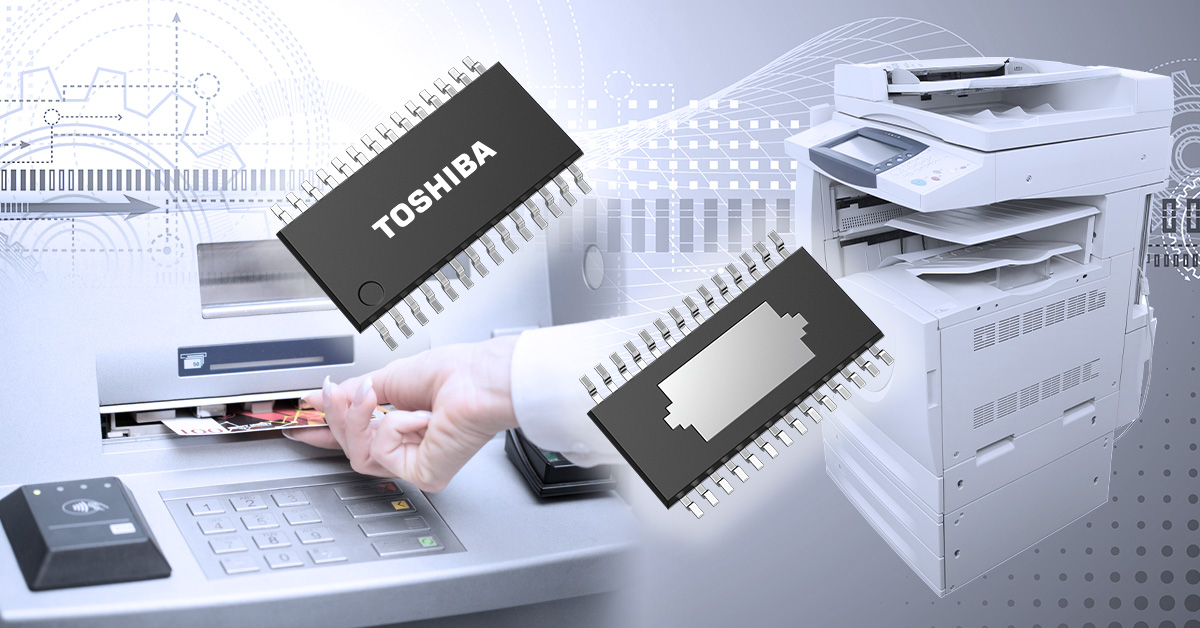
After a tumultuous period of scandal and upheaval, Japanese conglomerate Toshiba was delisted from the Tokyo exchange on Wednesday, marking the end of its 74-year run. This development follows a decade of challenges, culminating in a buyout by a group of investors led by private equity firm Japan Industrial Partners (JIP).
Reuters reported that the buyout, valued at $14 billion, signals a new chapter for Toshiba as it transitions into the hands of private investors.
A New Future Begins
Toshiba's delisting paves the way for a fresh start as the company takes a significant step toward an uncertain future with new shareholders. The conglomerate expressed gratitude for continuous understanding and support from stakeholders, emphasizing its commitment to forging a path forward, as per The Economic Times.
Under the stewardship of Chief Executive Taro Shimada, who will retain his position following the buyout, Toshiba is expected to focus on high-margin digital services. This move aligns with the support extended by Japan Industrial Partners, which had initially planned to collaborate with a state-backed fund. Industry insiders speculate that splitting up Toshiba may be a favorable alternative.
The Fallout from Bad Decisions
Damian Thong, head of Japan research at Macquarie Capital Securities, attributed Toshiba's difficulties to a combination of poor strategic decisions and unfortunate circumstances. Divestitures may offer a fresh start, unleashing the full potential of Toshiba's assets and human talent elsewhere.
Given Toshiba's significant workforce of approximately 106,000 people and the critical nature of some of its operations to national security, the Japanese government will closely monitor the situation. As part of the new management team, executives from Japan Industrial Partners, Orix, and Chubu Electric, along with a senior adviser from Sumitomo Mitsui Financial Group, will join the board.
Expanding Horizons and Emergence
Toshiba has wasted no time in seeking new opportunities. Already collaborating with Rohm, the company has invested $2.7 billion in manufacturing facilities for joint production of power chips. To improve profitability, Toshiba aims to exit lower-margin businesses and implement more robust commercial strategies around its advanced technologies, according to Ulrike Schaede, a professor of Japanese business at the University of California, San Diego.
Photo: Toshiba Newsroom







