


 Nikkei Plunges 5% as AI Stock Selloff Spreads Across Asia
  KB Securities Explains Why KOSPI Is Falling Despite Strong Samsung, SK Hynix Earnings
  Oil Prices Surge as U.S.-Iran Conflict Escalates, Raising Supply Fears
  Malaysia Q2 Economy Grows 5.8%, Beating Forecasts on Strong Tech Exports and Domestic Demand
  ECB Expected to Hold Rates as Middle East Tensions Keep September Hike in Focus
  Wall Street Ends Lower as AI Selloff, Iran Tensions Weigh on Tech Stocks
  US Stock Futures Hold Steady as Tesla, Alphabet Earnings and Iran Conflict Dominate Market Focus
  Gold Prices Head for Biggest Weekly Loss Since June as Fed Rate Outlook Weighs
  Trump Threatens Higher Canada Tariffs as Wildfire Smoke Sparks U.S. Air Quality Crisis
  Japan PM Sanae Takaichi Unveils Growth Plan as BOJ Independence Concerns Lift Bond Yields
  AI Chip Stocks Face Valuation Pressure as Investors Shift Toward Big Tech and Software
  Hong Kong AI Stocks Rally as Moonshot AI’s Kimi K3 Launch Boosts Market Optimism
  US Dollar Holds Near One-Week High as Middle East Tensions and Oil Prices Drive Market Sentiment
  Germany Producer Prices Rise 1.8% in June, Missing Forecasts
  China Holds Loan Prime Rates Steady for 14th Month as Economic Recovery Remains Uneven


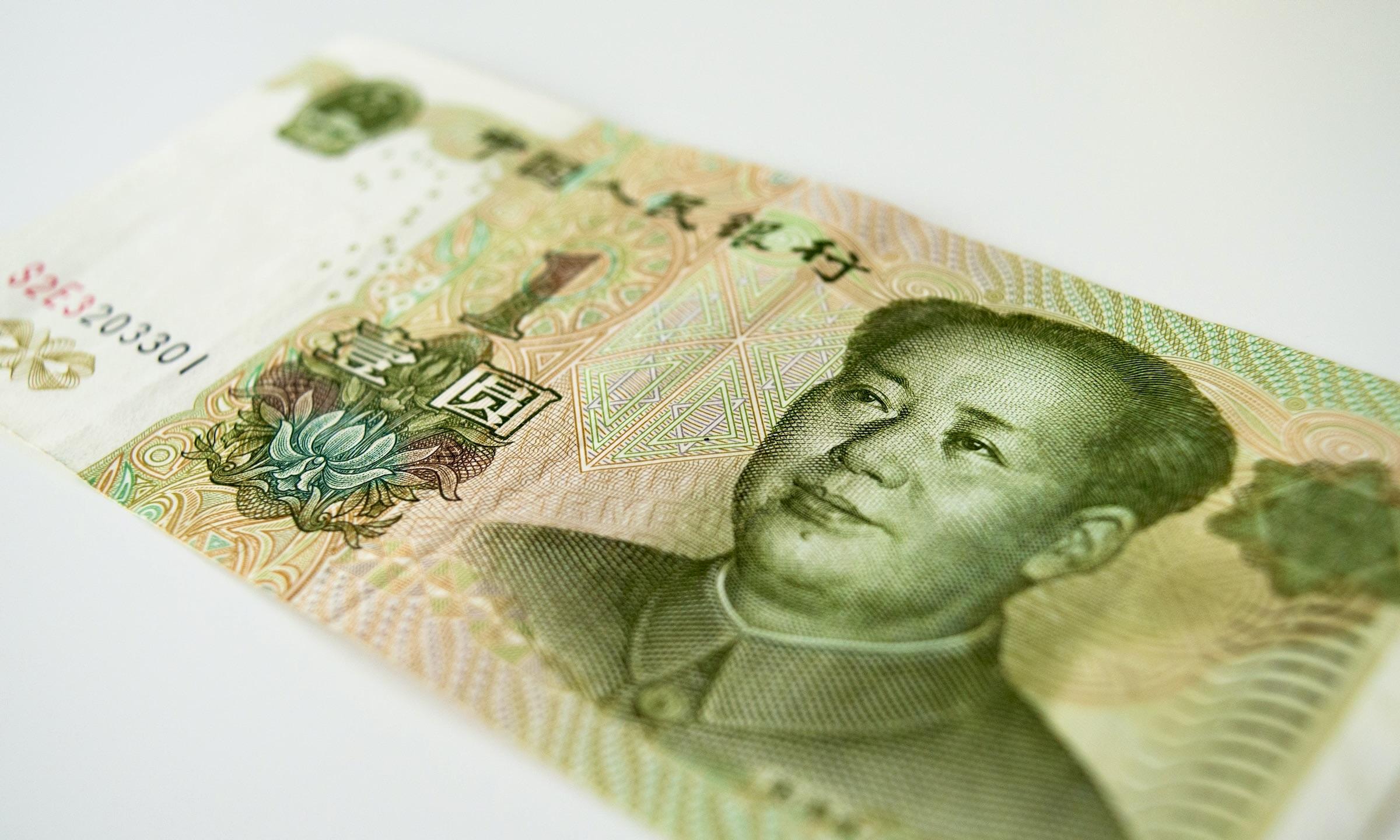
Asian currencies traded in a narrow range on Tuesday as investors remained cautious over escalating conflict in the Middle East, supporting the U.S. dollar while rising oil prices pressured currencies across the region’s energy-importing economies.
The U.S. Dollar Index hovered near 100.99, its strongest level since July 15, as markets balanced concerns over the expanding U.S.-Iran conflict with lingering hopes for a diplomatic solution. Demand for the safe-haven dollar strengthened after U.S. Central Command confirmed a ninth straight night of strikes on Iranian military targets, while Yemen’s Iran-backed Houthis announced a naval blockade on Saudi Arabia, raising fears of disruptions to global energy supplies.
Higher crude oil prices remain a challenge for many Asian economies that rely heavily on imported energy. Rising fuel costs can widen trade deficits, increase inflation, and reduce foreign investment, placing additional pressure on regional currencies. Commodity exporters such as Malaysia are expected to be less affected due to stronger export revenues.
The Japanese yen remained near multi-decade lows, with USD/JPY trading around 162.5 as elevated U.S. Treasury yields continued to favor the dollar. Investors remain concerned that persistent energy-driven inflation could keep the Federal Reserve cautious on interest-rate cuts.
China’s yuan was little changed after Beijing kept its benchmark lending rates unchanged, reinforcing expectations that policymakers will rely on targeted fiscal measures rather than broad monetary stimulus to support economic growth.
South Korea’s won outperformed many regional peers as investors welcomed the country’s recent foreign-exchange liberalization measures. Analysts said easing capital outflow concerns and improving economic fundamentals have strengthened sentiment toward the currency.
Meanwhile, the New Zealand dollar advanced after second-quarter inflation accelerated to 4.1%, exceeding market expectations and increasing the likelihood of an interest rate hike by the Reserve Bank of New Zealand in September.
Elsewhere, the Thai baht, Indian rupee, Indonesian rupiah, and Philippine peso remained under pressure as elevated oil prices weighed on market sentiment. Investors are now watching the Bank Indonesia policy meeting, South Korea’s GDP report, Australia’s employment data, Singapore’s inflation figures, and next week’s Federal Reserve meeting for further direction on Asian currencies and the U.S. dollar.







