


 Japan Revises Economic Blueprint to Reassure Markets on BOJ Independence
  Trump Calls for Review of Federal Judicial Center Climate Science Manual
  European Earnings Season Gains Strength as Barclays Sees Broader Profit Recovery
  RBA Minutes Signal Australia Central Bank Remains Ready to Raise Interest Rates if Inflation Persists
  Japan Core Inflation Seen Rising in June, Strengthening BOJ Rate Hike Outlook
  AI Chip Stocks Face Valuation Pressure as Investors Shift Toward Big Tech and Software
  Oil Prices Set for Weekly Surge as U.S.-Iran Conflict Fuels Supply Fears
  Cuban Dissident Artist Luis Manuel Otero Alcántara Arrives in US After Prison Release
  Asian Currencies Hold Steady as Middle East Tensions Boost US Dollar, Oil Concerns
  Supreme Court Backs Lisa Cook, Defends Federal Reserve Independence Against Trump Firing Attempt
  Central Banks Eye Gold, Reduce Dollar Exposure as AI Adoption Accelerates: OMFIF Survey
  Fed Chair Kevin Warsh Launches Task Forces to Overhaul U.S. Monetary Policy Framework
  Gold Prices Head for Biggest Weekly Loss Since June as Fed Rate Outlook Weighs
  ASEAN Summit Faces Pressure as U.S.-Iran Conflict, South China Sea Tensions Dominate Agenda
  US Service Member Killed During Explosive Disposal of Downed Iranian Drone in Iraq
  Asian Currencies Hold Steady as Fed Outlook Offsets Middle East Tensions


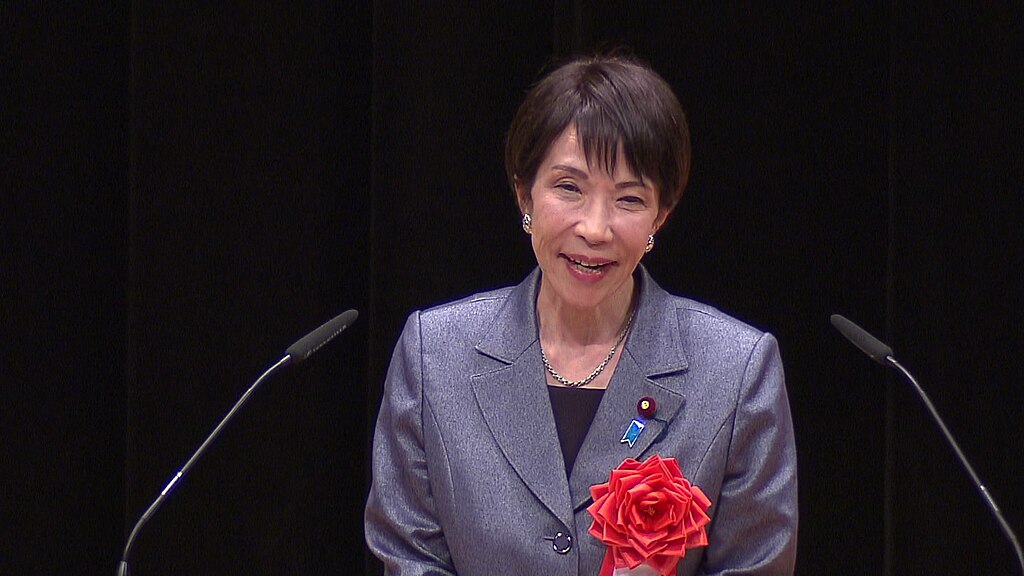
Japanese Prime Minister Sanae Takaichi unveiled her first economic policy blueprint on Tuesday, pledging to increase investment in strategic growth sectors while reaffirming cooperation with the Bank of Japan (BOJ). However, the plan has done little to ease investor concerns over fiscal spending and potential political influence on monetary policy, with Japanese government bond yields remaining near multi-decade highs.
Markets have closely watched Takaichi’s economic agenda amid fears that her administration could encourage higher government spending and pressure the BOJ to delay further interest rate hikes. Those concerns intensified as Japan’s long-term borrowing costs climbed sharply since June, prompting officials to revise the blueprint several times before its approval.
An earlier draft included language supporting monetary policy that would "bolster private demand," but the phrase was removed after bond yields surged. A later version also unsettled investors by appearing to link BOJ policy directly to the government’s growth strategy. The final document clarified that the central bank independently sets monetary policy to achieve stable inflation, while adding a footnote referencing Japan’s legal protections for BOJ independence.
Although the blueprint still calls for coordination between the government and the BOJ, it acknowledges the central bank’s autonomy under Japanese law. The document states that appropriate monetary policy remains essential for maintaining stable price growth and supporting a stronger economy.
Takaichi, a long-time supporter of former Prime Minister Shinzo Abe’s "Abenomics" strategy of aggressive fiscal spending and accommodative monetary policy, pledged to reverse years of underinvestment by encouraging public and private capital into strategic industries. The government expects combined investment to exceed 370 trillion yen (about $2.28 trillion) by fiscal 2040.
The blueprint also shifts away from previous administrations’ emphasis on restoring fiscal discipline, instead prioritizing economic expansion alongside long-term fiscal sustainability.
Since taking office in October, Takaichi has consistently promoted investment-led growth while expressing caution over the BOJ’s rate hikes. Meanwhile, the BOJ, which ended its massive stimulus program in 2024, has continued gradually tightening policy, raising its benchmark rate to 1% in June while signaling that further increases remain possible if economic conditions support them.







