


 Volvo Cars Q2 Profit Falls as Automaker Bets on EX60 EV to Drive Recovery
  Xi Jinping Calls for People-Centered AI Development at WAIC, Expands Global Cooperation
  ASML Raises 2026 Outlook as AI Chip Demand Lifts Q2 Earnings
  Moonshot Launches Kimi K3, China's Largest Open-Source AI Model
  Mikron H1 2026 Sales Fall 5.9% as Automation Weakness Weighs on Profit
  EU to Propose New Rules Limiting Children's Access to Social Media
  SpaceX Stock Falls Below IPO Price as Investors Weigh Losses and Lockup Expiry
  Alibaba Stock Jumps as China Approves Apple Intelligence Powered by Qwen AI
  Jamie Dimon Warns Anthropic's Mythos AI Poses National Security Risks
  NY Times Challenges Trump Administration Subpoenas Over Air Force One Report
  Uber to Acquire Delivery Hero in $14.8 Billion Deal to Expand Global Food Delivery Business
  PayPal Rejects $53 Billion Stripe-Advent Takeover Offer as Too Low: Report
  KAIST, Stanford Develop Self-Dressing Robot for Cleanrooms and Emergency Gear
  SoftBank Corp Partners With Sierra to Expand AI Customer Support Across Japan
  Trump Administration Launches AI Cybersecurity Partnership to Protect Critical Infrastructure
  United Airlines Beats Q2 Earnings, Raises 2026 Profit Outlook Despite Higher Fuel Costs
  DeepSeek Eyes China IPO as AI Startup Seeks $71 Billion Valuation in New Funding Round


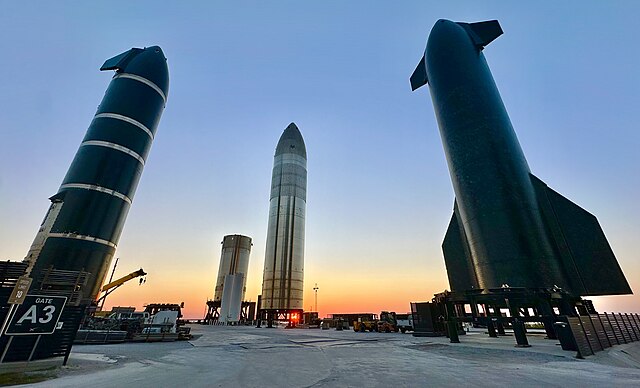
SpaceX briefly recovered some of its losses on Friday after a Wall Street Journal report said the aerospace company is negotiating a multi-billion-dollar agreement with the Pentagon to provide artificial intelligence computing infrastructure. Despite the initial market reaction, the rebound faded, with SpaceX shares ending the session down about 4.4%.
While investors showed only a muted response to the potential defense contract, the report had a much stronger impact on AI cloud-computing companies. CoreWeave shares turned lower after reports that SpaceX is considering offering AI computing capacity at significantly lower prices than existing providers. The prospect of aggressive pricing fueled concerns about increased competition and pressure on profit margins across the AI infrastructure sector.
According to the report, the proposed deal would allocate dedicated data-center capacity for the U.S. Department of Defense, enabling the military to run advanced AI models for national security and operational purposes. Although discussions remain ongoing and no agreement has been finalized, the project would further strengthen SpaceX’s expanding role in U.S. defense technology.
SpaceX already works closely with the Pentagon through rocket launches, satellite communications, and missile-tracking programs. A move into AI cloud infrastructure would deepen that partnership, while also raising questions among some national security experts about the growing reliance on Elon Musk’s companies for critical military capabilities.
The negotiations come as the Pentagon accelerates efforts to secure reliable AI computing resources for agencies such as the National Security Agency and military personnel using artificial intelligence in defense operations. Demand for secure AI infrastructure has intensified as governments increasingly integrate AI into national security strategies.
Competition for government AI contracts is also heating up. Amazon has committed roughly $50 billion to expand cloud capacity aimed at public-sector customers, while Microsoft, Google, and Oracle continue to strengthen their positions as major providers of government cloud services. By pursuing the Pentagon contract and reportedly planning lower-cost AI computing services, SpaceX appears determined to challenge established cloud providers and capture a larger share of the rapidly growing AI infrastructure market.







