


 Eduardo Bolsonaro Granted U.S. Green Card Amid Brazil Legal Battle and Tariff Dispute
  Israeli Airstrike Kills Family of Six in Gaza as Ceasefire Death Toll Mounts
  AI Chip Stocks Face Valuation Pressure as Investors Shift Toward Big Tech and Software
  Moonshot Launches Kimi K3, China's Largest Open-Source AI Model
  Jamie Dimon Warns Anthropic's Mythos AI Poses National Security Risks
  Trump Set to Unveil New Tariffs on Dozens of Countries as Global 10% Duty Nears Expiration
  xAI Sues Man for Allegedly Using Grok to Generate AI Child Abuse Deepfakes
  SpaceX Q2 Earnings on Aug. 4 Set Stage for Historic Insider Share Unlock
  Trump Says Talks With UK PM Andy Burnham Went Well, Signals Meeting Soon
  Trump-Aligned MAGA Inc Builds $400 Million War Chest Ahead of Midterm Elections
  Trump Calls for Review of Federal Judicial Center Climate Science Manual
  Morgan Stanley Downgrades Adobe, Workday as AI Transition Raises Growth Concerns
  Nvidia Partners With Fanuc and Yaskawa to Accelerate AI Robotics in Japan
  Samsung Electronics America to Cut 739 New Jersey Jobs as Texas Headquarters Move Advances
  Hyundai Takes Full Control of Boston Dynamics to Accelerate Humanoid Robot and AI Strategy
  Mikron H1 2026 Sales Fall 5.9% as Automation Weakness Weighs on Profit
  Apple Intelligence China Approval Lifts Alibaba and Baidu Shares


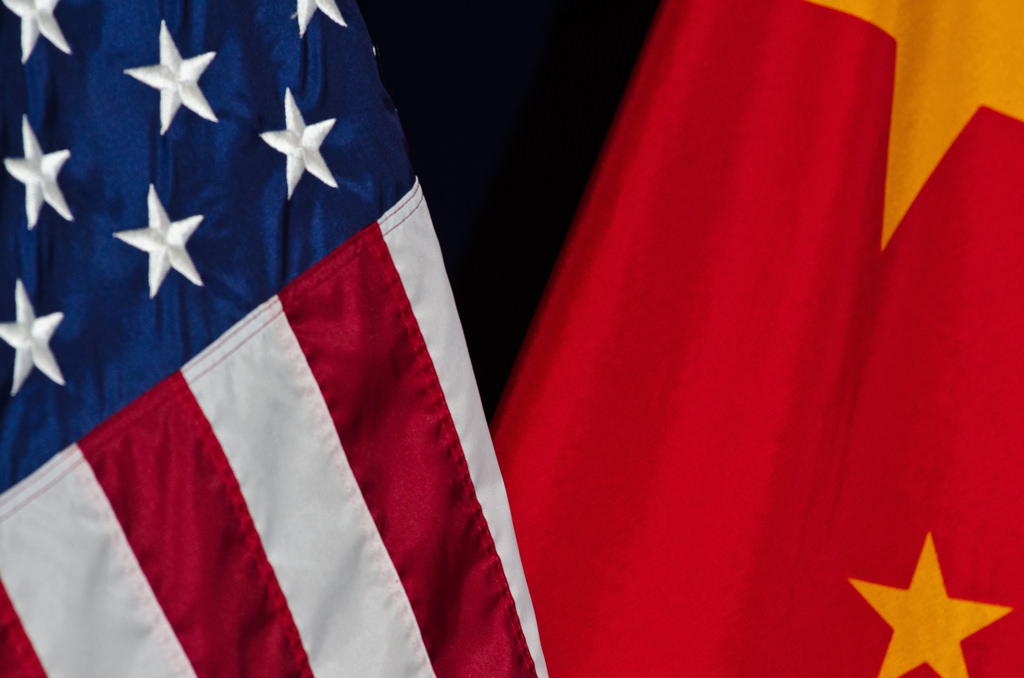
The United States and China are preparing to hold high-level artificial intelligence (AI) talks in September, marking the first official AI dialogue between the two countries under President Donald Trump’s administration. According to sources familiar with the plans, the discussions are expected to take place before Chinese President Xi Jinping’s scheduled visit to the United States on September 24, although the final dates have not yet been confirmed.
The planned meeting is one of the key outcomes of the Trump-Xi summit held in May and comes as both nations seek to address the growing risks posed by increasingly advanced AI technologies. Washington and Beijing are racing to develop powerful frontier AI models while also weighing how to regulate systems that could enhance military capabilities, enable sophisticated cyberattacks, or disrupt global labor markets.
Sources said U.S. Treasury Secretary Scott Bessent is expected to lead the American delegation. The identities of other participants, the venue, and the agenda remain under discussion as preparations continue. Neither the White House nor Chinese government agencies have publicly commented on the upcoming talks.
The dialogue follows previous AI discussions held during the Biden administration, when U.S. and Chinese officials agreed that humans—not AI—should retain control over nuclear weapons decisions. However, the September meeting will be the first formal AI engagement between the two governments under Trump.
AI regulation is emerging as a key point of competition. The U.S. has already tightened export controls on advanced AI chips destined for China and is reportedly considering restrictions on the use of Chinese open-weight AI models by American companies. Meanwhile, Chinese regulators are evaluating limits on overseas access to some of the country’s most advanced AI systems due to security concerns.
Beijing is expected to focus discussions on the future release of advanced AI models, U.S. export and access restrictions, and oversight of frontier AI technologies. Analysts believe the first round of talks will primarily establish common definitions and basic rules rather than deliver major policy breakthroughs.
Experts say the meeting reflects a growing recognition by both governments that AI governance requires direct engagement, even as strategic competition between the world's two largest economies continues to intensify.







