


 Trump to Visit China in May for High-Stakes Xi Summit Amid Iran War
  Iran Demands Lebanon Be Part of Any Ceasefire Deal With Israel and the U.S.
  Trump Seeks Quick End to U.S.-Iran Conflict Amid Ongoing Middle East Tensions
  Taiwan Arms Deal on Track Despite U.S.-China Summit Uncertainty
  Trump's Overhaul of American History: Museums, Monuments, and Cultural Institutions
  U.S.-Iran Peace Talks Gain Momentum Amid Ongoing Conflict
  Pakistan's Diplomatic Rise: Mediating U.S.-Iran Peace Talks
  G7 Foreign Ministers Gather in France Amid Global Tensions and U.S. Policy Uncertainty
  Trump Administration Settles Lawsuit Barring Federal Agencies from Pressuring Social Media Censorship
  Trump Says Iran Offered Major Energy Concession Amid Ongoing Negotiations
  Iran-U.S. Negotiations: Tehran Reviews American Peace Proposal Amid Ongoing Gulf Conflict
  Denmark Election 2026: Frederiksen Eyes Third Term Amid Trump-Greenland Tensions
  Israel Eyes Litani River as New Border Amid Escalating Lebanon Offensive
  Trump Administration Opens Two New Investigations Into Harvard Over Discrimination and Antisemitism
  WTO Reform Talks Begin in Cameroon Amid Global Trade Tensions
  FEMA Reinstates $1 Billion Disaster Prevention Grant Program After Court Order
  Iran-Israel Missile Strikes Continue Amid Mixed Signals on U.S.-Iran Diplomacy


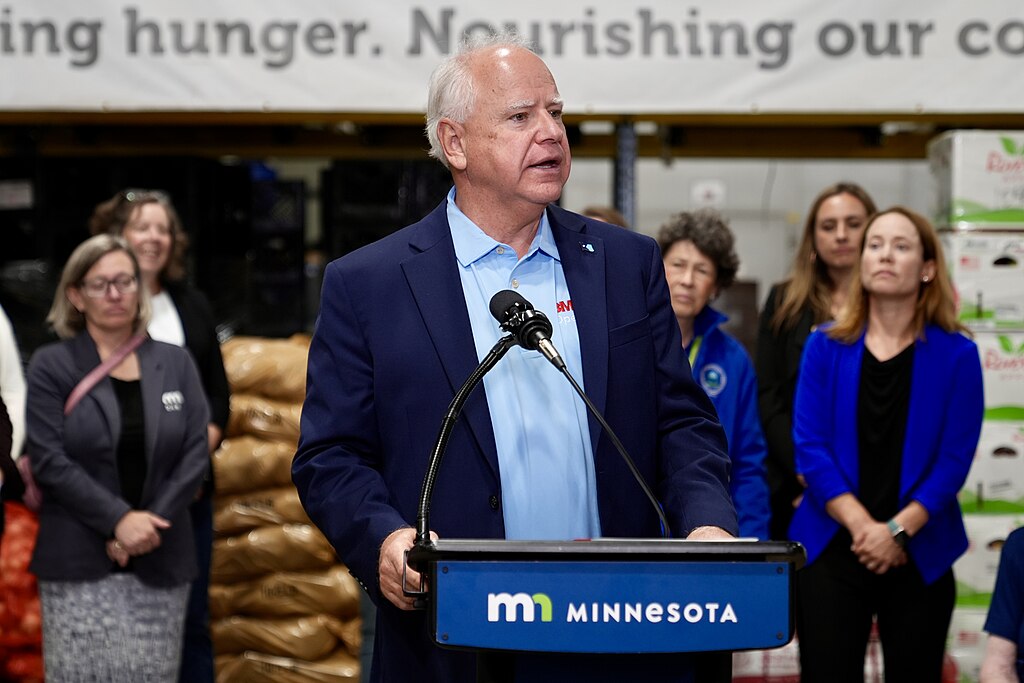
Minnesota Governor Tim Walz is facing intense scrutiny over his defense of Liz Cheney, the former U.S. representative from Wyoming and a leading contender for a top position in Vice President Kamala Harris's potential cabinet. Critics have labeled Cheney as a "war hawk" and warned that her involvement in a Harris administration could lead to increased global conflict — even invoking fears of World War III.
Walz, however, has pushed back hard against these accusations, firmly defending Cheney's track record and insisting that her policies are aligned with America's best interests. In a recent statement, Walz dismissed the concerns over Cheney's military and foreign policy stances, saying, “Liz Cheney is committed to America’s security and will not lead us into World War III.”
Cheney’s Hawkish Reputation Under Fire
The backlash surrounding Cheney stems from her firm stance on military intervention and her reputation as a staunch advocate for U.S. involvement in foreign conflicts. Cheney, the daughter of former Vice President Dick Cheney, has long been associated with more aggressive U.S. military policies, a reputation that earned her the "war hawk" label among critics.
In a potential Kamala Harris administration, Cheney is considered a leading pick for a key cabinet role, likely in foreign policy or defense. The mere suggestion of her appointment has ignited concerns among progressive and anti-war groups who argue that her hawkish leanings could steer the U.S. into deeper international conflicts, with some even predicting that her policies could lead to World War III.
Tim Walz Defends Cheney’s Qualifications
Despite the heated opposition, Walz remains steadfast in his support of Cheney. The Minnesota governor, known for his more centrist approach within the Democratic Party, emphasized that Cheney’s experience makes her a valuable asset in any future administration.
“Cheney’s commitment to national security is undeniable, and her voice would be crucial in ensuring that America remains safe and respected on the global stage,” Walz said in a press conference. “We need leaders who understand the complexities of foreign policy, and Liz Cheney is one of the best.”
However, Walz’s defense has sparked further criticism from the progressive wing of the Democratic Party, which has been highly critical of Cheney’s past support for U.S. military involvement in the Middle East, including her backing of the Iraq War.
World War III Concerns Fuel the Debate
As Cheney’s name continues to circulate as a possible cabinet pick, her opponents have not hesitated to raise alarm over the potential for escalating international tensions under her leadership. Some have warned that her hardline approach to foreign adversaries like Russia and China could bring the U.S. closer to a large-scale global conflict.
“Cheney’s track record speaks for itself,” said one political analyst critical of her potential role in a Harris administration. “She’s always been in favor of military solutions, and that’s exactly what we don’t need right now. The last thing the world needs is another war.”
Walz dismissed these fears as “overblown,” claiming that Cheney’s experience is being unfairly mischaracterized. “She’s someone who’s prepared to make tough decisions, but that doesn’t mean she’s going to recklessly push us toward war.”
The Progressive Backlash
Despite Walz’s efforts to defend Cheney, many progressives remain unconvinced. Activists have taken to social media to express their concerns, with some going as far as to say that Cheney’s inclusion in a Harris administration would be a betrayal of the Democratic Party’s anti-war base.
“Tim Walz and Kamala Harris need to understand that Liz Cheney’s policies are not what we voted for,” one activist tweeted. “If they think appointing a war hawk is the answer, they’re in for a rude awakening.”
As the 2024 election approaches, Cheney’s possible role in a Harris cabinet will likely remain a contentious issue. While Walz and others continue to praise her experience and commitment to national security, her critics are unlikely to be swayed, especially with the looming specter of more military conflicts on the horizon.







