


 Sheinbaum Says No One Is Above the Law After Abuse Video of Ex-Pemex Chief Emerges
  Russian Attacks on Dnipro, Zaporizhzhia, and Kharkiv Kill 10 as Ukraine Vows Response
  Iran Skips U.S. Technical Talks Over Unmet MoU Conditions and Frozen Funds Dispute
  Australia, Vanuatu Sign Security Pact Amid Pacific Influence Competition
  Ukraine Strikes Russian Titan-Barrikady Plant With Long-Range FP-5 Flamingo Missile
  Canada Grants C$7 Million to Greenland Molybdenum Mine to Strengthen Critical Minerals Supply
  US Strikes Iran Again After Strait of Hormuz Tanker Attack Escalates Ceasefire Tensions
  Russian Attacks Kill Four in Ukraine as Zaporizhzhia and Kharkiv Come Under Fire
  China Expands Export Controls, Adds 20 Japanese Companies to Restricted List
  Trump Threatens 100% Tariffs on Countries Imposing Digital Services Taxes on U.S. Tech Firms
  Taiwan Coast Guard Officer Finds Strength in Faith as China Increases Pressure in Taiwan Strait
  Trump Signs Memorandum Backing Americans’ Right to Repair Their Own Vehicles
  Israeli Airstrike Kills Three in Central Gaza Despite Ceasefire
  Supreme Court Backs Lisa Cook, Defends Federal Reserve Independence Against Trump Firing Attempt
  Andy Burnham Sets Out Vision to Decentralize Britain as Labour Leadership Race Begins
  Javier Milei Cabinet Chief Manuel Adorni Resigns Amid Spending Scandal Investigation
  Serbia Protests Continue as Thousands Rally Despite Vucic’s Resignation Plan


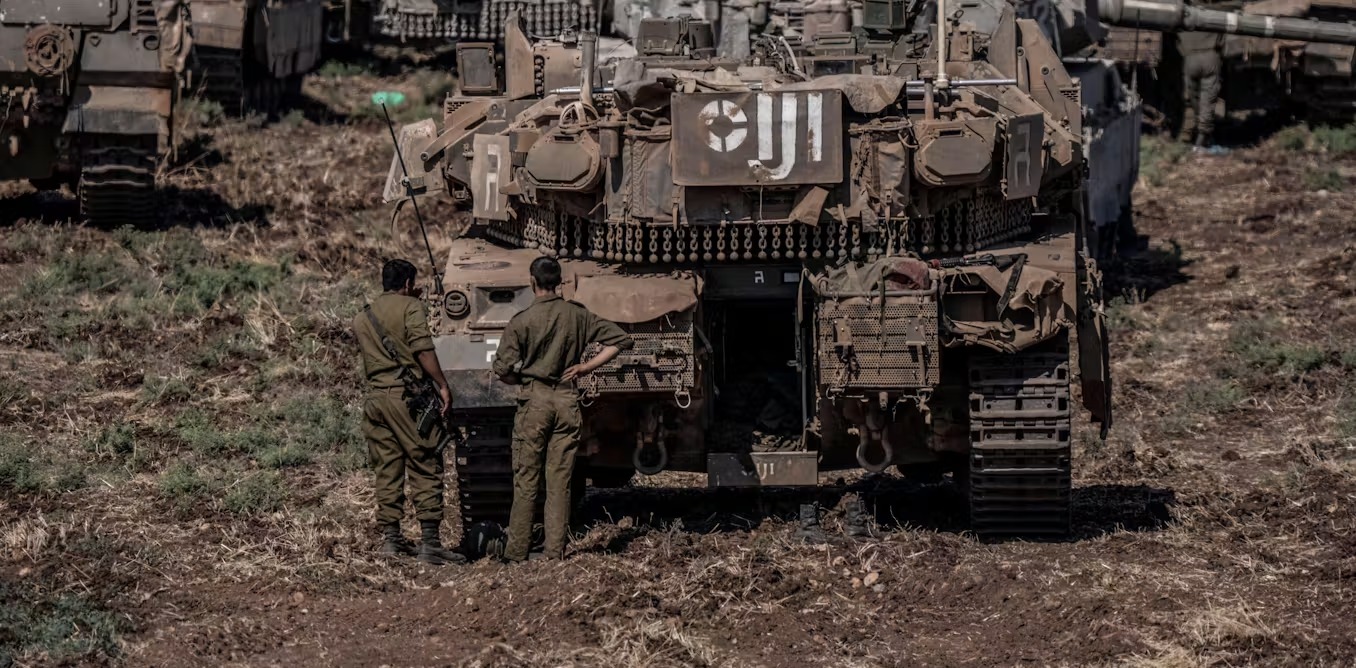
Israel's Finance Minister Bezalel Smotrich openly called for redrawing Israel's northern border to extend to Lebanon's Litani River, marking one of the most direct territorial claims made by a senior Israeli official since the conflict intensified. Speaking on Israeli radio, Smotrich stated that the military campaign must conclude with a fundamentally different reality — one that includes a permanent shift in Israel's borders.
The remarks came as Israeli forces continued their aggressive military campaign across southern Lebanon, targeting bridges, demolishing homes near the border, and ordering civilians to evacuate all areas south of the Litani River. Lebanon was drawn into the broader regional conflict on March 2, when Hezbollah launched missile attacks into Israeli territory.
Lebanese authorities report that Israeli air and ground operations have claimed more than 1,000 lives and displaced over a million people from their homes. International criticism has grown, with the United Nations human rights chief condemning Israel's widespread evacuation orders and strikes on civilian infrastructure, actions generally prohibited under international law.
Israel maintains that its operations are focused on dismantling Hezbollah strongholds and protecting northern Israeli communities from ongoing rocket fire. Israeli troops operating near the border captured several Hezbollah fighters south of the Litani River, according to military statements. Separately, an Israeli strike in Beirut killed a senior commander from Iran's Revolutionary Guards Quds Force.
Meanwhile, access to southern Lebanon is deteriorating rapidly. Israeli forces destroyed multiple crossings over the Litani River over consecutive days, severely limiting the movement of both civilians and aid. Residents of border towns report acute shortages of water, electricity, and fuel, raising serious humanitarian concerns about what lies ahead if supply routes are completely severed.
Lebanon's government, which has banned Hezbollah's military operations within its borders, has expressed willingness to engage in direct negotiations with Israel, while hoping international pressure can bring the conflict to an end.







