


 Trump Announces September Overhaul of Washington’s East Potomac Golf Links
  Andy Burnham Sets Out Vision to Decentralize Britain as Labour Leadership Race Begins
  Trump Threatens ABC News Lawsuit Over Lincoln Memorial Reflecting Pool Coverage
  Johns Hopkins University Lays Off 110 Employees as Federal Research Funding Declines
  Fortescue Faces Class Action Over Sexual Harassment Claims at Australian Mining Sites
  Australia, Vanuatu Sign Security Pact Amid Pacific Influence Competition
  US Seizes Nearly 400 Illegal World Cup Streaming Domains in Global Anti-Piracy Crackdown
  Russian Attacks Kill Four in Ukraine as Zaporizhzhia and Kharkiv Come Under Fire
  US Supreme Court Strikes Down Hawaii Gun Carry Law on Private Property
  Apple Challenges India Antitrust Probe, Says CCI Copied Rivals’ Claims in App Store Case
  Mexico, U.S. Launch Sterile Fly Facility to Combat New World Screwworm Outbreak
  NHTSA Investigates Fatal Tesla Model 3 Crash in Texas Amid Ongoing Autopilot and FSD Safety Scrutiny
  Serbia President Aleksandar Vucic to Resign, Calls Early Elections After Months of Protests
  Despite its best efforts, Iran won’t be able to toll the Strait of Hormuz. Here’s why
  Pedro Sanchez’s Wife Ordered to Stand Trial in Spain Corruption Case
  Trump Administration Delays DeepSeek and CXMT Trade Blacklist Designations Amid U.S.-China Tensions
  Trump Suspends Some Morocco Fertilizer Tariffs to Ease U.S. Supply Shortage


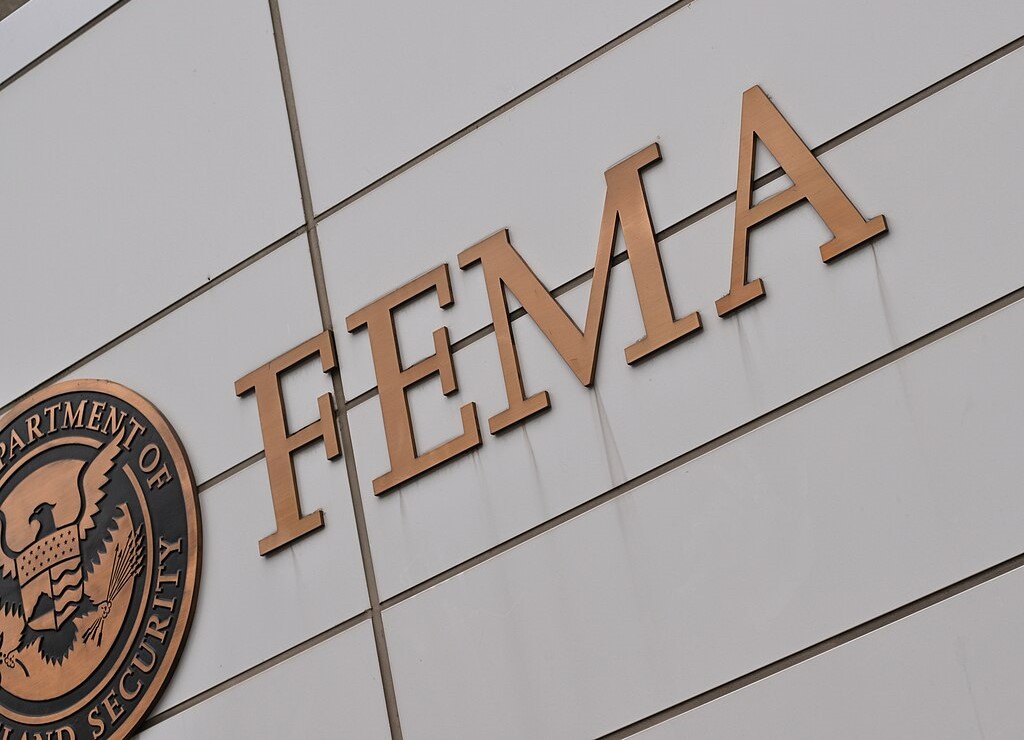
The Federal Emergency Management Agency has announced the resumption of a key disaster prevention initiative after facing legal challenges that forced the reversal of its earlier cancellation. The agency is once again accepting applications for the Building Resilient Infrastructure and Communities (BRIC) program, making $1 billion in federal funding available to eligible applicants.
States, local governments, territories, and Tribal Nations can now apply for grants aimed at reducing the impact of natural disasters such as wildfires, floods, earthquakes, and hurricanes. The program focuses on proactive investment in infrastructure and community resilience before disasters strike, rather than responding to damage after the fact.
FEMA's reinstatement of the BRIC program follows two significant court rulings. U.S. District Judge Richard Stearns determined in December that the Trump administration had unlawfully terminated the program and subsequently issued a follow-up order this month directing FEMA to take further steps toward fully restoring it. The agency complied by reopening the funding application process.
The program's original cancellation came in April of last year when FEMA characterized it as wasteful, ineffective, and politically motivated. Critics, including several Democratic lawmakers, pushed back strongly against that decision, arguing the administration was deliberately delaying and withholding disaster mitigation grants from communities in need.
Operating under the U.S. Department of Homeland Security, FEMA carries a broad mandate to support communities before, during, and after disasters. The agency coordinates emergency personnel, equipment, and supplies in response to large-scale natural disasters. However, it has undergone considerable workforce reductions since President Trump began his second term in January 2025, raising concerns about its long-term operational capacity.
The revival of the BRIC program marks a notable shift following sustained judicial pressure, offering renewed hope for communities seeking federal support in building long-term disaster resilience.







