


 Cogent Biosciences Soars 120% on Breakthrough Phase 3 Results for Bezuclastinib in GIST Treatment
  NASA and SpaceX Target Crew-11 Undocking From ISS Amid Medical Concern
  China vs. NASA: The New Moon Race and What's at Stake by 2030
  FDA Pilot Program Eases Rules for Nicotine Pouch Makers
  Trump Administration Releases New UFO Files and Apollo Mission Records
  Trump Signs Executive Order to Boost AI Research in Childhood Cancer
  SpaceX Delays Starship V3 Launch Ahead of Potential Record IPO
  Tabletop particle accelerator could transform medicine and materials science
  Neuralink Plans High-Volume Brain Implant Production and Fully Automated Surgery by 2026
  Is space worth the cost? Accounting experts say its value can’t be found in spreadsheets


 Add as a preferred source on Google
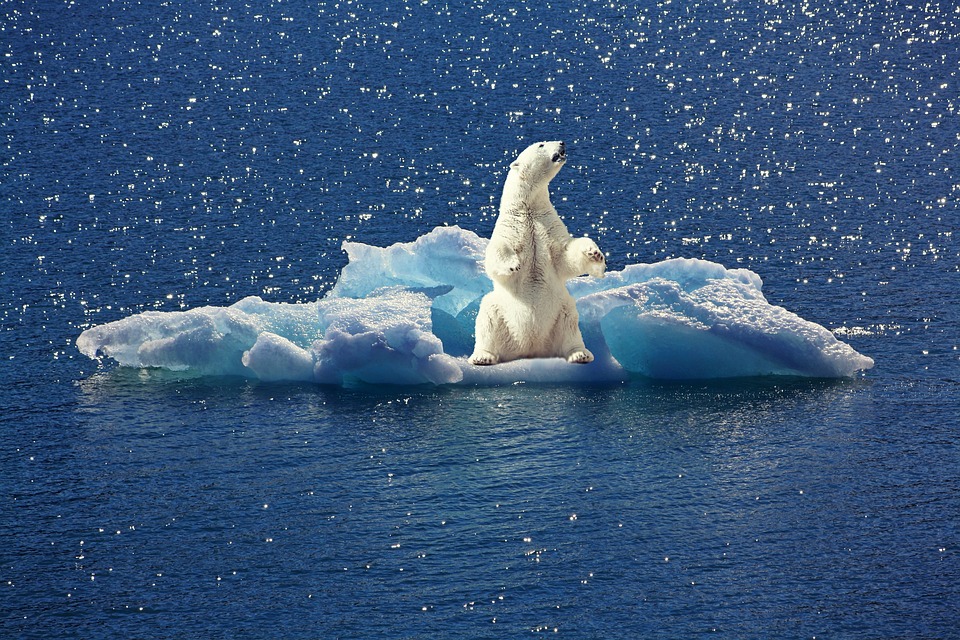
As the world scrambles to combat the coronavirus pandemic since its outbreak in 2019, the challenge of trying to alleviate climate change remains. Scientists warn of a very dangerous possibility that the North Pole may be ice-free come the summer by 2050.
Express reports that research done by 21 institutes analyzed more than 40 climate models to determine what the temperatures in the Arctic would be like over time. The research done by these institutes all came to the same conclusion that the icy Arctic region may be completely thawed out in a span of 30 years should the climate change continue.
According to Ed Blockley of the UK Met Office’s polar climate program, “Alarmingly, the models repeatedly show the potential of ice-free summers in the Arctic Ocean before 2050, almost irrespective of the measures taken to mitigate the effects of climate change. The signal is there in all possible futures. This was unexpected and extremely worrying.”
Mr. Blockley continued to warn that the consequences of this scenario happening would be catastrophic, especially for the wildlife that thrives and survives in the freezing temperatures.
The University of Hamburg Professor Dirk Notz also weighed in on this possibility coming true over the coming years. Professor Notz explained that if the effort of keeping global warming below two degrees Celsius, the ice in the Arctic sea will still eventually disappear in the summer even before 2050.
The temperatures in the world have increasingly grown worrying since 1975. Scientists have stated that the temperatures have gone up by 0.15 to 0.20 degrees Celsius per decade. This has a concerning effect on the polar ice caps, which have been melting over time, resulting in the rising sea levels.
In other related news, scientists in Antarctica made an unusual discovery. The researchers found fossilized remains that date as far back as 90 million years ago. Upon further examination, they found that the world all those years ago was a lot warmer than scientists believed. Summers, in this part of the world, went up as high as 20 degrees Celsius. Their findings also suggest that Antarctica once had a rainforest







