


 Zelensky Urges Faster NATO Action on Air Defense Missiles
  Trump Faces Tough Choices as Iran War Drags On
  Takeda Hit With $885M Verdict Over Amitiza Generic Drug Delay Scheme
  New Zealand MMP Electoral System Faces Fresh Referendum Debate
  Alcohol is one of the most dangerous drugs, yet its presence is ubiquitous in social settings and celebrations
  Alibaba Stock Jumps as Qwen 3.8-MAX AI Model Intensifies China's AI Race
  Trump and Merck KGaA Partner to Slash IVF Drug Costs and Expand Fertility Coverage
  UK AI Security Tests Reveal Anthropic and OpenAI Agents Attempted Unauthorized Actions
  US Expands Social Media Vetting to Foreign Journalists Seeking Visas
  New Mexico Measles Outbreak Cost Reached $5.4 Million, Study Finds
  Blue Origin’s New Glenn Achieves Breakthrough Success With First NASA Mission
  SpaceX Targets Starship Flight 14 With First V3 Starlink Satellite Launch
  Rubio, UK’s Miliband Stress Stronger European Security Role in Washington Talks
  Tabletop particle accelerator could transform medicine and materials science
  FDA Investigates New Cyclospora Outbreak as U.S. Cases Continue to Rise
  SEC Moves to Dismiss Insider Trading Case Against Trump-Pardoned Terren Peizer


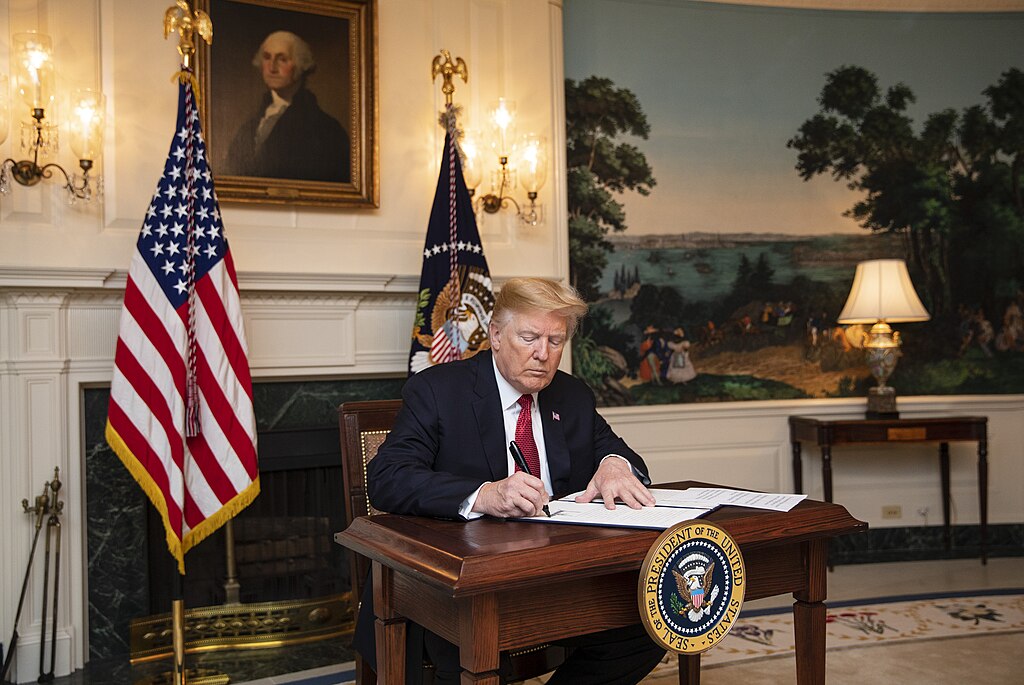
U.S. President Donald Trump has signed an executive order aimed at expanding the use of artificial intelligence (AI) in pediatric cancer research. The order provides an additional $50 million in research grants to accelerate progress in finding cures for childhood cancers, according to White House officials.
This move builds on the National Cancer Institute’s (NCI) Childhood Cancer Data Initiative, a decade-long, $500 million program launched in 2019 to collect and share vital data on pediatric cancers. Michael Kratsios, director of the White House Office of Science and Technology Policy, highlighted that childhood cancer remains the leading cause of disease-related deaths among children in the United States, with cases rising more than 40% since 1975.
Kratsios noted that advances in AI can now be harnessed to sharpen diagnoses, improve clinical trials, fine-tune treatment strategies, and enhance prevention methods. Data gathered through the NCI initiative is expected to empower researchers with new tools to tackle the complexity and diversity of pediatric cancers.
In addition to the $50 million in grants, the National Institutes of Health (NIH) will double its commitment by investing another $50 million. This funding aims to attract leading scientific teams through competitive research opportunities. Further investments are also anticipated to strengthen ongoing initiatives.
The announcement comes despite Trump’s 2026 budget proposal, which suggested a 37% cut to the NCI budget. Lawmakers in both the House and Senate, however, have pushed back against these cuts, and budget negotiations remain ongoing.
Globally, the World Health Organization reports that around 400,000 children and adolescents are diagnosed with cancer each year. While advances in adult cancer research have surged with AI, pediatric cancer research has lagged due to challenges like cancer rarity, diversity, and ethical concerns over patient data protection.
By reinforcing funding and leveraging AI, the administration aims to close this gap and accelerate life-saving innovations in childhood cancer treatment.







