


 FDA Rejects Review of Moderna’s Flu Vaccine Application, Shares Slide
  Hantavirus Cruise Ship Outbreak Triggers Global Health Alert
  FEMA Reinstates Employees After Dissent Letter, Signaling Shift in Workforce Stability
  US Adds European Union to Section 301 Watchlist Amid Trade Concerns
  AstraZeneca Q1 2026 Earnings Surge on Strong Oncology and Rare Disease Drug Sales
  Medicare to Cover GLP-1 Weight-Loss and Diabetes Drugs Starting July 1
  U.S. Fast-Tracks $8.6 Billion Arms Sales to Middle East Allies Amid Rising Tensions
  Judge Rules Use of Military Lawyers in Civilian Prosecutions Is Lawful
  CDC Monitors U.S. Travelers After Hantavirus Outbreak on Luxury Cruise Ship
  Is dark chocolate healthier than milk chocolate? 2 dietitians explain
  Organon Stock Surges After Reports of $13 Billion Buyout Bid by Sun Pharma
  U.S. Sanctions Former DR Congo President Joseph Kabila Over Rebel Support
  China Banks Halt New Loans to Sanctioned Refineries Amid U.S.-Iran Oil Crackdown
  U.S. Officials Express Optimism Over New CDC Director Selection Amid Vaccine Policy Turmoil
  Astronomers have discovered another puzzling interstellar object − this third one is big, bright and fast
  Trump and Merck KGaA Partner to Slash IVF Drug Costs and Expand Fertility Coverage


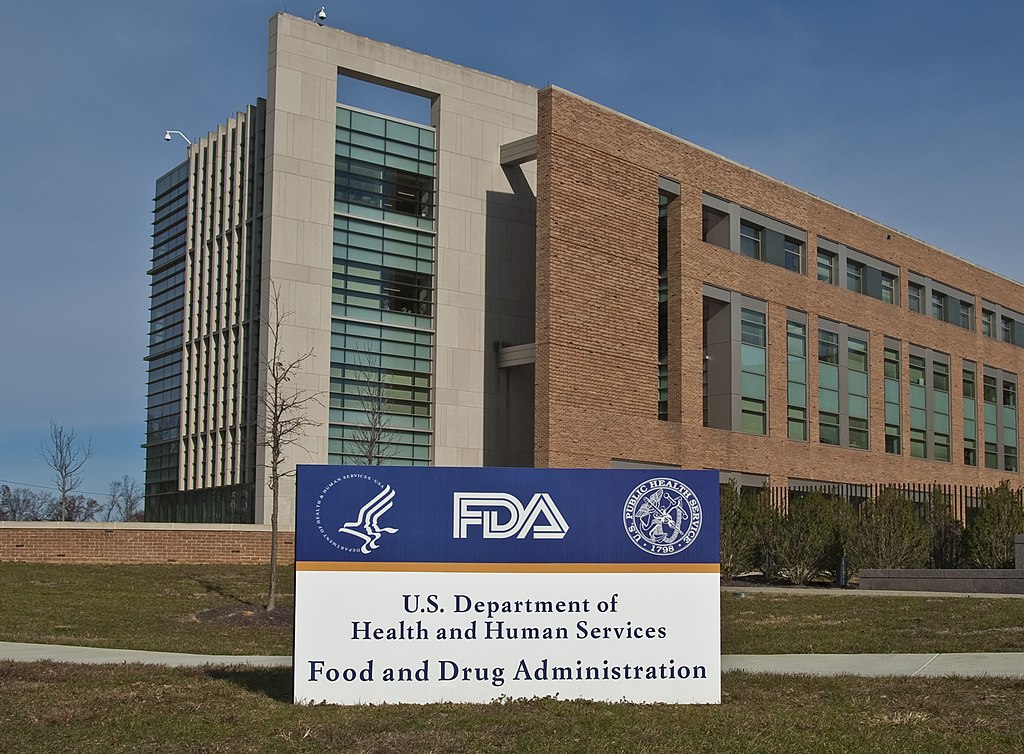
The U.S. Food and Drug Administration (FDA) has removed the Risk Evaluation and Mitigation Strategies (REMS) requirement for all currently approved CAR-T cell therapies, a move expected to improve patient access to these advanced cancer treatments.
CAR-T cell therapy, a form of gene therapy used to treat blood cancers such as leukemia, lymphoma, and multiple myeloma, involves reprogramming a patient’s T-cells to attack cancer cells. Despite serious side effects, including cytokine release syndrome and neurological toxicities, the FDA concluded that existing labeling and boxed warnings are sufficient to communicate these risks without the need for REMS.
This regulatory update affects therapies including Bristol-Myers Squibb’s Breyanzi and Abecma (developed with 2seventy bio), Johnson & Johnson’s Carvykti (with Legend Biotech), Novartis’ Kymriah, and Gilead’s Tecartus and Yescarta. Gilead confirmed label updates to reflect the FDA’s decision, stating it would ease the burden on healthcare providers and expand access to potentially curative treatments.
Bristol-Myers Squibb echoed this sentiment, emphasizing its commitment to breaking down barriers to CAR-T access. These therapies have been a breakthrough in oncology, offering new hope for patients with few alternatives.
In January 2024, the FDA had mandated additional safety warnings for CAR-T drugs following reports of secondary T-cell malignancies, including leukemia and lymphoma. Despite these risks, the agency now believes they can be effectively managed through existing safety measures.
With this change, the FDA aims to streamline access to CAR-T therapies while maintaining patient safety, reinforcing its support for innovation in personalized cancer treatment. This decision marks a significant regulatory shift that could accelerate the adoption of CAR-T across oncology care.







