


 Najib Razak Granted House Arrest Until 2028
  Bessent Presses Japan on Fiscal Policy as Yen Struggles
  UN Allows Mahmoud Abbas Video Address After US Visa Denial
  Mexico Pushes for US Trade Deal Before Midterms
  Trump Bans CNN, MS NOW and Politico From White House
  Japan, U.S. Discuss $19 Billion GlobalFoundries Chip Plant
  Yemen Fighting Threatens Red Sea Oil Routes
  FBI, Coast Guard Board Ships After Cyberattacks
  Germany’s Carsten Breuer Elected Next NATO Military Committee Chair
  Turkey Ready to Aid Saudi Arabia Under Defence Pact as Houthi Attacks Escalate
  Paris Talks Focus on Lebanon Army Needs as UNIFIL Exit Looms
  Russian Attack on Balakliia Kills Two, Injures Two
  Kim Yo Jong Warns of Stronger Response to US-Led Military Drills
  Houthis Claim Missile, Drone Attacks on Riyadh and Saudi Oil Hub
  Canada Eyes India Trade Deal by Year-End
  Israeli Strikes Across Gaza Leave at Least Three Dead


 Add as a preferred source on Google
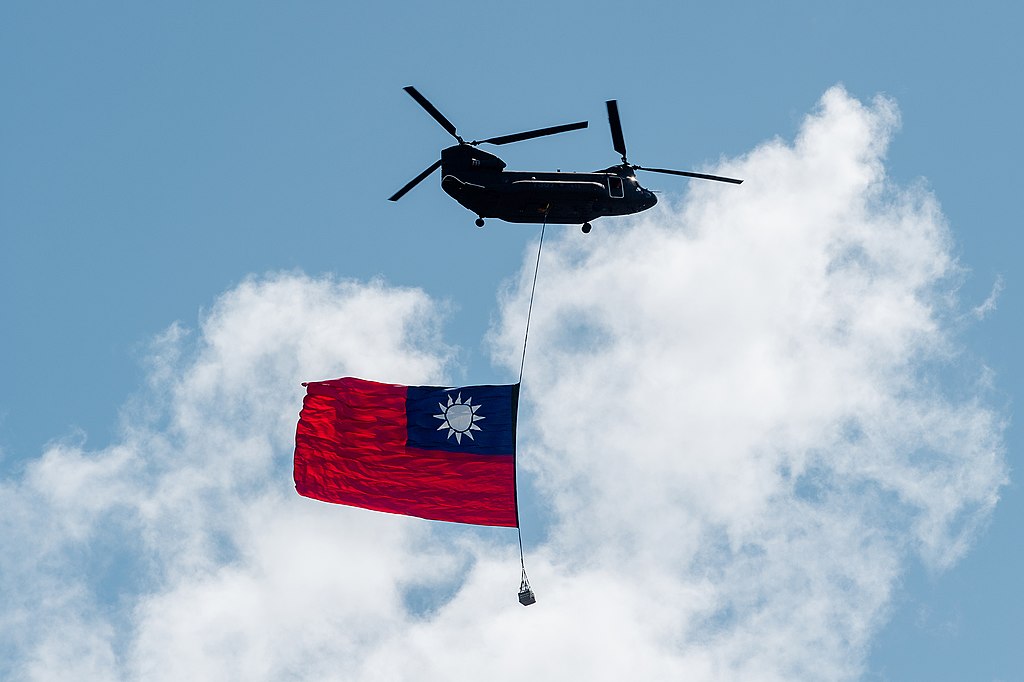
Taiwan’s military cooperation with the United States is stronger than many people realize, Defence Minister Wellington Koo said, highlighting expanding exchanges with the U.S. Pacific Command as Taipei works to strengthen its defense capabilities amid growing pressure from China.
Speaking to a small group of reporters on Friday, Koo said Taiwan continues to deepen military cooperation with the U.S. Pacific Command through exchanges at multiple levels. He noted that these efforts have significantly improved the island’s defensive readiness and combat capabilities.
Koo emphasized that the U.S. Pacific Command plays a central role in maintaining stability across the Indo-Pacific region and views Taiwan as a critical part of the first island chain, a strategic line stretching from Japan through Taiwan to the Philippines.
“The cooperation between Taiwan and the United States may be much closer than many people imagine,” Koo said, expressing appreciation for Washington’s continued support.
The United States remains Taiwan’s most important international partner and primary arms supplier, despite the absence of formal diplomatic relations. Beijing, which claims Taiwan as its own territory despite Taipei’s rejection of that claim, has repeatedly criticized military cooperation between Washington and Taipei.
China has increased military activity around Taiwan in recent years, including expanded coast guard operations along the island’s Pacific coastline. Taiwan considers the area strategically important because it could serve as a key route for wartime supplies from allies. In response, Taipei has intensified military exercises, including drills simulating a potential Chinese blockade.
Koo argued that any attempt by China to impose a maritime blockade on Taiwan would carry significant economic and political risks for Beijing. He said China’s heavy reliance on international trade and global shipping routes means such a move could severely damage its own economy while triggering strong international sanctions.
The defense minister also suggested Chinese President Xi Jinping would need to consider the domestic political consequences of any blockade, warning that prolonged economic disruption could challenge both the stability of China’s government and Xi’s leadership. According to Koo, these risks make any blockade a highly complex and costly option for Beijing.







