


 Canada Eyes India Trade Deal by Year-End
  France Urges Faster AI Push Despite Safety Risks
  Cyber attacks? Bioterrorism? To ‘Pace the Frontier’ of AI effectively, we must improve our anticipatory thinking
  Trip.com Shares Rise as Q2 Earnings Beat Estimates
  White House Bars CNN, MS NOW and Politico Reporters
  US Court Approves airBaltic Chapter 11 Restructuring
  Petrobras Joins Brazil Diesel Subsidy Program
  Russian Attack on Balakliia Kills Two, Injures Two
  Synthetic data could ease people’s concerns about privacy breaches. But who gets to create it?
  Apple Pay Set for India Launch With Axis Bank
  US, Denmark and Greenland Reach Deal to Expand American Military Presence
  SoftBank Shares Jump 8% as SB Energy IPO Optimism Builds
  China’s robots can run faster than Usain Bolt – now they are being prepared for war
  Nvidia CEO Jensen Huang Expected at Trump-Xi State Dinner
  Databricks to Invest $350 Million in Singapore AI Expansion
  Trump Rejects Calls for Tougher AI Regulation
  South Korea’s Lee Rules Out Military Role in Middle East War


 Add as a preferred source on Google
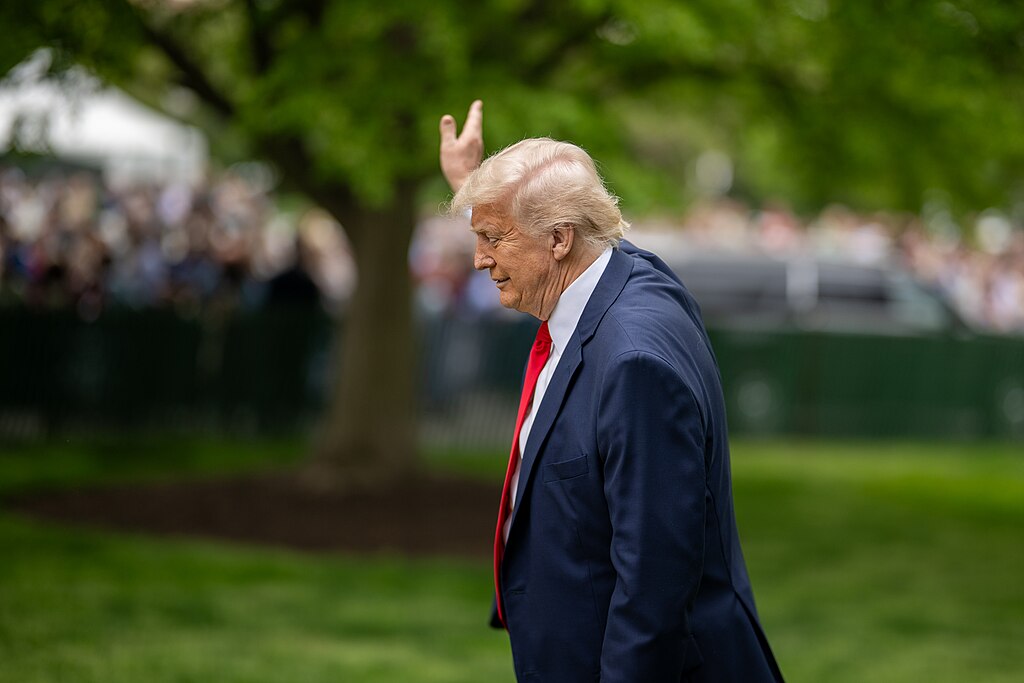
U.S. President Donald Trump said Saturday that he plans to create a federal “AI Force” and appoint an artificial intelligence “czar,” outlining an effort to accelerate U.S. AI development while using existing laws to address misconduct.
In posts on Truth Social, Trump rejected criticism of artificial intelligence and data center expansion, describing the opposition as an attempt to restrict American innovation. He said his administration would support the AI industry rather than impose measures that could slow its growth.
“We will not in any way hinder or stifle the Growth of this incredible Industry,” Trump wrote, adding that existing criminal and civil laws could be used against wrongdoing.
The announcement comes as prominent technology executives have raised concerns about the rapid development of increasingly capable AI systems. Leaders and researchers associated with companies including Anthropic, OpenAI, Google and Meta have called for stronger safety evaluations as developers push ahead with advanced frontier models.
Trump, however, indicated that his administration would resist statutory restrictions that it believes could undermine U.S. competitiveness in artificial intelligence.
The president compared his proposed AI Force with the Space Force, which was established during his first term. He did not provide details about the new organization’s authority, staffing or relationship with existing federal agencies, but said an AI czar would be selected in the coming days.
Trump also framed artificial intelligence as a major economic opportunity, predicting that the sector could eventually represent as much as 25% of U.S. gross domestic product. He emphasized competition with China and said maintaining American leadership in AI would remain an economic and strategic priority.
The president also defended the expansion of energy-intensive AI data centers, arguing that such projects can generate higher wages, lower local taxes and broader economic benefits.
The proposal adds another element to the U.S. debate over how Washington should balance rapid AI innovation, national competitiveness and safeguards against potential security and economic risks.







