


 South Korea’s Lee Rules Out Military Role in Middle East War
  Trump Threatens EU Tariffs Over Canada Membership Proposal
  East Germany Narrows Economic Gap With West but Wealth Divide Persists
  Gold Rebounds Above $4,300 Despite Hawkish Fed Rate Hike
  Yen Slides After BOJ Rate Hike as Dollar Holds Near Seven-Week High
  ICE Agent Arrested in Minneapolis Over Venezuelan Man Shooting
  France Urges Faster AI Push Despite Safety Risks
  BOJ Set for 25-Basis-Point Rate Hike as Yen Weakness Fuels Inflation
  Vietnam, U.S. Firms Plan 29 Deals Across Energy, Tech and Aviation
  US Stocks Rise Ahead of Fed Rate Decision
  Venezuela Nears Deal to Move $4 Billion in Gold to New York Fed
  Oil Prices Fall as Saudi Supply Improves, Middle East Fears Ease
  Yen Sinks as BOJ Rate Hike Fails to Impress Markets
  US Allies Fear Trump Could Soften Taiwan Stance in Xi Talks
  Asian Chip Stocks Rally as Treasury Yields Ease
  Paris Talks Focus on Lebanon Army Needs as UNIFIL Exit Looms
  North Korea Vows to Expand Nuclear Arsenal Amid U.S.-Led Military Buildup


 Add as a preferred source on Google
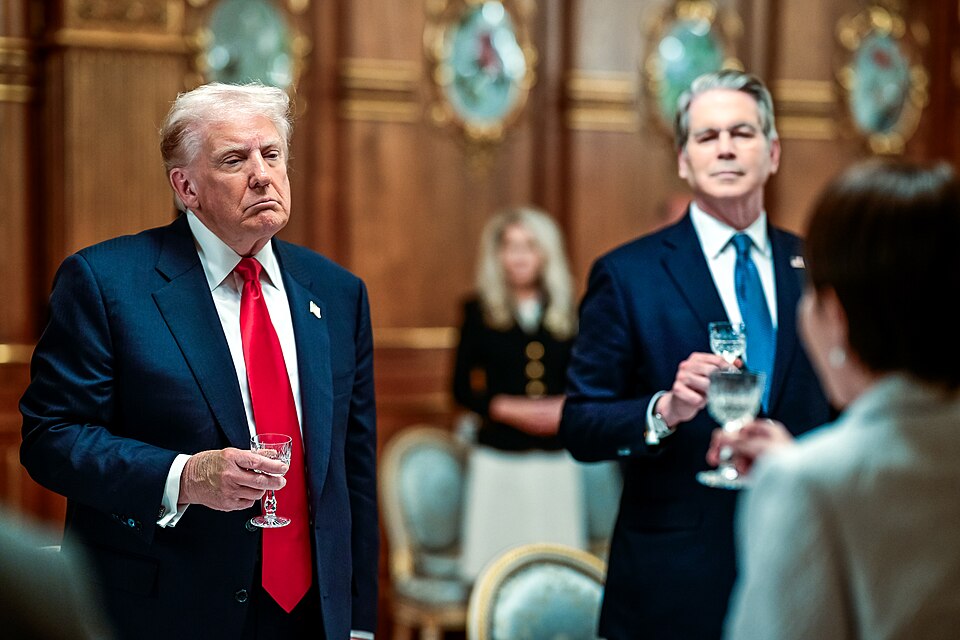
U.S. Treasury Secretary Scott Bessent has pushed Japan to tighten fiscal policy and support higher interest rates as Washington and Tokyo work to stabilize the yen and limit risks in global bond markets.
Japanese Finance Minister Satsuki Katayama sought U.S. assistance in June as the yen weakened sharply, according to people familiar with the discussions. Bessent responded by urging Tokyo to address the underlying causes of yen weakness, including heavy government spending that could conflict with the Bank of Japan’s efforts to control inflation.
The June 22 conversation helped pave the way for coordinated U.S.-Japan yen-buying intervention in late July. Washington’s concerns extended beyond Japan’s currency. A sharp sell-off in Japanese government bonds could push up U.S. Treasury yields because Japan remains the largest foreign holder of U.S. government debt.
Bessent had previously encouraged higher BOJ interest rates during a May meeting with Katayama. The central bank raised rates in June, but Washington continued pressing Tokyo for greater consistency between monetary and fiscal policy.
After the BOJ kept rates unchanged in July while signaling further tightening, Japan intervened in currency markets before the U.S. joined the operation. The coordinated action initially strengthened the yen, although the currency later resumed its decline.
Pressure intensified at the August 31-September 1 G20 finance meeting, where Bessent again called for tighter Japanese fiscal policy and higher rates. Japan’s benchmark bond yield subsequently climbed above 3%, its highest level in three decades.
Prime Minister Sanae Takaichi now faces a difficult balance between Washington’s demands, market concerns and her domestic economic agenda. Her government continues to favor subsidies, tax measures and investment spending designed to support households and growth.
Budget requests for the next fiscal year have reached 143 trillion yen ($916.14 billion), while Takaichi aims to keep new bond issuance near 40 trillion yen for the fiscal year ending March 2028.
With the BOJ delivering another widely expected rate hike on Friday, attention is increasingly shifting toward whether Tokyo will also adjust fiscal policy to stabilize the yen and contain rising Japanese bond yields.







