


 OpenAI Data Center Chief Chris Malone Exits Ahead of Planned 2027 Listing
  Samsung Shares Tumble 8% as $79 Billion Return Plan Disappoints
  Toyota Global Sales Fall as China Demand Slumps
  US Dollar Hits Two-Week High After Hawkish Fed Speech
  Qatar Pushes Iran Diplomacy as Trump Rules Out Talks
  Trump Buys SpaceX Shares After Record IPO
  Tennessee Plans to Rename Nashville Airport After Dolly Parton
  Sweden Retail Sales Slip 0.2% in July
  European Allies Seek to Reassure Pentagon as US Reviews Troop Presence
  Iceland Counts Votes in Close EU Membership Talks Referendum
  SoftBank Eyes $20 Billion Bond Sale to Refinance OpenAI Loan
  Pinterest Stock Falls as CFO Julia Brau Donnelly Resigns
  BNP Paribas, KB Kookmin Eye $2 Billion Techcombank Stake
  Trian Drops Wendy’s Take-Private Bid Plans, Shares Plunge 14%
  Bessent Defends US Yen Intervention Over Treasury Market Risks
  Shein Hong Kong IPO to Raise $1.7 Billion at $26.5 Billion Valuation
  Tokyo Inflation Rises in August as BOJ Rate Hike Bets Grow


 Add as a preferred source on Google
Taiwan has firmly rejected a reported U.S. proposal to divide global semiconductor production equally between the two countries. The island’s Vice Premier and chief tariff negotiator, Cheng Li-chiun, stated on Wednesday that no such agreement had been discussed or accepted during recent trade talks with Washington. The comments followed remarks by U.S. Commerce Secretary Howard Lutnick, who claimed that the United States sought a 50-50 chip production split with Taiwan.
Cheng clarified upon her return to Taipei that Taiwan’s negotiating team had never entertained such a condition. “Our negotiating team has never made any commitment to a 50-50 split on chips. Rest assured, we did not discuss this issue during this round of talks, nor would we agree to such conditions,” she emphasized, according to Taiwan’s Central News Agency.
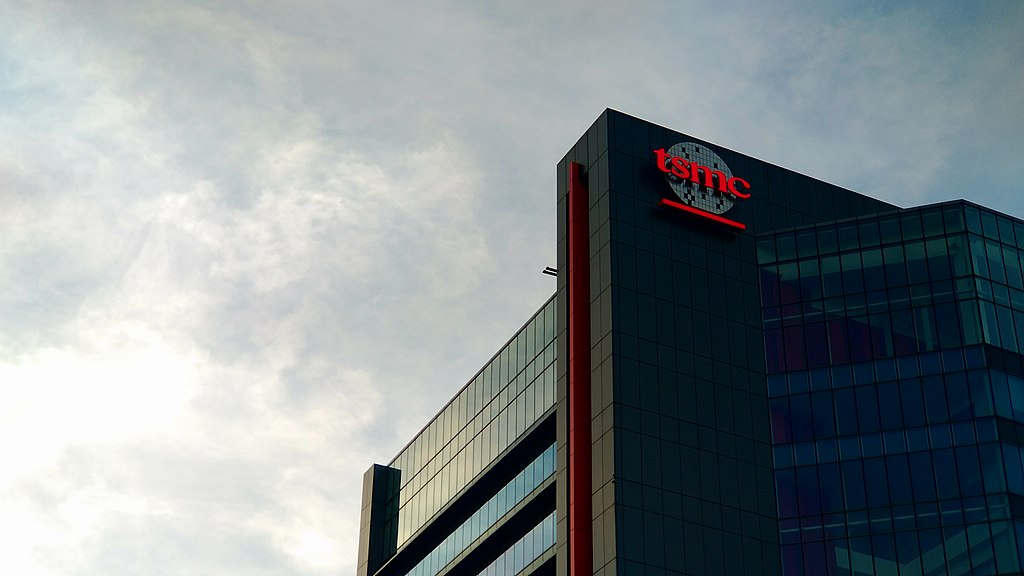
Taiwan, home to the world’s largest contract chipmaker, TSMC, currently produces the majority of advanced semiconductors that power everything from smartphones to artificial intelligence systems. While TSMC is investing $165 billion to expand chip manufacturing in Arizona, the bulk of its production will remain in Taiwan. The island also maintains a large trade surplus with the United States, with its exports facing a 20% tariff.
Taiwanese officials are pushing for more favorable tariff terms, with Premier Cho Jung-tai confirming in parliament that “critical substantive consultations” with Washington are ongoing. Cheng added that the latest round of discussions yielded “certain progress,” though no final deal has been reached.
Separately, Taiwan’s presidential office confirmed that President Lai Ching-te met with Luke J. Lindberg, U.S. Under Secretary for Trade and Foreign Agricultural Affairs. During the meeting, Taiwan pledged to purchase $10 billion worth of U.S. agricultural goods over the next four years, including soybeans, wheat, corn, and beef.
The negotiations highlight Taiwan’s dual strategy of protecting its semiconductor dominance while strengthening trade relations with the United States.







