


 U.S. Blocks Venezuela From Funding Nicolas Maduro’s Legal Defense in New York Drug Trafficking Case
  Lindt Posts Record CHF 5.92 Billion in Sales for 2025, Doubles Share Buyback Program
  Panama Investigates CK Hutchison’s Port Unit After Court Voids Canal Contracts
  U.S. and Russia Hold Diplomatic Talks in Florida Amid Ongoing Tensions
  Shots Fired at U.S. Consulate in Toronto in Suspected National Security Incident
  Iran Mines Strait of Hormuz: Crude Oil Prices Surge Amid Middle East Tensions
  Panama Cancels CK Hutchison Port Contracts, Grants Temporary Control to Maersk and MSC
  Costco Faces Class Action Lawsuit Over Tariff Refunds as Supreme Court Strikes Down Trump's IEEPA Tariffs
  UK Regulators Demand Social Media Platforms Strengthen Children's Age Verification
  Meta Encryption Plan Sparks Child Safety Concerns Amid New Mexico Lawsuit
  California Court Rejects xAI Bid to Block AI Data Transparency Law
  Anthropic Sues Pentagon Over AI Blacklist, Citing Free Speech Violations
  UBS Seeks Legal Protection Over Credit Suisse's Nazi-Era Banking Activities
  Heinz Wattie's to Close Three New Zealand Plants, Cutting 350 Jobs
  Boeing Secures $289 Million Smart Bomb Contract With Israel
  FBI Warns of Possible Iranian Drone Attacks on California Amid U.S.-Iran War
  U.S. Calls for Reassessment of International Aid to Taliban-Ruled Afghanistan


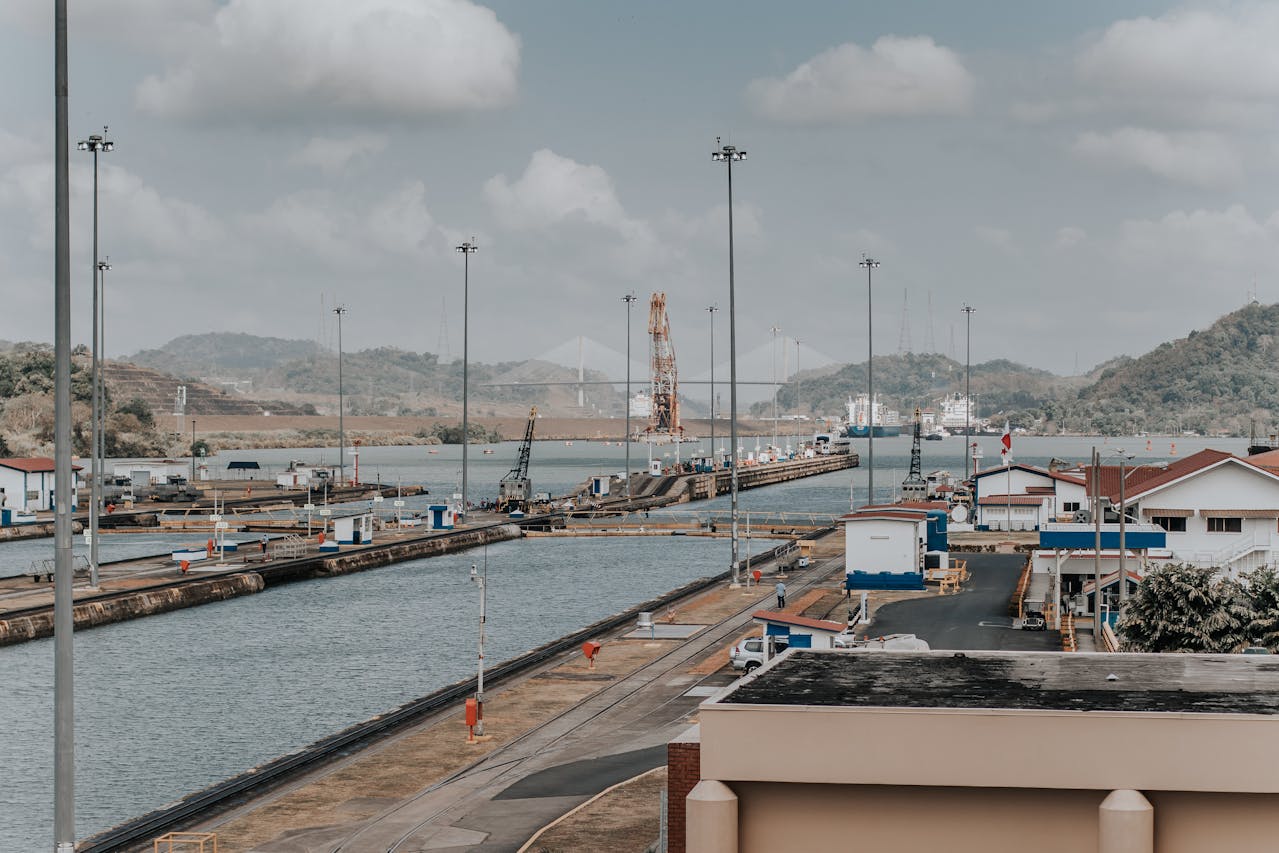
Hong Kong-based conglomerate CK Hutchison has initiated international arbitration proceedings against the Panamanian government after Panama’s Supreme Court annulled licences held by its subsidiary, Panama Ports Company, to operate two key ports along the Panama Canal. The legal battle, announced on Wednesday, could take several years to resolve and highlights growing tensions between international trade, geopolitics, and law.
The ruling by Panama’s top court determined that the original port contracts violated the country’s constitution by granting exclusive privileges and tax exemptions to CK Hutchison. The company has operated the Balboa and Cristobal ports for nearly 30 years, making the decision a significant setback. In a statement to the Hong Kong Stock Exchange, CK Hutchison said it “strongly disagrees” with the ruling and is consulting legal counsel while reserving the right to pursue additional national and international legal actions.
Legal experts note that international arbitration cases often take years and that enforcement ultimately depends on whether the state chooses to comply with the ruling. Analysts suggest CK Hutchison’s move may be aimed at demonstrating to shareholders and regulators in Hong Kong and Beijing that it is exhausting all available legal options amid escalating U.S.-China tensions.
The dispute also casts uncertainty over CK Hutchison’s planned $23 billion deal to sell its global port operations to a consortium led by BlackRock and Mediterranean Shipping Company. The two Panama Canal ports are central to the transaction, although some analysts believe the deal could proceed without them. CK Hutchison has previously indicated it was in talks to include a major Chinese strategic investor, reportedly COSCO, though negotiations have faced challenges over ownership stakes.
The issue has drawn sharp reactions internationally. China condemned the Panamanian court ruling as “absurd” and warned of consequences, while Panama’s president defended the independence of the judiciary. The ports are widely seen as strategic assets due to their location at the canal’s Atlantic and Pacific entrances, a critical trade route for the United States. The case underscores how global infrastructure assets are increasingly entangled in geopolitical rivalry, with legal outcomes carrying far-reaching economic and political implications.













