


 Trump Eyes $54 Billion South Korean Investment in Alaska LNG
  El Salvador Turns to Stablecoins as Bitcoin Payments Struggle
  Gold Rebounds as Oil Falls and Treasury Rout Eases
  China Reviews Broadcom Switch Use in State Data Centres
  Trump Demands Powell Resign Over Fed Renovation Cost Overruns
  Trump Scales Back Endangered Species Act Protections
  US Treasury Bond Buybacks Fall Short Despite Expanded $6 Billion Cap
  Asian Currencies Mixed as Yen Slides on BOJ Rate Signals
  U.S. Stock Futures Steady as AI, Rate Concerns Weigh
  US Alcohol Ban Exposes Canada’s Internal Trade Barriers
  Tim Scott Blames Democrats as CLARITY Act Stalls in Senate
  Dollar Hits Three-Month High as US Treasury Yields Surge
  Gold Plunges 4% as Treasury Yields Surge and Fed Rate Hike Bets Rise
  California Bans Memecoins Issued by Public Officials Under New Law


 Add as a preferred source on Google
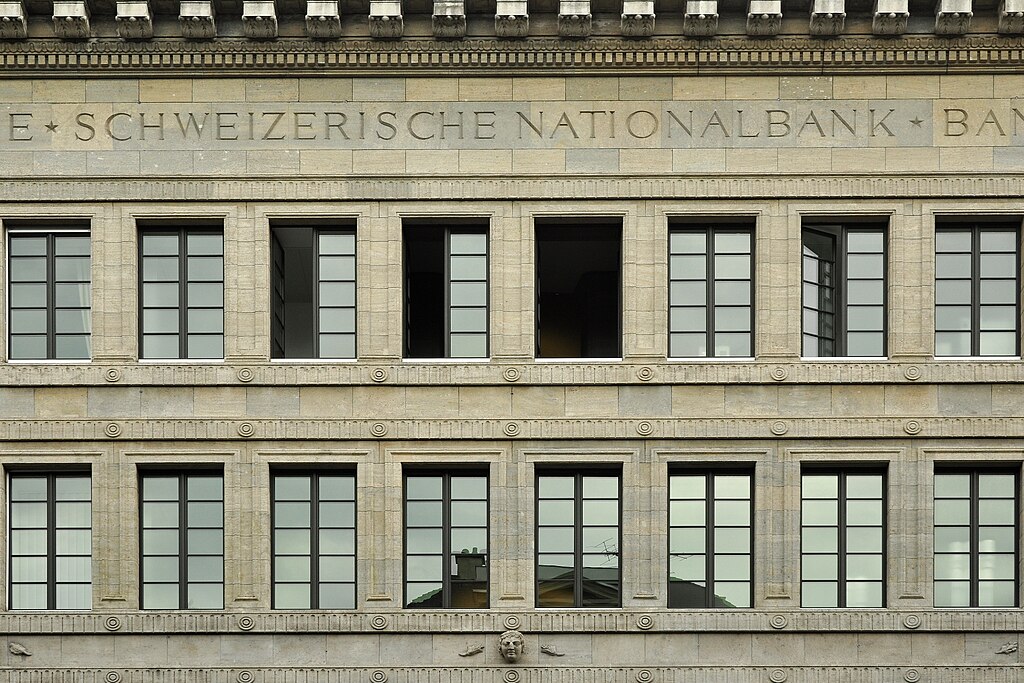
The Swiss National Bank (SNB) remains committed to using interest rates and currency interventions to maintain price stability, despite potential U.S. scrutiny. SNB Chairman Martin Schlegel reaffirmed this stance, emphasizing that the bank's primary monetary tool is interest rates, with foreign exchange interventions used only when necessary.
Switzerland was labeled a currency manipulator by the U.S. Treasury in 2020 for allegedly weakening the Swiss franc to gain a trade advantage. However, the country later had the designation removed in 2023 after defending its monetary policies. Schlegel clarified that the SNB's focus on interest rates over currency intervention is not a response to political pressure but aligns with its long-standing policy framework.
To prevent excessive franc appreciation and deflation, the SNB is open to reintroducing negative interest rates, a measure it used for nearly eight years until September 2022. While acknowledging that negative rates are unpopular with savers, Schlegel stressed they were effective in making the franc less attractive. However, he stated that the SNB would only implement them if absolutely necessary.
Countries labeled as currency manipulators risk penalties such as exclusion from U.S. government contracts, but the SNB remains firm in its approach. Schlegel reiterated that the bank’s mandate is to ensure price stability, using all available tools, including exchange rate interventions, to achieve this goal.
By maintaining a flexible yet decisive monetary policy, the SNB aims to stabilize inflation and manage currency fluctuations, reinforcing Switzerland’s economic resilience amid global financial pressures.







