


 Florida Investigates OpenAI and ChatGPT Over Alleged Role in FSU Shooting
  U.S. Fast-Tracks $8.6 Billion Arms Sales to Middle East Allies Amid Rising Tensions
  Trump and IRS in Settlement Talks Over $10 Billion Tax Return Leak Lawsuit
  Trump Expands Cuba Sanctions Targeting Key Sectors and Foreign Entities
  Lula and Trump Talks Signal New Phase in Brazil-US Relations
  Trump Invites Top CEOs Including Nvidia, Apple, Boeing to China Summit With Xi Jinping
  Sam Altman Moves to Dismiss Punitive Damages in Sister's Sexual Abuse Lawsuit
  Israel’s Secret Iraq Base Allegedly Supported Iran Air Campaign, WSJ Reports
  Ghana Rejects U.S. Health Deal Over Data Sharing Concerns Amid Foreign Aid Shift
  US Sanctions Target Iran’s Shadow Banking Network and Terror Financing
  US Adds European Union to Section 301 Watchlist Amid Trade Concerns
  Trump Reportedly Approves Plan to Remove FDA Commissioner Marty Makary Amid Growing Controversies
  Justice Jackson Slams Supreme Court's Growing Use of Shadow Docket
  Trump Administration Releases New UFO Files and Apollo Mission Records
  Supreme Court Asked to Reinstate Mail-Order Access to Abortion Pill Mifepristone
  Sinaloa Governor Ruben Rocha Denies U.S. Cartel Allegations, Calls Charges Political


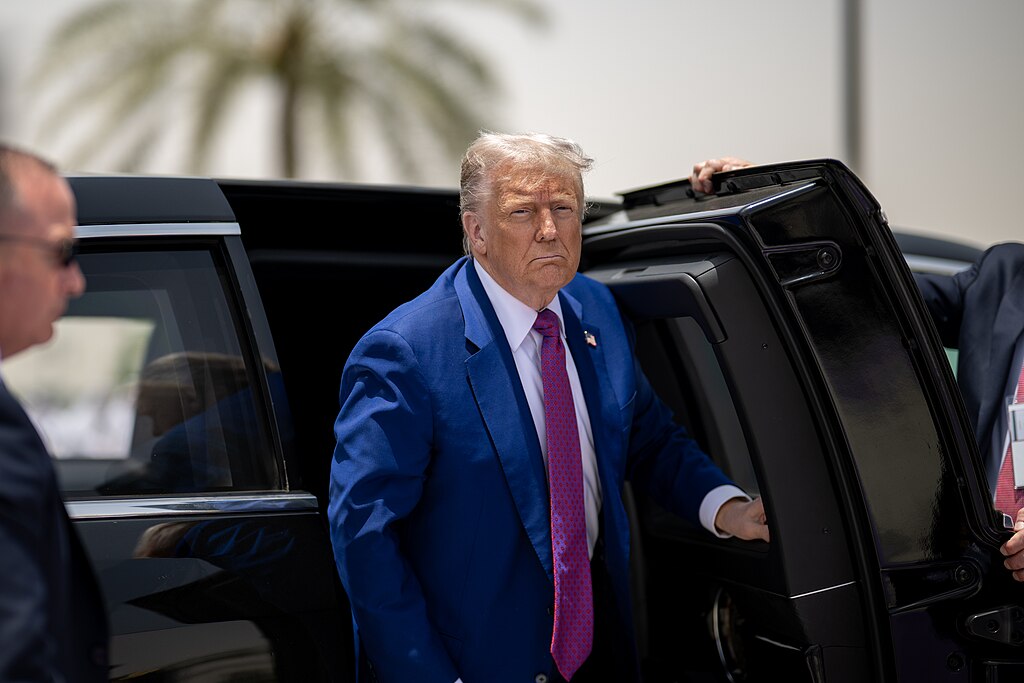
The U.S. Supreme Court is preparing to take up a major separation-of-powers case examining whether former President Donald Trump acted lawfully when he attempted to fire Federal Trade Commission (FTC) Commissioner Rebecca Slaughter before the end of her term. The outcome could redefine presidential authority and potentially dismantle a 90-year-old legal precedent that has long protected leaders of independent federal agencies from removal without cause.
The Justice Department is appealing lower court rulings that blocked Trump’s removal of Slaughter, a Democratic commissioner whose term runs until 2029. Those courts relied on Humphrey’s Executor v. United States, a 1935 Supreme Court decision holding that presidents cannot dismiss FTC commissioners for political reasons. Congress reinforced this limitation through a 1914 statute allowing removal only for cause, such as inefficiency or misconduct. Similar protections apply across more than two dozen independent agencies, including the National Labor Relations Board and the Merit Systems Protection Board.
Trump’s legal team argues that the FTC now wields significant executive power, and under the “unitary executive” theory, the president must have unrestricted authority to fire agency leaders. Slaughter’s lawyers acknowledge the agency’s expanded reach but maintain that longstanding precedent supports these tenure protections regardless of the FTC’s regulatory role.
The Supreme Court, which allowed Trump’s firing of Slaughter to take effect while the case proceeds, will now decide whether to limit or overturn Humphrey’s Executor. A ruling against Slaughter could give presidents broad power to remake independent agencies, reshaping federal oversight of antitrust, consumer protection, labor disputes, and more. The decision may also address whether courts have the authority to block unlawful removals of executive officials.
The Court is expected to issue a ruling by late June. In a related challenge to presidential power, justices will also hear arguments in January on Trump’s unprecedented effort to remove Federal Reserve Governor Lisa Cook, raising further questions about the independence of federal institutions.







