


 Senate Stablecoin Bill Sparks Clash Between Banks and Crypto Industry
  Trump DOJ Challenges Colorado’s Large-Capacity Magazine Ban in Second Amendment Lawsuit
  Justice Jackson Slams Supreme Court's Growing Use of Shadow Docket
  Apple Wins ITC Ruling, Keeping Blood-Oxygen Feature on Apple Watch
  FEMA Reinstates Employees After Dissent Letter, Signaling Shift in Workforce Stability
  Federal and State Authorities Conduct Widespread Fraud Raids Across Minnesota
  Taiwan Court Fines Tokyo Electron Unit $4.78M in Major TSMC Trade Secrets Case
  Sam Altman Moves to Dismiss Punitive Damages in Sister's Sexual Abuse Lawsuit
  Trump Administration Dismisses Entire National Science Board, Sparking Debate Over Scientific Independence
  Rubio Approves $25.8 Billion Weapons Sale to Middle East Allies
  RFK Jr. Expands CDC Vaccine Advisory Panel's Scope Amid Legal Battles
  Federal Judge Dismisses DOJ Lawsuit Attempting to Block Hawaii's Climate Case Against Oil Giants
  China Banks Halt New Loans to Sanctioned Refineries Amid U.S.-Iran Oil Crackdown
  Bolsonaro Discharged After Shoulder Surgery Amid Ongoing Legal Troubles
  Florida Launches Criminal Probe Into OpenAI Over FSU Shooting Incident
  Judge Rules Use of Military Lawyers in Civilian Prosecutions Is Lawful
  Australia Targets Meta, Google, and TikTok With New News Payment Tax Proposal


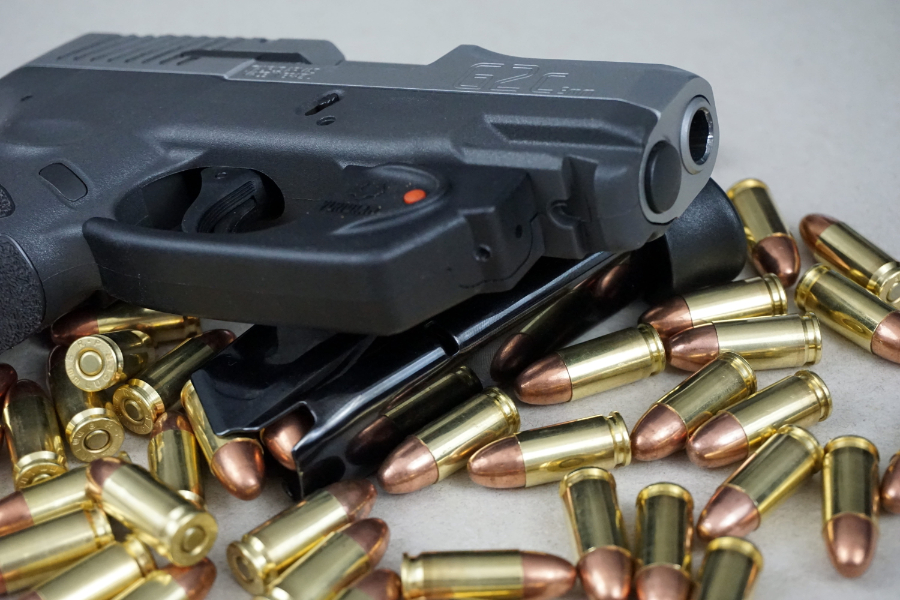
Conservative justices on the U.S. Supreme Court signaled strong skepticism toward a Hawaii law that restricts carrying handguns on private property open to the public without explicit permission from property owners, suggesting the court may once again expand gun rights. The case, argued on Tuesday, centers on whether Hawaii’s 2023 law violates the Second Amendment right to keep and bear arms.
Hawaii’s statute requires individuals with concealed-carry licenses to obtain “express authorization” before bringing handguns onto private property such as retail stores, restaurants, and other businesses open to the public. The law was enacted after Democratic Governor Josh Green signed it in response to the Supreme Court’s landmark 2022 decision in New York State Rifle & Pistol Association v. Bruen, which strengthened protections for carrying firearms outside the home.
Challengers to the law include three Hawaii residents with concealed-carry permits and a Honolulu-based gun rights group, supported by the Trump administration’s Justice Department. They argue the law effectively nullifies the Bruen ruling by presuming firearms are banned from most public-facing private property unless owners explicitly allow them.
During oral arguments, conservative justices repeatedly questioned whether Hawaii’s approach unfairly treats the Second Amendment as a lesser constitutional right. Chief Justice John Roberts and Justice Samuel Alito both expressed concern that the law imposes burdens not applied to other rights, such as free speech under the First Amendment. Justice Brett Kavanaugh also doubted whether historical firearm regulations support Hawaii’s restrictions.
Hawaii’s attorney, Neal Katyal, argued the law properly balances gun rights with long-standing property rights, emphasizing that the Constitution does not imply consent to carry weapons onto someone else’s property. However, conservative justices appeared unconvinced, particularly when Katyal cited post-Civil War “Black codes” as historical analogies, drawing sharp criticism from Justice Neil Gorsuch.
The court’s liberal justices largely defended Hawaii’s position. Justice Sonia Sotomayor questioned whether any constitutional right exists to carry firearms on private property without consent, while Justice Ketanji Brown Jackson emphasized that the Bruen test requires a comprehensive view of history, even if that history is uncomfortable.
A federal judge initially blocked the law, but the 9th U.S. Circuit Court of Appeals mostly upheld it, leading to the Supreme Court review. The court is expected to issue a decision by the end of June, a ruling that could significantly shape the future of gun laws nationwide.







