


 Iran Strikes U.S. Bases in Kuwait as Hormuz Tensions Rise
  Haiti Urges UN to Extend Gang Suppression Force Ahead of December Election
  Vietnam Leader To Lam Plans Russia, France, US and Canada Visits
  Trump Names Adam Telle Acting U.S. Army Secretary
  Lula Runs Cautious Brazil Election Campaign as Bolsonaro Narrows Poll Gap
  Brazil Warns EU of Retaliation Over Animal Products Ban
  Maduro Seeks Dismissal of US Drug Trafficking Charges
  South Korea, US Discuss Chip Investments Amid Tariff Plans
  Trump Administration Threatens Smithsonian Support Over Leadership Dispute
  Iran War Civilian Toll Rises After U.S. Strikes Hit Wedding
  US, Australia Pledge $580 Million for Pacific Islands
  Ed Markey Wins Massachusetts Democratic Senate Primary
  Nicaragua Congress Backs Reform Banning Opposition Parties
  Trump Seeks Europe Repayment for U.S. Ukraine Military Aid
  Greenland Says US Talks Remain Ongoing
  US Investigates Deadly Strike on Iranian Wedding


 Add as a preferred source on Google
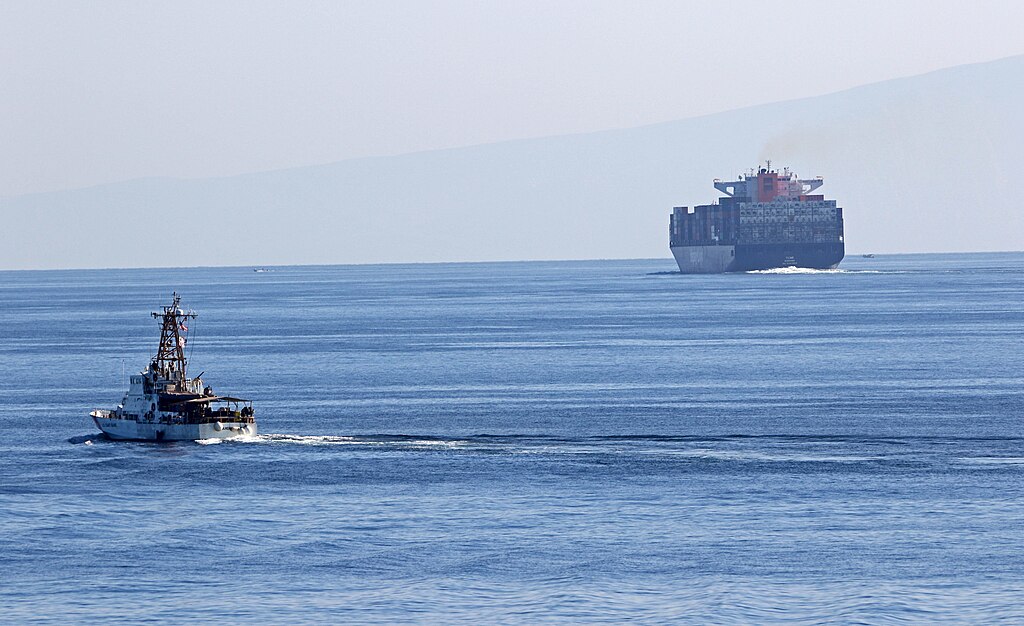
South Korea is considering military options to help safeguard freedom of navigation in the Strait of Hormuz, the presidential office said Friday, while stressing that no decision on an overseas deployment has been made.
The clarification followed reports from South Korean media outlets, including JTBC and MBC, that Seoul could deploy military assets before the end of 2026 and seek National Assembly approval as early as September.
Potential contributions reportedly include a maritime patrol aircraft, logistics support vessel, or mine detection and clearance unit. Seoul has also discussed possible cooperation with the United States, Britain and France.
A presidential official confirmed that military measures are among several options being reviewed. However, any decision would need to account for South Korean legal requirements, military readiness on the Korean Peninsula and parliamentary approval.
President Lee Jae Myung could discuss Strait of Hormuz security with French President Emmanuel Macron when the two leaders meet next week, the official added.
The issue has gained importance for Seoul amid pressure from Washington for allies to contribute more to regional security. U.S. President Donald Trump said in August that he had scaled back U.S.-South Korea joint military exercises partly because Seoul declined to assist the United States in its war against Iran.
Ban Kil-joo, a professor at the Korea National Diplomatic Academy, said a deployment could demonstrate South Korea's commitment to its U.S. alliance without directly participating in combat against Iran.
Retired Lieutenant General Chun In-bum also argued that protecting the Strait of Hormuz serves South Korea's national interests because of the country's heavy dependence on energy shipments passing through the strategic waterway.
Any overseas military deployment requires approval from South Korea's National Assembly. Public support could be a challenge, with a March Gallup Korea poll showing 55% opposed sending South Korean warships to the Strait of Hormuz, compared with 30% who supported the move.
The economic stakes are substantial. South Korea relied on the Strait of Hormuz for 61% of its crude oil imports and 54% of its naphtha imports last year, making uninterrupted maritime traffic crucial to the country's energy security.







