


 Nicaragua Congress Backs Reform Banning Opposition Parties
  Countries Tighten Social Media Bans for Children
  South Korea, US Discuss Chip Investments Amid Tariff Plans
  FCC Steps Up China Tech Crackdown as Beijing Pushes Back
  SEC Sues Former Tricolor Executives Over $1.9 Billion Investor Fraud Scheme
  Maduro Seeks Dismissal of US Drug Trafficking Charges
  ICE to Complete Nationwide Body Camera Rollout by End of August
  SEC Proposes ‘Regulation Crypto Assets’ Framework for Crypto Fundraising
  U.S. Probes Apex Logistics Over Nvidia AI Chip Shipments to China
  US-Iran Conflict Escalates With New Strikes Near Hormuz
  Trump Imposes New US Tariffs on Drone Imports Over National Security Concerns
  Lula Runs Cautious Brazil Election Campaign as Bolsonaro Narrows Poll Gap
  Trump Orders Major Overhaul of US Navy Shipbuilding
  Trump Seeks Europe Repayment for U.S. Ukraine Military Aid
  Vietnam Leader To Lam Plans Russia, France, US and Canada Visits
  Haiti Urges UN to Extend Gang Suppression Force Ahead of December Election
  Lula’s Lead Over Flavio Bolsonaro Narrows Ahead of Brazil Election


 Add as a preferred source on Google
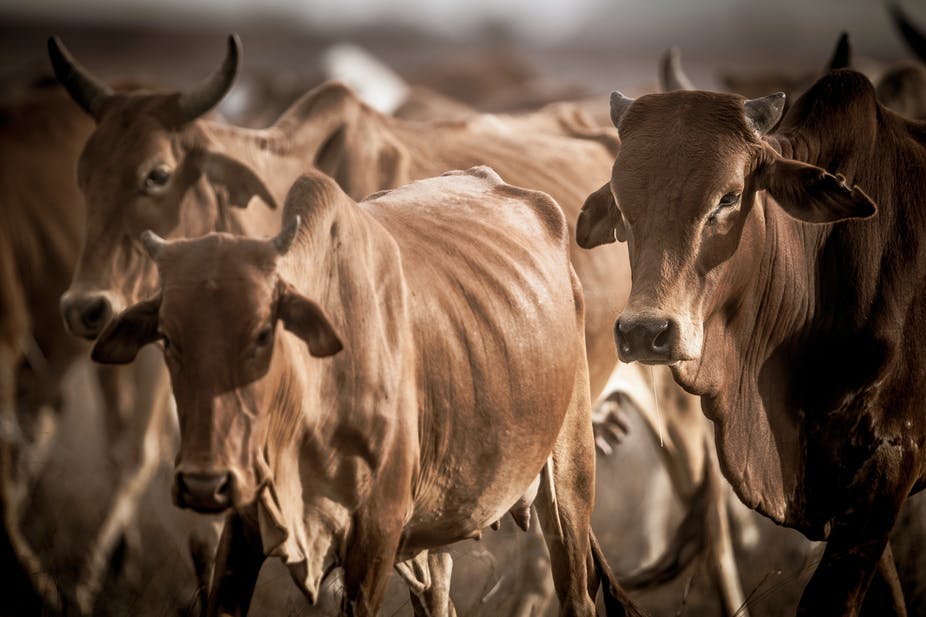
Brazil has warned that it could impose reciprocal measures against the European Union if negotiations fail to resolve a new EU ban on Brazilian animal products, raising the prospect of fresh trade tensions between the two major economic partners.
The Brazilian government issued the warning on Thursday in a joint statement from the Ministry of Agriculture and the Ministry of Foreign Affairs. Officials said Brazil remains committed to negotiations but could respond if discussions with European authorities do not produce what it considers a “satisfactory outcome.”
The EU restriction, which took effect on Thursday, targets animal products imported from Brazil. European authorities are seeking assurances that prohibited antimicrobial substances are not being used during the production of goods destined for the bloc.
Brazil expressed concern about the measure and indicated that it would continue engaging with EU officials in an effort to reverse the restriction. The government’s reference to possible reciprocal action signals that Brasília is prepared to consider countermeasures if diplomatic efforts fail.
The dispute adds another potential source of friction to Brazil-EU trade relations, particularly because agricultural and animal products represent an important part of Brazil’s international exports. Any prolonged restrictions could create uncertainty for Brazilian producers that rely on access to European markets.
At the center of the disagreement are EU food safety requirements concerning antimicrobial substances. The European bloc wants guarantees that Brazilian production complies with its rules before affected animal products can regain access to the market.
Brazil has not yet detailed what reciprocal measures it could adopt or which European products might be affected. For now, the government appears to be prioritizing negotiations while keeping retaliation available as an option.
The outcome of the talks will determine whether the two sides can resolve the animal products dispute or whether the EU ban develops into a broader trade confrontation involving restrictions from both sides.







