


 IBM Q2 Earnings Miss Estimates as Software Growth Offsets Infrastructure Weakness
  Elon Musk Fuels SpaceX-Tesla Merger Speculation After Earnings Call
  US Investigates Moonshot Over Alleged Use of Advanced AI Chips and IP Theft
  AMD Unveils Helios AI Servers to Challenge Nvidia as OpenAI Adopts New Platform
  Intel Stock Slips After Earnings Rally Despite Strong AI-Driven Revenue Growth
  Intel, AMD Seek Long-Term China Server CPU Deals as AI Demand Drives Supply Crunch
  GE Vernova Q2 Revenue Tops Estimates as Earnings Miss, Shares Slide Despite Higher 2026 Outlook
  Rubio Rejects AI ‘Kill Switch’ Claims as U.S. Defends American Technology Abroad
  Alaska Air Q3 Outlook Misses Estimates as Higher Fuel Costs Weigh on Profit Forecast
  Volkswagen Cuts 2026 Revenue Outlook as China Weakness, Trade Risks Weigh
  SAP Beats Q2 Revenue Estimates as Cloud Backlog and Business AI Demand Drive Growth.
  Scandinavian Tobacco Group Sells BREAK and Moro Brands to Japan Tobacco for €176 Million
  Wistron Opens $700M Texas AI Factory to Build Nvidia Superchips in U.S.
  Bank of America Says These Overlooked AI Stocks Could Be the Next Winners
  ASML Trillion-Dollar Valuation: Can Europe’s AI Chip Giant Reach the Historic Milestone?
  Samsung Eyes Up to $1.14 Billion Investment in AI Startup Mistral


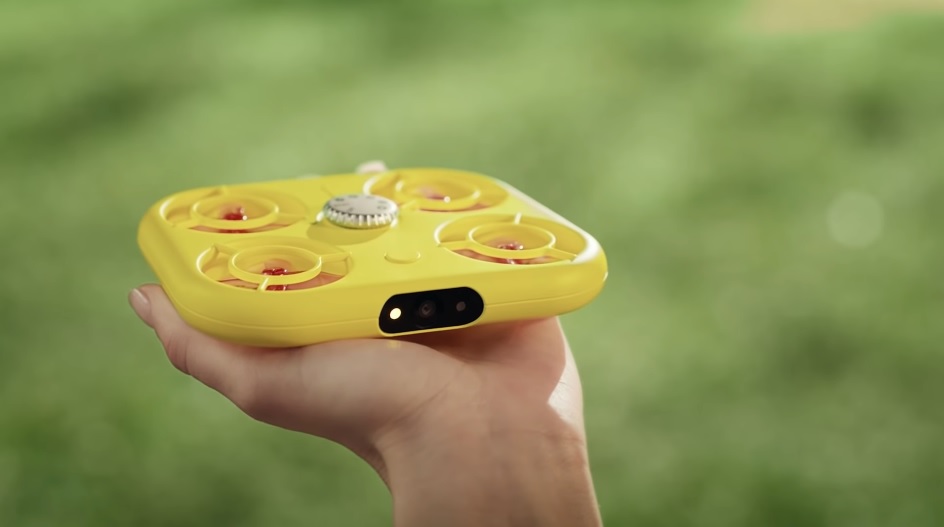
Snapchat’s parent company, Snap, launched its first selfie camera drone named Pixy in late April. Not even four months later, however, the company has reportedly decided to end further development of the hardware.
Snap CEO Evan Spiegel told employees during a Q&A session that further development of the Pixy is no longer part of the company's production plans, the Wall Street Journal reported. The change is said to be part of Snap’s wider plan to reallocate its resources to adjust amid an economic downturn.
Pixy was announced last April 29, starting at $230. But its availability was very limited, and there were no clear indications if Snap had planned to expand its shipments. Right upon its launch, Snap noted that Pixy will be available “while supplies last.” The selfie camera drone was only shipped to France and the United States as well.
It was also designed to be more portable and was billed as a “pocket-sized” drone that lands and takes off from the user’s palm. “With the simple tap of a button, Pixy flies in four preset flight paths,” Snap said in a press release from late April. “It can float, orbit, and follow wherever you lead, without a controller or any set-up.”
Unlike other camera drones in the market, Pixy was advertised as a companion device for Snapchat, much like Snap’s Spectacles. This means videos captured by Pixy can be wirelessly transferred and stored in Snapchat Memories, where users can then customize them with the app’s editing tools and other features.
The WSJ report said Snap would continue selling the existing model of the Pixy selfie camera drone. But that likely applies as long as supplies last. The official website indicates the device is still available for customers in the United States, as of this writing.
The standard purchase that costs $230 comes with the drone, a bumper and carrying strap, a rechargeable battery, and a USB-C charging cable. Snap also offers a $250 “flight pack” bundle with an additional dual battery charger and two extra batteries. But Snapchat users can also order the dual battery charger and extra battery separately for $50 and $20, respectively.







