


 KAIST, Stanford Develop Self-Dressing Robot for Cleanrooms and Emergency Gear
  OpenAI Australia Data Center Switches Cooling Strategy After Recycled Water Plan Fails
  SpaceX Eyes Pentagon AI Deal as Cloud Pricing Strategy Pressures CoreWeave
  Bank of America Says These Overlooked AI Stocks Could Be the Next Winners
  Nationwide Data Center Protests Highlight Growing Backlash Against AI Expansion
  ASML Trillion-Dollar Valuation: Can Europe’s AI Chip Giant Reach the Historic Milestone?
  Mikron H1 2026 Sales Fall 5.9% as Automation Weakness Weighs on Profit
  Samsung Cuts U.S. Consumer Electronics Jobs as Headquarters Moves to Texas
  Alphabet Q2 Earnings Beat Estimates as AI Spending, Google Cloud Growth Fuel Outlook
  Lockheed Martin Unveils Lower-Cost Patriot ACE Interceptor to Meet Rising Air Defense Demand
  Macquarie Names Greg Ward as CEO, Signaling Stability and Strategic Continuity
  US, China to Hold AI Talks Ahead of Xi’s September Visit
  Chalco Shares Jump as Chinalco Plans Up to $300 Million Stake Increase
  Elon Musk Fuels SpaceX-Tesla Merger Speculation After Earnings Call
  SpaceX Aborts Starship Test Flight as Engine Issue Delays Launch
  GM Q2 Earnings Beat Estimates as General Motors Raises 2026 Profit Outlook


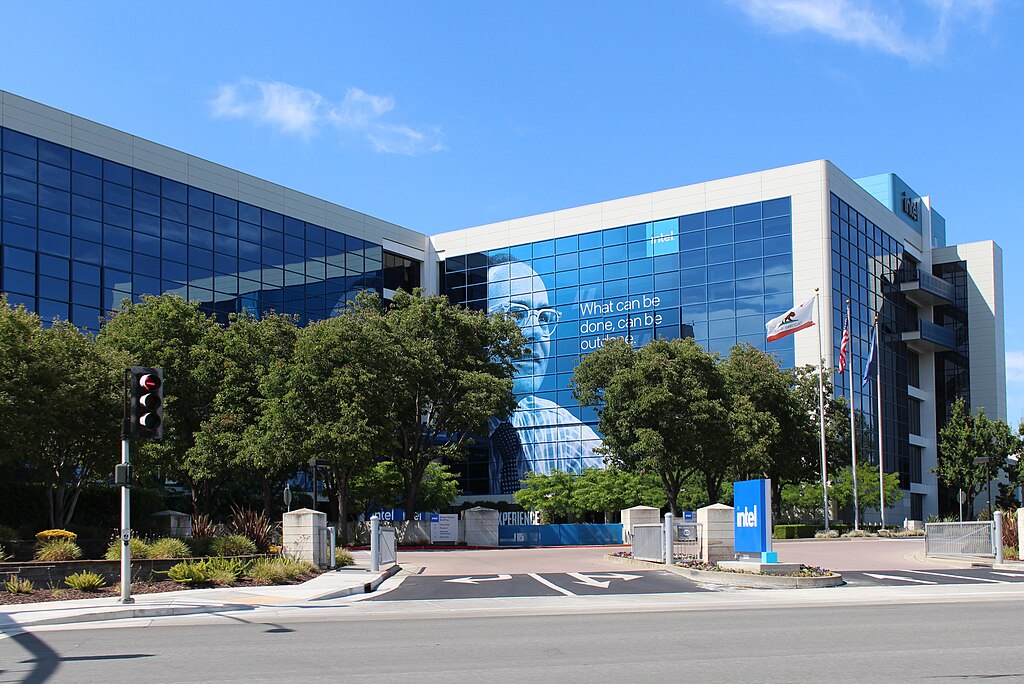
Intel and Advanced Micro Devices (AMD) are negotiating long-term purchase agreements with Chinese server customers as demand for data center processors continues to outpace supply, according to people familiar with the discussions.
The proposed agreements reflect how the artificial intelligence boom is reshaping the semiconductor market. While AI graphics processing units (GPUs) have attracted the most attention, demand for server CPUs, memory chips, and networking hardware has also surged, allowing major chipmakers to pursue longer-term supply commitments with customers.
The deals being discussed would typically guarantee purchase volumes rather than fixed prices. Most contracts are expected to cover around one year of supply, although Intel and AMD have reportedly explored agreements lasting two years or longer with select customers.
AI infrastructure requires far more than high-performance GPUs. Large-scale data centers depend on central processing units (CPUs) to manage servers, storage systems, networking equipment, and AI inference workloads. As investment in AI computing expands, server processors have become increasingly important across cloud computing and enterprise infrastructure.
The trend mirrors developments in the memory chip market, where AI-driven shortages have already encouraged buyers to secure long-term supply agreements. Intel and AMD declined to comment on the reported negotiations.
The talks also signal a significant shift in the server CPU market, which had previously experienced fewer supply constraints than AI accelerators or memory products. However, tighter processor availability could increase costs and delay AI data center deployments for Chinese cloud providers and internet companies.
According to one source, server CPU prices in China have risen by more than 10% month over month for certain models, while some products have climbed over 40% since the beginning of the year.
Reuters previously reported that Intel and AMD warned Chinese customers of extended delivery times, with Intel's Xeon server processors facing lead times of up to six months for some orders.
The issue is expected to remain in focus as Intel prepares to report quarterly earnings. Earlier this year, CEO Lip-Bu Tan said demand for Xeon server CPUs continued to exceed supply and highlighted multi-year agreements, including a long-term contract with Google. AMD, which reports earnings in early August, recently projected the server CPU market will surpass $120 billion by 2030, driven by accelerating demand for agentic AI workloads.
China remains one of the world's largest server markets as it rapidly expands AI data centers, computing clusters, and national digital infrastructure, intensifying competition for Intel and AMD processors despite ongoing U.S. restrictions on advanced AI GPU exports.







