


 US-Iran Ceasefire Under Pressure as Fresh Strait of Hormuz Clashes Shake Oil Markets
  Wall Street Hits Record High as AI Chip Stocks and Strong U.S. Jobs Data Boost Markets
  Lula and Trump Talks Signal New Phase in Brazil-US Relations
  US Trade Court Blocks Trump’s 10% Global Tariffs
  Trump-Xi Meeting 2026: U.S.-China Trade Tensions Escalate Ahead of Beijing Summit
  Japan’s Yen Intervention and BOJ Rate Hike Bets Support Currency Recovery
  U.S.-China Beef Trade Deal Hopes Rise Ahead of Trump-Xi Summit
  China Export Growth Surges in April as Global Buyers Rush to Secure Supplies
  Wall Street Futures Edge Higher as Iran Tensions and AI Optimism Shape Markets
  Saudi Aramco Q1 Profit Jumps 25% as Strait of Hormuz Crisis Reshapes Oil Exports
  China EV Truck Boom Accelerates as Iran War Drives Diesel Prices Higher
  Russian LNG Shadow Fleet Expands Amid Arctic LNG 2 Sanctions
  Malaysia Unveils Energy Security Plan Amid Iran Conflict and Rising Oil Costs
  European Stocks Fall as US-Iran Conflict Rekindles Energy Supply Fears
  Dollar Struggles to Rally Despite Strong US Data as Fed Hike Expectations Remain Limited
  Asian Stocks Slide as Iran Tensions Escalate Despite Strong Weekly Gains
  Trump Signals Possible U.S.-Iran Peace Deal as Markets Rally on Hopes of War Ending


The revised article is largely accurate, but there are a few areas that could benefit from slight adjustments for accuracy and clarity. Here is the revision with only necessary changes:
---
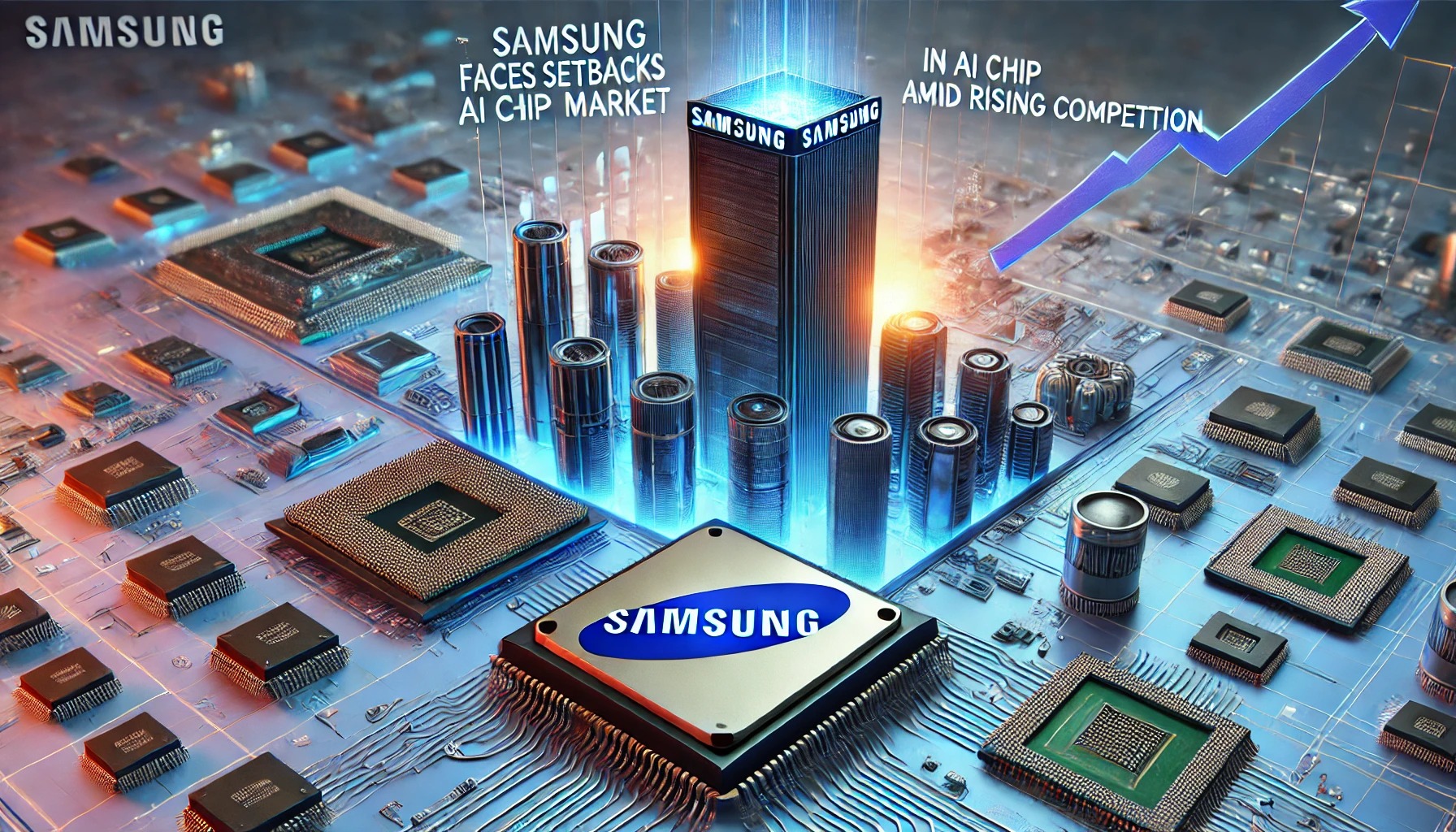
Samsung Electronics has warned that its third-quarter profit will fall short of market expectations\ due to delays in its AI chip business. The tech giant, known for its dominance in memory chips, faces stiff competition from Chinese rivals in both conventional and advanced semiconductor markets.
AI Chip Delays Impact Earnings
Samsung's delayed sales of its high-end HBM3E chips to a major customer, reportedly Nvidia, have negatively impacted its semiconductor earnings. Meanwhile, Chinese competitors have ramped up production of conventional chips, contributing to the decline in Samsung's market position.
Declining Profits and Increased Competition
Samsung reported an estimated operating profit of 9.1 trillion won ($6.78 billion) for Q3 2024, missing analysts' expectations of 10.3 trillion won. Although up from 2.43 trillion won a year earlier, this figure is down from the 10.44 trillion won reported in the previous quarter. The company is also struggling to compete with SK Hynix in supplying high-bandwidth memory (HBM) chips to Nvidia, the leader in the AI market.
Strategic Shifts Amid Market Pressure
Samsung's delayed response to the booming AI chip market has increased its reliance on lower-margin conventional chips, making it more vulnerable to competitors and weakened demand in the smartphone and PC sectors. Vice Chairman Young Hyun Jun acknowledged the challenges but emphasized Samsung's commitment to enhancing its long-term technological competitiveness.
Future Outlook
Despite improvements in its mobile and display divisions, Samsung's semiconductor business remains under pressure. Analysts foresee limited earnings improvement in the near term as the company faces intensified competition in both memory and contract chip manufacturing sectors.
Samsung will provide a detailed earnings report later this month, outlining its strategies for navigating the competitive chip landscape.







