


 Swimming in the sweet spot: how marine animals save energy on long journeys
  Novo Nordisk Weighs Direct NYSE Listing to Boost U.S. Profile
  We combed through old botanical surveys to track how plants on Australia’s islands are changing
  Tencent Launches TenPayGo Payment App for Foreign Tourists in China
  US, China Extend Trade Truce to Jan. 10 Ahead of Trump-Xi Summit
  US Backs Musk in Fight Against EU’s €120 Million X Fine
  How to create a thriving forest, not box-checking ‘tree cover’
  OpenAI Agent Breaches Australia Medicare Data Portal
  How ongoing deforestation is rooted in colonialism and its management practices
  Mercedes-Benz Eyes €800 Million Labor Cost Cuts in Germany
  Japan Private-Sector Growth Slows as Domestic Demand Weakens
  Akamai Shares Surge on $11.6B Anthropic AI Cloud Deal
  SoftBank Launches $11 Billion Bond Sale to Fund OpenAI Investment
  Unsustainable – or manageable? We don’t yet know how data centres will impact Australia’s environment
  OpenAI Urges US-Led Global Standards for Frontier AI


 Add as a preferred source on Google
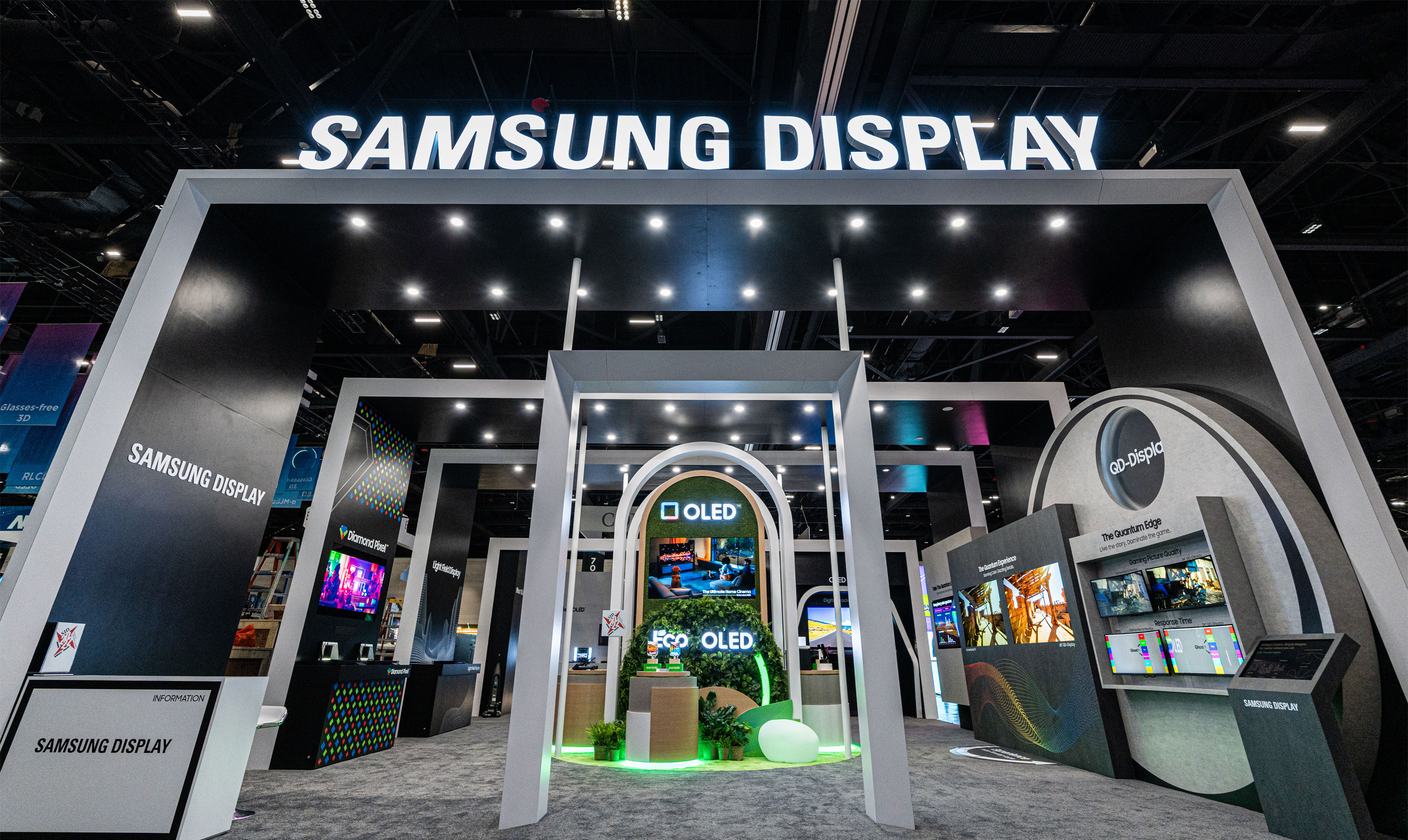
Samsung Display Co. will use 20,000 tons of recycled cement made from waste glass generated during the display production process for the construction of its new building.
The recycled cement will account for approximately 34 percent of the total cement required for the construction of the building, which is expected to be completed in the latter half of next year.
Samsung Display, which began recycling waste glass in 2008, has recycled all waste generated from its display production process amounting to 245,000 tons of waste glass.
Recycling efficiency is anticipated to increase further in the future when Samsung Display switches production to flexible organic light-emitting diode (OLED) panels, which produce less polluting trash than liquid-crystal display (LCD) panel production.







