


 Trump Threatens Iran With 'Major Military Punishment' as Red Sea Attacks Push Oil Above $100
  US Plans Closer Coordination With Erik Prince-Linked Security Firm in Haiti Amid Drone Strike Concerns
  Russia Says It Hit Ukrainian Ports, Cargo Ships in Odesa and Chornomorsk
  Trump Praises Nigeria’s Tinubu, Signaling Stronger U.S.-Nigeria Security Ties
  Trump Education Department Removes Disparate Impact Rules, Sparking Civil Rights Backlash
  Trump Administration Imposes New Forced Labor Tariffs on 60 Trading Partners
  Russian Bomb Strikes Hit Zaporizhzhia, Sloviansk, Injuring Dozens in Eastern Ukraine
  Juan Orlando Hernandez Seeks Dismissal of Honduras Charges After Trump Pardon
  ASEAN Forum Puts Middle East Conflict, South China Sea Tensions in Spotlight
  US Probes Possible Russian Role in Iranian Drone Strikes on CIA Sites
  Rubio Rejects AI ‘Kill Switch’ Claims as U.S. Defends American Technology Abroad
  US Investigates Moonshot Over Alleged Use of Advanced AI Chips and IP Theft
  US-Iran War Enters 11th Day as Costs Climb to $37.5 Billion, Trump Warns of More Strikes
  Iran Rejects U.S.-Backed Ceasefire as Trump Escalates Military Threats, Oil Tops $100
  Amish Shah Wins Arizona Democratic Primary in Key U.S. House Race


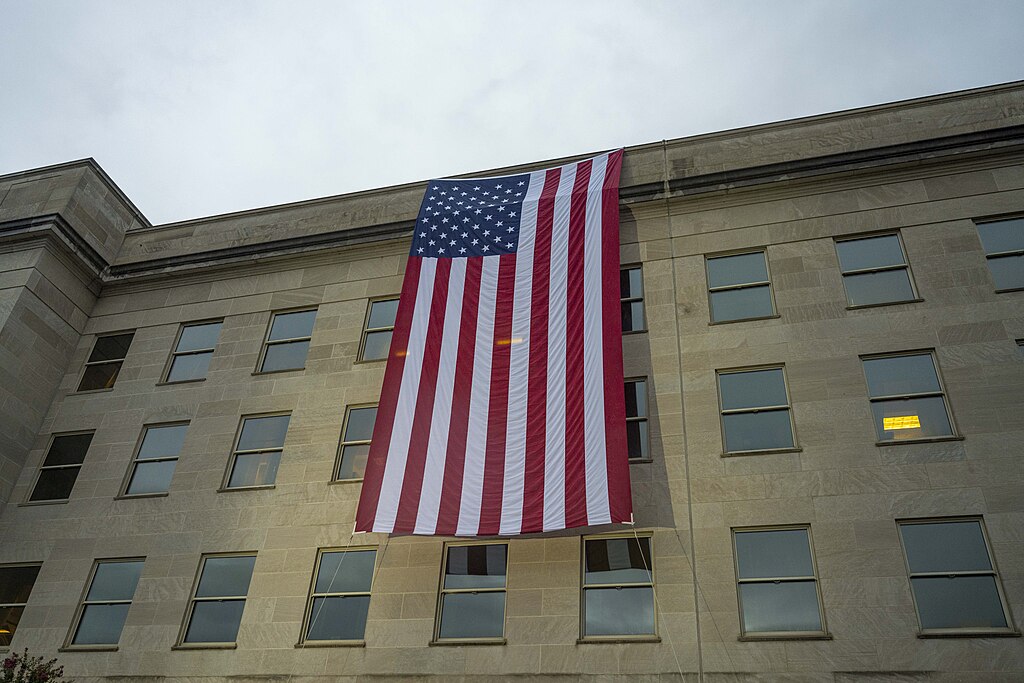
The U.S. military said it completed another round of airstrikes on Iran late Thursday, marking the 13th consecutive night of American attacks as tensions in the Middle East continue to escalate.
According to the U.S. Central Command (CENTCOM), the latest operation lasted more than two hours and targeted a range of Iranian military assets. The strikes focused on command centers, drone storage facilities, communication networks, coastal surveillance sites, and maritime capabilities. CENTCOM said the objective was to further reduce Iran's ability to threaten civilian mariners and commercial shipping passing through the Strait of Hormuz, one of the world's most critical energy transit routes.
The latest military action follows President Donald Trump's warning of "major military punishment" against Iran and its Houthi allies after the Iran-backed Yemeni group attacked two Saudi oil tankers in the Red Sea. The incident expanded the conflict to a second key maritime chokepoint, adding to growing concerns over global energy supplies and regional security.
Iran has already blocked the Strait of Hormuz, intensifying fears of prolonged disruptions to international oil shipments. The current U.S.-Israeli military campaign against Iran began on February 28, prompting Tehran to launch retaliatory strikes against Israel and Gulf nations hosting U.S. military bases. Since then, the conflict has widened, with U.S.-Israeli operations in Iran and Israeli attacks in Lebanon reportedly killing thousands of people and displacing millions.
Trump has also warned that the United States could target Iran's energy infrastructure and major bridges if hostilities continue. Iranian officials have responded by threatening to strike regional oil, gas, electricity, and other economic facilities should Washington carry out those attacks.
The possibility of targeting civilian infrastructure has drawn international legal scrutiny. The 1949 Geneva Conventions prohibit attacks on facilities considered essential to civilian survival during armed conflict. Several U.S.-based international law experts said in April that attacks on such infrastructure could constitute war crimes. Trump's earlier remarks threatening to destroy Iran's entire civilization also sparked widespread international condemnation.







