


 Trump Administration Imposes New Forced Labor Tariffs on 60 Trading Partners
  US, Solomon Islands Deepen Ties as Peace Corps Set to Return After 25 Years
  BOJ Seen Holding Rates at 1% While Keeping Inflation Risk Warning
  Trump Pushes Election Security Message at Georgia Rally Ahead of Midterm Senate Race
  EEOC Drops Penn Subpoena in Antisemitism Probe, Investigation Continues
  US Dollar Climbs to Weekly High as Middle East Tensions Lift Treasury Yields and Safe-Haven Demand
  Oil Prices Head for Weekly Surge as Red Sea Attacks and Kazakhstan Supply Cuts Raise Disruption Fears
  US-Iran War Enters 11th Day as Costs Climb to $37.5 Billion, Trump Warns of More Strikes
  Asian Stocks Slide as Oil Tops $100, Middle East Conflict Fuels Inflation Fears
  Russia Says It Hit Ukrainian Ports, Cargo Ships in Odesa and Chornomorsk
  Brent Oil Holds Above $100 as Red Sea Attacks, Iran Conflict Threaten Global Supply
  US Plans Closer Coordination With Erik Prince-Linked Security Firm in Haiti Amid Drone Strike Concerns
  Canada Vows Trade Fight as Trump Imposes 50% Tariffs
  India FMCG Q1 Earnings Preview: Higher Input Costs Likely to Weigh on Profit Margins
  Arizona Primaries Set High-Stakes Governor and House Battles Ahead of Midterm Elections
  US Stock Exchanges Face Earnings Test as Trading Boom Meets Crypto Competition
  US Military Completes 13th Straight Night of Iran Strikes as Trump Warns of Further Action


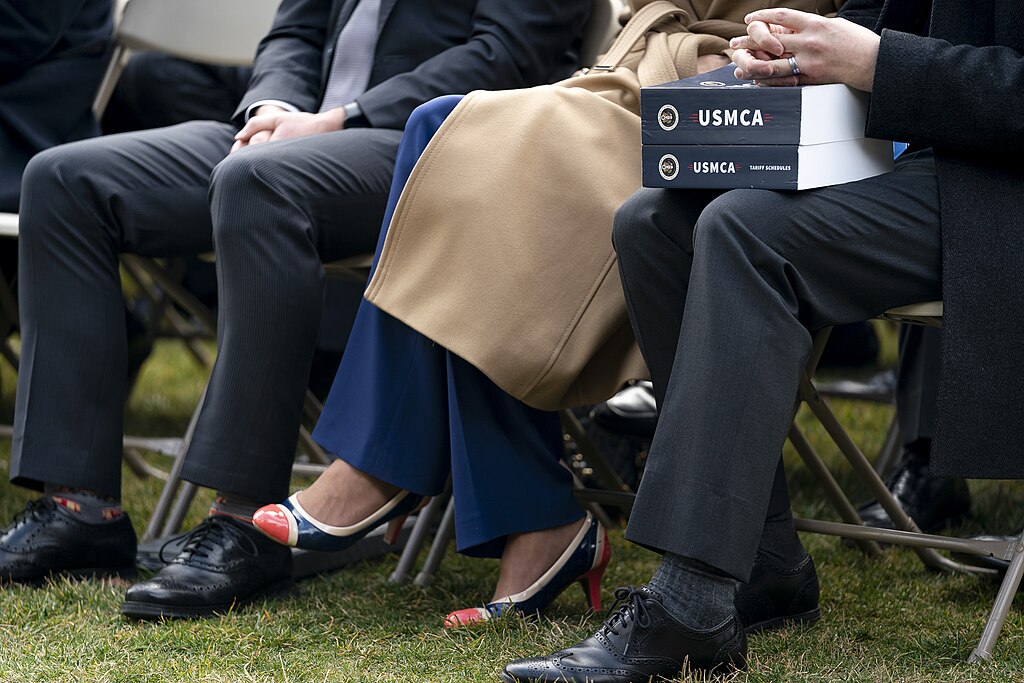
The United States and Mexico will hold a fourth round of negotiations in Washington in early September as both countries continue efforts to revise the U.S.-Mexico-Canada Agreement (USMCA), despite significant disagreements over automotive trade rules and tariffs.
The latest discussions followed a third round of meetings between U.S. Trade Representative Jamieson Greer, Mexican President Claudia Sheinbaum, and Economy Minister Marcelo Ebrard. According to a joint statement, the talks covered key issues including the automotive sector, economic security, labor, agriculture, electronic payment services, and steel and aluminum trade.
Both governments emphasized the need to strengthen North American manufacturing, improve regional supply chains, and reduce dependence on non-member countries such as China. Ebrard described the discussions as constructive, noting progress on steel, aluminum, and efforts to replace imports from Asia.
However, major differences remain unresolved. One of the biggest obstacles is Washington’s proposal requiring vehicles to contain at least 50% U.S.-made content to qualify for preferential market access under the trade agreement. Mexican officials have firmly rejected the idea, arguing that even a minimal country-specific requirement could create a precedent for stricter future demands.
Current USMCA rules require vehicles to contain 75% North American content to receive duty-free treatment, with 40% of production completed by workers earning at least $16 per hour. The agreement does not require a fixed percentage of content from any single country.
Mexico is also pressing the United States to reduce Section 232 national security tariffs, including the 25% tariff on automobiles and the 50% tariff on steel and aluminum imports from Mexico and Canada. President Donald Trump has shown no indication that his administration intends to ease those duties. As a result, Mexican automakers remain at a cost disadvantage compared with manufacturers from Japan, South Korea, and the European Union, which face a 15% tariff without regional content requirements.
The Trump administration chose not to extend the USMCA on July 1, beginning a 10-year countdown that could ultimately phase out the agreement if revisions are not finalized. Greer recently told lawmakers he hopes to secure interim trade deals with Mexico and Canada this year while addressing more complex issues, including automotive content, labor, and environmental standards, during negotiations in 2027. Former Congressman Kevin Brady said each negotiating round continues to move the process forward and believes the talks remain on a positive track.







