


 Dominican Republic Halts GoldQuest Mining Project Amid Environmental Protests
  New York Moves to Ban Masked Law Enforcement During Immigration Operations
  Iran Military Readiness Intensifies After Meeting With Mojtaba Khamenei
  Australia’s Wealthy Donors Shift Support to One Nation Amid Conservative Party Decline
  FEMA Reinstates Employees After Dissent Letter, Signaling Shift in Workforce Stability
  U.S.-China Beef Trade Deal Hopes Rise Ahead of Trump-Xi Summit
  Russia Accuses Ukraine of Ceasefire Violations Amid Drone and Artillery Attacks
  Senate Stablecoin Bill Sparks Clash Between Banks and Crypto Industry
  China Banks Halt New Loans to Sanctioned Refineries Amid U.S.-Iran Oil Crackdown
  Australia Launches Public Hearings on Bondi Beach Shooting and Rising Antisemitism
  Trump Administration Dismisses Entire National Science Board, Raising Concerns Over Scientific Independence
  White House Withdraws Trump’s National Park Service Nominee Amid Criticism
  Germany Rejects Putin’s Proposal for Schroeder to Mediate Ukraine Peace Talks
  Trump Announces Russia-Ukraine Ceasefire for May 9-11 Amid Ongoing Peace Talks
  Israeli Strikes in Gaza Kill Three as Ceasefire Tensions Continue
  TikTok Nears $400 Million Settlement With Trump Administration Over Child Privacy Lawsuit
  Israel’s Secret Iraq Base Allegedly Supported Iran Air Campaign, WSJ Reports


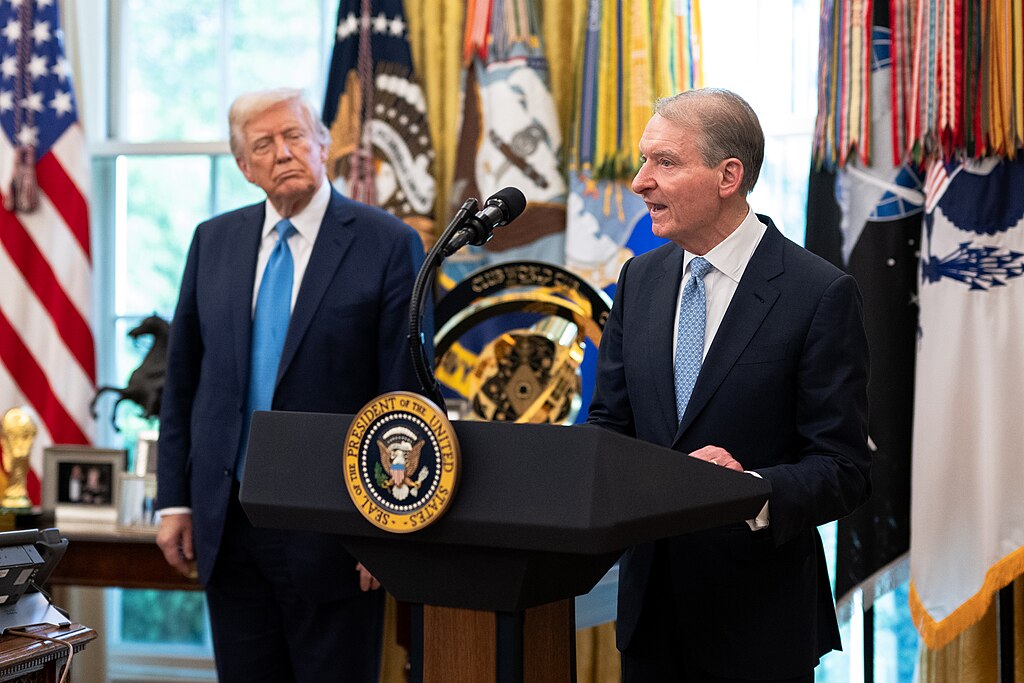
U.S. Securities and Exchange Commission (SEC) Chairman Paul Atkins has reaffirmed his commitment to keeping financial regulation at a minimum while supporting a major change in corporate reporting requirements. In an opinion piece for the Financial Times, Atkins emphasized that the SEC would aim to administer only the “minimum dose” of regulation necessary to maintain fair and transparent markets.
One of the key initiatives he highlighted is the push to accelerate President Donald Trump’s proposal to end the long-standing practice of quarterly corporate reporting. Instead, companies would be given the option to issue financial reports on a semi-annual basis. The move, according to proponents, would ease the administrative burden on businesses, reduce costs, and allow executives to focus more on long-term growth strategies rather than short-term earnings pressure.
Quarterly reporting has long been criticized for fostering a short-term mindset on Wall Street, where investors and analysts scrutinize every three-month earnings report. By shifting to a six-month reporting schedule, Atkins argues that companies will have more breathing room to invest in innovation, strengthen competitiveness, and create sustainable shareholder value.
While the proposal has sparked debate, with some investors concerned that less frequent reporting could reduce market transparency, Atkins underscored that the SEC’s approach would still prioritize accountability and investor protection. He noted that companies choosing the semi-annual option would remain subject to strict disclosure rules and oversight.
The push for regulatory reform and flexible reporting standards reflects the broader agenda of the Trump administration to reduce red tape for U.S. businesses. If implemented, this change could mark one of the most significant shifts in American corporate governance in decades.
Atkins’ remarks highlight the SEC’s balancing act between ensuring market integrity and giving companies the flexibility they need to thrive in an increasingly competitive global economy.







