


 Meta CEO Zuckerberg Says AI Agent Development Has Slowed Despite Massive AI Investment
  Suncorp Cuts 2026 Premium Growth Forecast as Australia, New Zealand Markets Weaken
  LG Energy Solution Q2 Profit Plunges 77% Despite Revenue Growth on Weak EV Demand
  easyJet Agrees in Principle to £5.23 Billion Castlelake Takeover Offer
  DOJ Orders Crackdown on Birth Tourism After Supreme Court Upholds Birthright Citizenship
  Supreme Court Backs Lisa Cook, Defends Federal Reserve Independence Against Trump Firing Attempt
  SpaceX Stock Draws Bullish Wall Street Coverage Ahead of Nasdaq-100 Inclusion
  Meta Cloud Ambitions Could Challenge AWS, Azure, and Google Cloud, Says Morgan Stanley
  BHP Workers Approve New Labour Agreement at WA Iron Ore Operations
  Lockheed Martin, Rheinmetall Plan First ATACMS Missile Production in Germany
  Fiserv Explores Sale of STAR Payments Network as Major U.S. Banks Show Interest
  Texas Man Charged After Fatal Tesla Full Self-Driving Crash in Katy
  US Judge Seeks Explanation for DOJ’s Decision to Drop Gautam Adani Bribery Case
  Norway Offshore Oil Workers Reach Wage Deal, Averting Strike
  Pedro Sanchez’s Wife Ordered to Stand Trial in Spain Corruption Case


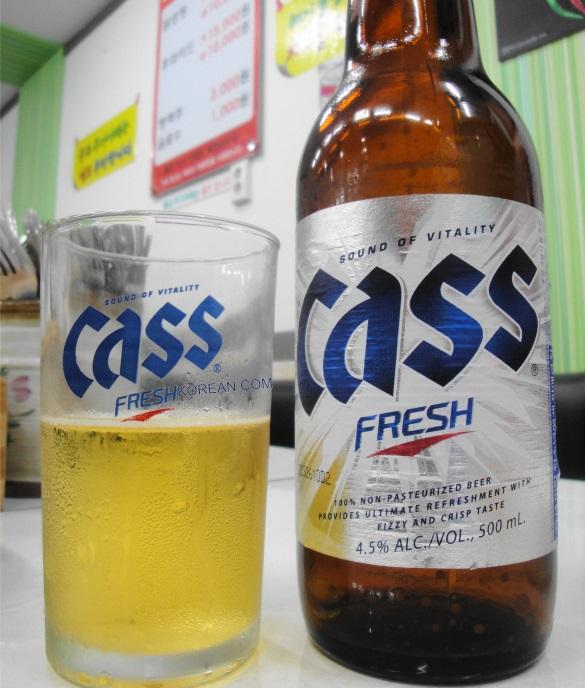
South Korea will ease regulations on selling alcoholic drinks to help local producers compete against foreign firms.
Under the deregulatory move, local companies will have the green light to produce alcoholic drinks under an original equipment manufacturer contract.
Also to be abolished is the requirement for producers of beer and "makgeolli," a Korean rice brew, to notify the government of their price changes.
Sales by producers of traditional alcoholic drinks to foreign tourists will also be tax-exempt.
Between 2014 and 2018, South Korea 's production of alcoholic drinks fell annually by 0.5 percent, while the importation of alcoholic beverages rose 24.4 percent.
Local beer producers whose liquor tax averaged 848 won were also hampered by the preferential treatment received by beer importers who only had to pay 709 won.
Consequently, imported beers accounted for a larger market share in South Korea in recent years, estimated to be 20.2 percent of the local in 2018, up from 8.5 percent in 2015.
In January, South Korea changed the tax system to be based on value rather than an ad valorem, uniformly levying 830.3 won in tax per liter of either local or imported beer while collecting 41.7 won per liter of makgeolli.







