


 DOJ Orders Crackdown on Birth Tourism After Supreme Court Upholds Birthright Citizenship
  Fortescue Faces Class Action Over Sexual Harassment Claims at Australian Mining Sites
  Texas Man Charged After Fatal Tesla Full Self-Driving Crash in Katy
  France Battles Mediterranean Wildfires as Heatwave Fuels Fire Risk
  In a rebuke to Trump, the Supreme Court rules that birthright citizenship is the law of the land
  UN Rights Council Launches Sudan Probe Over RSF Violence in al-Obeid
  US Ambassador Prioritizes Cook Islands Critical Minerals, Warns of China’s Pacific Influence
  DOJ Clears Paramount Skydance-Warner Bros. Discovery Merger Without Conditions
  Pedro Sanchez’s Wife Ordered to Stand Trial in Spain Corruption Case
  Sara Duterte Impeachment Trial Opens, Putting 2028 Philippine Election in Focus
  Amy Coney Barrett Faces Conservative Backlash After Key Supreme Court Rulings Against Trump
  Bayer Wins Major U.S. Supreme Court Roundup Lawsuit, Shares Surge
  Trump Orders DOJ Investigation Into Exxon, Chevron Over High Gas Prices
  Russia Strikes Kyiv as Ukraine Faces Patriot Missile Shortage Before NATO Summit
  Kim Jong Un Oversees North Korea Destroyer Missile Tests, Orders Rapid Naval Deployment
  FIFA Suspends Balogun Ban, Clears U.S. Striker for Belgium World Cup Clash
  Zelenskiy Urges Trump’s Support to Help End Russia-Ukraine War


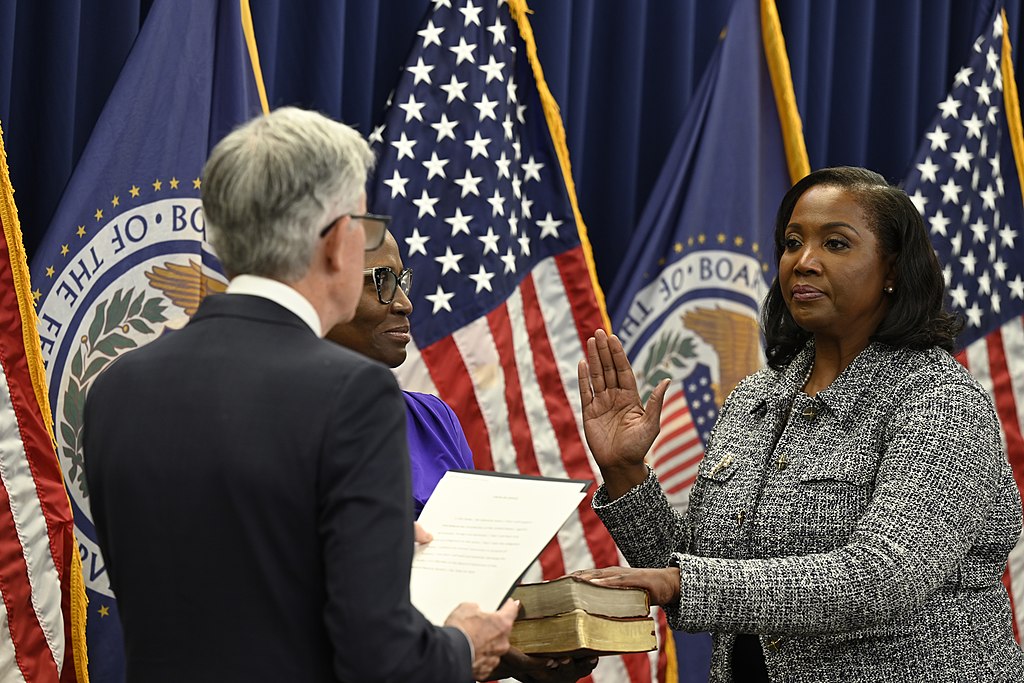
U.S. Supreme Court justices on Wednesday signaled strong skepticism toward President Donald Trump’s unprecedented effort to remove Federal Reserve Governor Lisa Cook, raising serious questions about presidential power and the independence of the central bank. During nearly two hours of oral arguments, both conservative and liberal justices indicated they were unlikely to grant the Trump administration’s request to lift a lower court order blocking Cook’s immediate dismissal while her legal challenge proceeds.
Since the Federal Reserve was established in 1913, no U.S. president has attempted to fire a sitting Fed governor, making this case historically significant. The justices grappled with complex legal issues that lack clear precedent, including what qualifies as “cause” for removal under federal law and whether due process protections apply to Fed officials. Their questions reflected unease about the broader economic and institutional consequences of allowing a president to remove a central bank official based on disputed allegations.
Trump has sought to oust Cook over claims of mortgage fraud, allegations she has denied and which stem from actions that allegedly occurred before she joined the Fed. Several justices expressed concern that Cook was not given formal notice or a meaningful opportunity to respond before the president announced her firing on social media. Conservative Justice Brett Kavanaugh warned that the administration’s position could “shatter” the Federal Reserve’s independence by allowing presidents to rely on weak or unproven accusations to remove officials they disagree with on monetary policy.
Lower courts have already found Trump’s actions likely violated Cook’s Fifth Amendment due process rights and failed to meet the legal standard for removing a Fed governor. Chief Justice John Roberts and others also questioned the administration’s claim that the president’s determination of “cause” is beyond judicial review.
Cook, appointed in 2022 and the first Black woman to serve as a Fed governor, said the case ultimately concerns whether U.S. interest rate policy will be guided by independent judgment or political pressure. A Supreme Court decision is expected by the end of June, with potentially far-reaching implications for presidential authority, central bank independence, and the future balance of power in U.S. economic governance.







