


 Central Banks Could Buy 20,000 Tonnes of Gold: BofA
  Asian Stocks Fall as Bond Yields and Oil Prices Surge
  South Korea Exports Set for 16th Monthly Gain on AI Chip Demand
  Dollar Hits Three-Month High as US Treasury Yields Surge
  Fed Unveils Stablecoin Rules Under GENIUS Act
  Japan Factory Output Unexpectedly Falls 1.7% in August
  U.S. Stock Futures Steady as AI, Rate Concerns Weigh
  South Korea Exports Surge 83.5% on AI Chip Boom
  Fed’s Hammack Says Bond Yield Surge Is Not Driven by Inflation Fears
  BOJ Raises Interest Rate to 31-Year High as Yen Weakens
  Oil Prices Slide as Middle East Flows Recover
  Gold Holds Near Seven-Week Low as Fed Rate Hike Bets Rise
  US Alcohol Ban Exposes Canada’s Internal Trade Barriers


 Add as a preferred source on Google
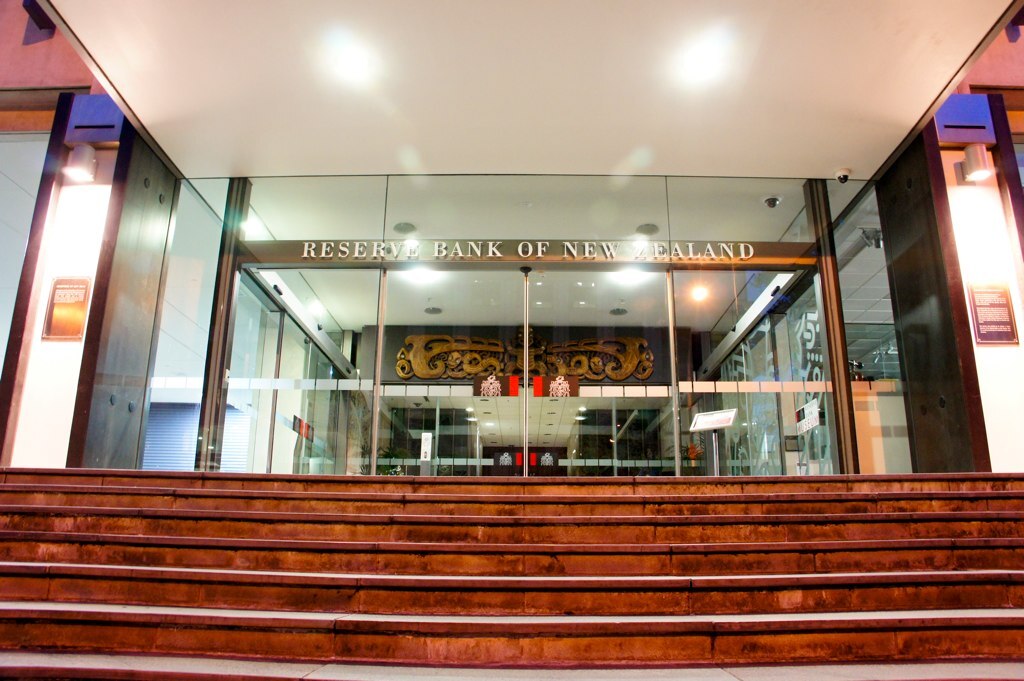
New Zealand’s central bank is expected to cut its official cash rate (OCR) by 25 basis points to 3.50% this Wednesday, responding to growing global economic uncertainty fueled by new U.S. tariffs. All 31 economists in a Reuters poll predicted the Reserve Bank of New Zealand (RBNZ) would move ahead with the cut, marking a total reduction of 175 basis points since August last year.
The RBNZ had previously signaled potential rate cuts in April and May, contingent on evolving economic conditions. However, recent events—particularly the U.S. announcement of sweeping tariffs, including a 10% tariff on New Zealand goods—have heightened fears of a global recession. As New Zealand’s second-largest export destination, U.S. trade policy changes could significantly affect the local economy.
Markets now anticipate the OCR could fall to 2.75% in the coming months, below last week’s forecast of 3%. The NZX-50 index has dropped 4.4% since the tariff announcement, and the New Zealand dollar has weakened by 4.1%, now trading at US$0.5560.
Stephen Toplis, Head of Research at Bank of New Zealand, emphasized the importance of consistency from the RBNZ, though he acknowledged that the bank’s forward guidance may shift in light of global instability. As the first central bank to meet following the tariff news, the RBNZ’s response could set the tone for others.
Westpac chief economist Kelly Eckhold noted that financial volatility could tighten conditions further, reinforcing the case for continued rate cuts and an ongoing easing bias. While the direct impact of U.S. tariffs on New Zealand exports may be limited, reduced growth in key trading partners like China and Australia poses medium-term risks to export demand and economic performance.







