


 TrumpRx.gov Highlights GLP-1 Drug Discounts but Offers Limited Savings for Most Americans
  Israel Approves West Bank Measures Expanding Settler Land Access
  Paul Atkins Emphasizes Global Regulatory Cooperation at Fintech Conference
  Japan’s Prime Minister Sanae Takaichi Secures Historic Election Win, Shaking Markets and Regional Politics
  Trump Lifts 25% Tariff on Indian Goods in Strategic U.S.–India Trade and Energy Deal
  Nicaragua Ends Visa-Free Entry for Cubans, Disrupting Key Migration Route to the U.S.
  New York Legalizes Medical Aid in Dying for Terminally Ill Patients
  Sydney Braces for Pro-Palestine Protests During Israeli President Isaac Herzog’s Visit
  Trump Extends AGOA Trade Program for Africa Through 2026, Supporting Jobs and U.S.-Africa Trade
  Federal Judge Blocks Trump Administration Move to End TPS for Haitian Immigrants
  Minnesota Judge Rejects Bid to Halt Trump Immigration Enforcement in Minneapolis
  Trump Administration Expands Global Gag Rule, Restricting U.S. Foreign Aid to Diversity and Gender Programs
  India–U.S. Interim Trade Pact Cuts Auto Tariffs but Leaves Tesla Out
  Trump Allows Commercial Fishing in Protected New England Waters
  Trump Congratulates Japan’s First Female Prime Minister Sanae Takaichi After Historic Election Victory
  Trump to Announce New Federal Reserve Chair Pick as Powell Replacement Looms
  Anutin’s Bhumjaithai Party Wins Thai Election, Signals Shift Toward Political Stability


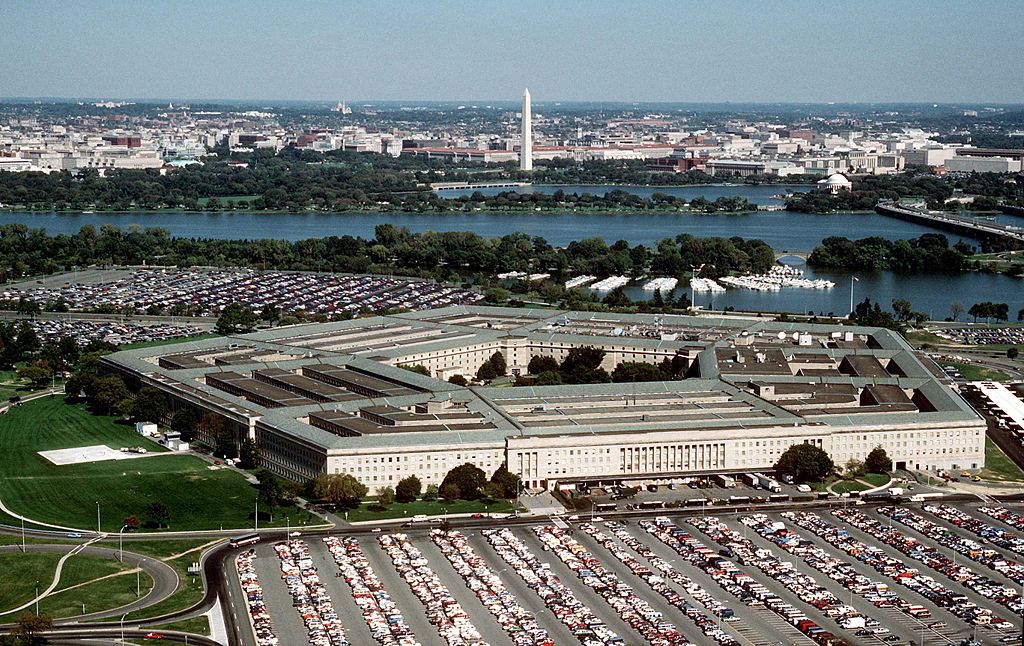
U.S. Secretary of Defense Pete Hegseth has issued a new directive requiring Pentagon staff to seek permission before engaging with members of Congress, according to a department memo and a congressional aide. The policy, first revealed by Breaking Defense, underscores the Pentagon’s growing efforts to manage information flow within the world’s most powerful military.
The memo, dated October 15, states that the “Department of War” must maintain a unified message when interacting with lawmakers. It emphasizes the need for “coordination and alignment of Department message when engaging with Congress to ensure consistency and support for the Department’s priorities to re-establish deterrence, rebuild our military, and revive the warrior ethos.”
The renaming of the Defense Department to the Department of War—announced by President Donald Trump—remains pending congressional approval. If enacted, it would mark one of the most significant bureaucratic shifts in U.S. defense history, symbolizing a more assertive military posture.
Pentagon spokesman Sean Parnell described the move as a “pragmatic step” designed to review and streamline internal communication processes, stressing that the memo “does not change how or from whom Congress receives information.”
Lawmakers serving on defense committees have already been informed of the directive, according to congressional aides. The change follows recent developments that have raised transparency concerns, including new press restrictions that forced dozens of Pentagon journalists to vacate their offices and surrender credentials.
This tightening of communication channels reflects the administration’s broader push to centralize control over defense-related information. Critics argue it could limit oversight, while supporters claim it will strengthen message discipline and national security cohesion.













