


 Trump Meets King Charles: “Two Kings” Moment Sparks Debate on Presidential Power
  Trump-Iran War Strategy: U.S. Intelligence Weighs Risks of Declaring Victory
  US Ties UN Funding to Reforms and Efforts to Counter China’s Influence
  Ghana Rejects U.S. Health Deal Over Data Sharing Concerns Amid Foreign Aid Shift
  Trump Skeptical of Iran Hormuz Proposal as Nuclear Talks Stall
  Federal and State Authorities Conduct Widespread Fraud Raids Across Minnesota
  King Charles and Queen Camilla Visit the U.S. Amid Political Tensions and Historic Milestone
  Trump Urges Iran to Call for Talks as War Stalemate Disrupts Oil Markets
  Trump Signals Prolonged Blockade Strategy Against Iran Amid Rising Tensions
  White House Dinner Shooting Sparks Security Concerns and Succession Discussions
  Trump-Iran Conflict Escalates as Nuclear Talks Stall and Oil Prices Surge
  Man Charged in Alleged Trump Assassination Attempt at White House Correspondents’ Dinner
  King Charles Addresses U.S. Congress, Emphasizes UK-US Alliance Amid Political Tensions
  Republican Lawmakers Urge National Guard Role for World Cup Drone Security
  Trump Administration Dismisses Entire National Science Board, Sparking Debate Over Scientific Independence
  Kevin Warsh Advances Toward Fed Chair Role Amid Political Tensions
  King Charles Reaffirms UK-US Alliance Amid Global Tensions


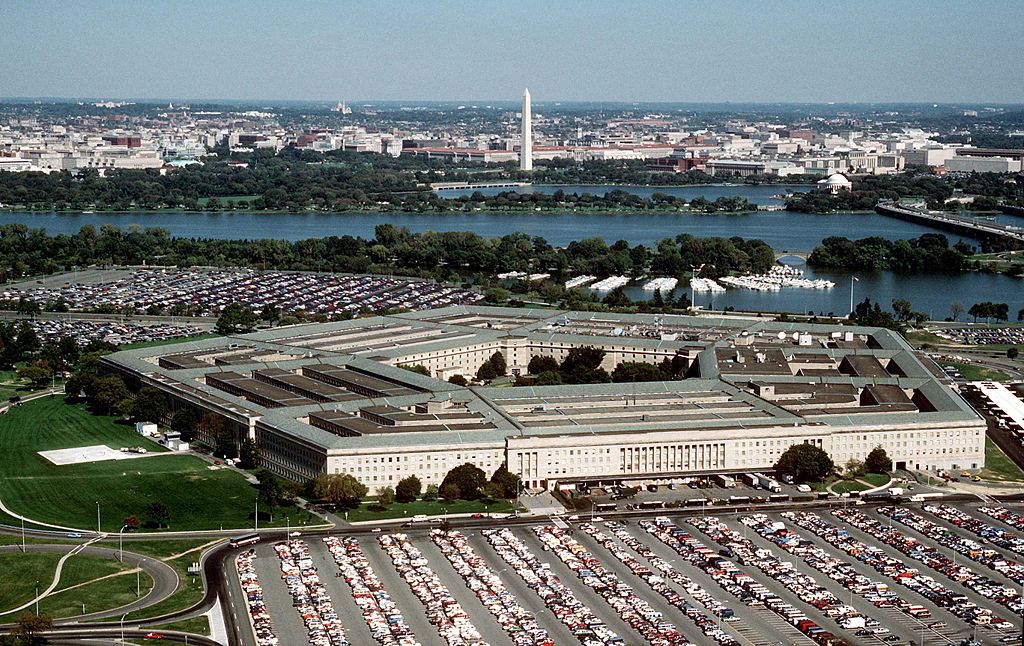
The Pentagon has outlined a shift in its defense posture on the Korean Peninsula, signaling a more limited U.S. role in deterring North Korea while South Korea assumes primary responsibility. This approach is detailed in the latest National Defense Strategy, a key Pentagon policy document released on Friday, and is likely to prompt concern in Seoul.
South Korea currently hosts around 28,500 U.S. troops as part of a combined defense arrangement aimed at countering North Korea’s military threat. In parallel, Seoul has steadily expanded its own defense capabilities, including a 7.5% increase in its defense budget this year. According to the Pentagon, South Korea is now capable of taking the lead in deterrence efforts, supported by “critical but more limited” U.S. involvement.
The document states that this rebalancing aligns with U.S. interests in updating its force posture on the Korean Peninsula. In recent years, U.S. officials have indicated a desire to make American forces in South Korea more flexible, allowing them to respond to a wider range of regional challenges beyond North Korea, such as rising tensions over Taiwan and China’s expanding military influence in the Indo-Pacific.
While South Korea has resisted proposals to redefine the role of U.S. troops, it has invested heavily over the past two decades to strengthen its military. The country now maintains about 450,000 active-duty troops and aims to eventually assume wartime operational control of combined U.S.–South Korean forces.
The National Defense Strategy emphasizes that the Pentagon’s top priority remains defending the U.S. homeland. In the Indo-Pacific, the focus is on preventing China from dominating the United States or its allies. The document notes that this objective does not require regime change, but rather a “decent peace” acceptable to both Washington and Beijing.
Although Taiwan is not explicitly mentioned, the strategy comes amid ongoing tensions over the island, which China claims as its territory. Taiwan rejects those claims, underscoring the broader regional implications of the Pentagon’s evolving defense strategy.







