


 Iran Accuses U.S. of Violating Strait of Hormuz Ceasefire with Ship and Coastal Attacks
  US Launches Retaliatory Strikes on Iran Amid Rising Strait of Hormuz Tensions
  Australia Targets Meta, Google, and TikTok With New News Payment Tax Proposal
  FEMA Reinstates Employees After Dissent Letter, Signaling Shift in Workforce Stability
  China-Made Fireworks Power U.S. Independence Day Celebrations Amid Trade Truce
  Federal and State Authorities Conduct Widespread Fraud Raids Across Minnesota
  US to Withdraw 5,000 Troops from Germany Amid Growing Rift with European Allies
  TikTok Nears $400 Million Settlement With Trump Administration Over Child Privacy Lawsuit
  Google Secures Pentagon AI Deal for Classified Projects
  Lula and Trump Talks Signal New Phase in Brazil-US Relations
  Vietnam Plans AI-Driven Propaganda Push With Influencers and Podcasts
  US Sanctions Target Iran’s Shadow Banking Network and Terror Financing
  Trump Administration Dismisses Entire National Science Board, Sparking Debate Over Scientific Independence
  Israel’s Secret Iraq Base Allegedly Supported Iran Air Campaign, WSJ Reports
  Trump-Xi Beijing Summit to Focus on Trade, Taiwan, and Boeing Deal
  Trump Inspects Lincoln Memorial Reflecting Pool Renovation in Washington
  Judge Rules DOGE Humanities Grant Cuts Unconstitutional


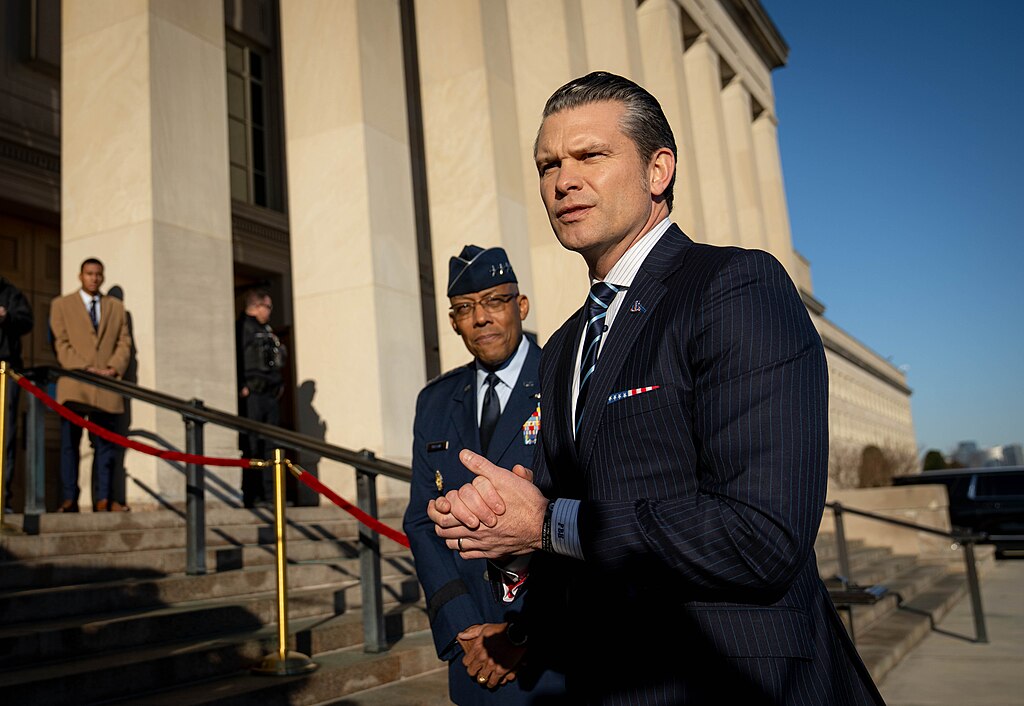
U.S. Defense Secretary Pete Hegseth has dismissed several members of Department of Defense advisory committees following a comprehensive 45-day internal review, according to a statement released Thursday by Pentagon spokesperson Sean Parnell.
The move reflects a significant realignment within the Defense Department, aimed at aligning its advisory groups with evolving strategic goals and national defense priorities. Parnell stated that while the department is grateful for the service and insights provided by the outgoing committee members, the leadership determined that a restructuring was necessary to enhance operational efficiency and better utilize departmental resources.
“Secretary Hegseth appreciates the members’ efforts on behalf of the department and the United States of America, but changes are needed to support the new strategic direction and policy priorities,” the statement read.
The Defense Department advisory committees play a key role in shaping military policy and long-term planning, offering independent advice on a range of national security issues. Their restructuring signals the Pentagon’s intent to streamline its operations and integrate fresh perspectives in line with current defense strategies.
This decision comes amid broader efforts by the Biden administration’s Pentagon leadership to modernize the military and prioritize emerging threats such as cyber warfare, artificial intelligence, and geopolitical shifts involving Russia and China.
The Department of Defense did not release the names of those removed or specify which advisory panels were affected. However, the change is expected to pave the way for new appointments that reflect the administration’s defense outlook and evolving military landscape.
With this overhaul, the Pentagon aims to ensure its advisory bodies remain agile, relevant, and aligned with the United States’ global security objectives. The shakeup underscores a commitment to innovation and adaptability in an increasingly complex international security environment.







