


 U.S.-India Trade Framework Signals Major Shift in Tariffs, Energy, and Supply Chains
  Netanyahu to Meet Trump in Washington as Iran Nuclear Talks Intensify
  Jack Lang Resigns as Head of Arab World Institute Amid Epstein Controversy
  Ohio Man Indicted for Alleged Threat Against Vice President JD Vance, Faces Additional Federal Charges
  U.S. to Begin Paying UN Dues as Financial Crisis Spurs Push for Reforms
  TrumpRx Website Launches to Offer Discounted Prescription Drugs for Cash-Paying Americans
  Trump Backs Nexstar–Tegna Merger Amid Shifting U.S. Media Landscape
  New York Legalizes Medical Aid in Dying for Terminally Ill Patients
  India–U.S. Interim Trade Pact Cuts Auto Tariffs but Leaves Tesla Out
  Pentagon Ends Military Education Programs With Harvard University
  Trump Allows Commercial Fishing in Protected New England Waters
  Nighttime Shelling Causes Serious Damage in Russia’s Belgorod Region Near Ukraine Border
  Japan Election 2026: Sanae Takaichi Poised for Landslide Win Despite Record Snowfall
  Trump Says “Very Good Talks” Underway on Russia-Ukraine War as Peace Efforts Continue
  Trump’s Inflation Claims Clash With Voters’ Cost-of-Living Reality
  Federal Judge Restores Funding for Gateway Rail Tunnel Project
  Trump Signs “America First Arms Transfer Strategy” to Prioritize U.S. Weapons Sales


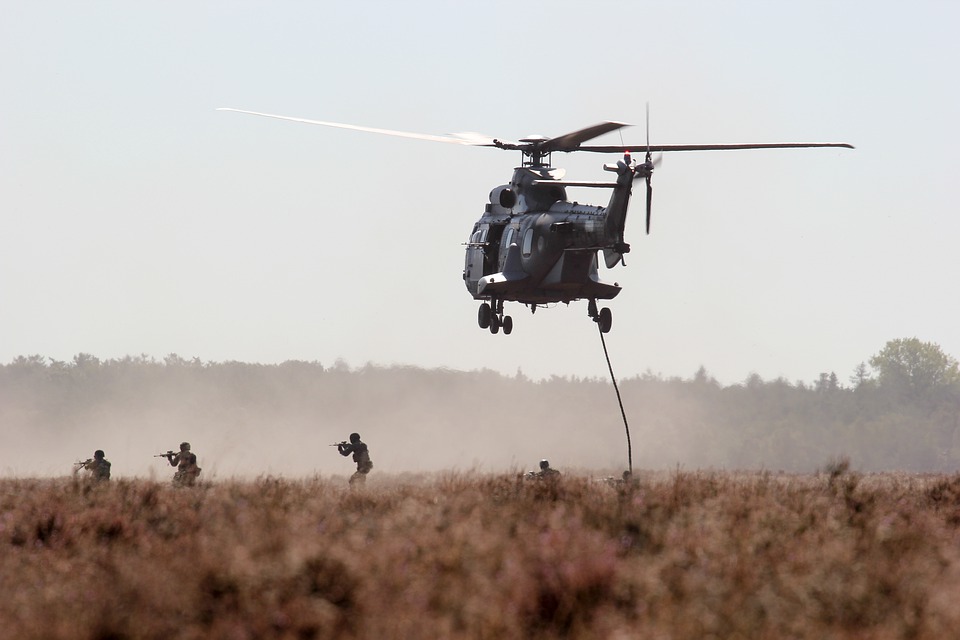
The Taliban’s resurgence and eventual control of Afghanistan saw the insurgent group’s conflicts with its rivaling groups escalate in recent weeks. In a move towards possible peace, Pakistan’s authorities have agreed to a one-month truce between the insurgent group.
Pakistani officials and the Taliban had committed to a one-month ceasefire following discussions that started when the insurgent group took control of Afghanistan back in August. The ceasefire would open the possibility of lasting peace that would end years of bloody conflict between both sides. Pakistan’s Information Minister Fawad Chaudry issued a statement, saying that the ceasefire would extend as discussions continue.
“The government of Pakistan and banned Tehreek-e-Taliban Pakistan have agreed on a complete ceasefire,” said Chaudry, referring to the separate Taliban movement from the Afghan Taliban that has fought to overthrow the Pakistani government. This version of the Taliban movement, also known as TTP, is placed on the list of foreign terrorist organizations by the US State Department.
The Afghan Taliban was known for their hardline approach to governing Afghanistan from 1996 to 2001. Since taking control of Afghanistan following the collapse of the western-backed Afghan government in August, the insurgent group has pledged to govern differently in the hopes of gaining international recognition. The group has yet to make good on the reforms that the international community has demanded, including having an inclusive government.
In other related news, following the withdrawal by the US and other western forces in the region, many Afghans have expressed fear regarding another Taliban regime in place. According to a report by Al Jazeera, there are Afghans in the more rural parts of the country who believe that the insurgent group’s rule could indeed bring lasting peace to years of military conflict as well as an end to the corruption.
Despite bringing forward democracy during the US occupation of Afghanistan as well as freedoms, especially for women and girls, the nation was still struggling with corruption. Government institutions in Afghanistan have been plagued by allegations of vote-rigging and corruption, and the justice system at the time was also not as effective as its citizens would have hoped.
Foreign troops were also facing accusations of conspiring with warlords, abusing Afghan citizens, and disrespecting Afghan customs.













