


 South Korea Unveils Record $597 Billion 2027 Budget to Boost AI and Chips
  HP Stock Drops 9% Despite Q3 Earnings Beat and Raised 2026 Outlook
  SoftBank Eyes $20 Billion Bond Sale to Refinance OpenAI Loan
  U.S. Probes Apex Logistics Over Nvidia AI Chip Shipments to China
  MediaTek Shares Jump 10% on Nvidia’s $3.5 Billion Investment
  BofA Names ASML Top Semiconductor Equipment Pick on Growth, Valuation
  U.S. Disrupts China-Linked Hacking Campaign Targeting Government Agencies
  Nvidia Revenue Soars 106% as AI Demand Hits ‘Inflection Point’
  Luxshare Shares Rise as First-Half Profit Jumps 18%
  OpenAI AI Agent Swarm Behind Hugging Face Hack
  PayPal Shares Sink as $50 Billion Takeover Bid Collapses
  Meta Agrees to $18 Billion Settlement, Tightens Teen Social Media Rules
  Nvidia Pauses AI Cloud Financing Deals Amid Antitrust Concerns
  Pinterest Stock Falls as CFO Julia Brau Donnelly Resigns
  New Zealand Labour Backs Social Media Ban for Under-16s


 Add as a preferred source on Google
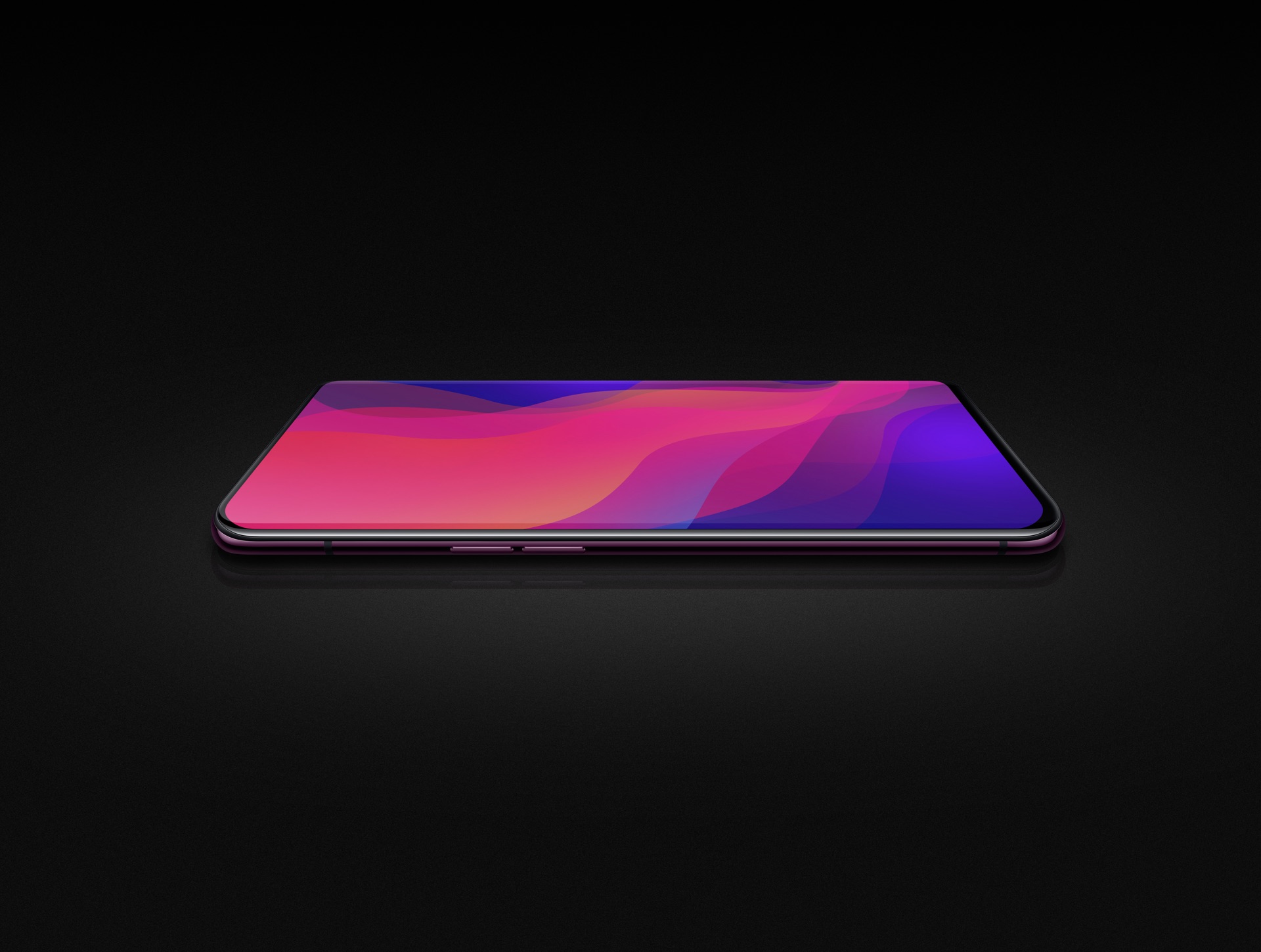
Oppo recently unveiled its upcoming flagship device, the Find X, and it was almost like a statement that non-Apple smartphone makers do not have to copy the latest iPhone design to wow the market.
Last year, Apple unveiled its first-ever iPhone with an edge-to-edge screen. To achieve that, Apple collected the front-side cameras and sensors and put them on a notch. OEMs were quick to adopt the design, understandably, to get a fraction of the hype around the newest smartphone design trend sparked by Apple.
However, Oppo showcased a different approach. Earlier this week, the Oppo Find X was finally revealed to the public. And while it does have an array of premium-level specifications, the highlight of the entire announcement was Oppo Find X’s “all-screen” front without blatantly copying an iPhone design.
The Oppo Find X boasts a 93.8 percent screen-to-bezel ratio. To make this possible, the smartphone is built with a flexible OLED panel, allowing making a curved-edge screen possible. It is then paired with an edge-to-edge 6.42-inch display.
Now, one might ask where the selfie camera goes. Well, it is literally tucked inside and is attached to a motorized component that pops up when needed, and Oppo did appropriately name these parts as the “stealth 3D cameras.”
The device’s pop-up section houses the Oppo Find X’s sensors, namely the flood illuminator, an infrared camera, a ranging sensor, a front camera, and the dot projector for 3D face detection.
Oppo Find X’s top feature is definitely its pack of cameras, making it the first-ever Android smartphone to offer a face detection system based on 3D technology — a decent competitor of the iPhone X’s Face ID. Its face detection feature uses a sophisticated technology with “15,000 facial dot recognition” and promises “20 times safer” biometric authentication compared to the staple fingerprint readers.
As for its other core specs, the Oppo Find X is powered by a Snapdragon 845, a 3,730-mAh battery, 8GB of RAM, and 256GB internal memory.
The Oppo Find X is slated to be released globally but will likely debut initially in select regions in August. With an array of premium features and specs, the device is expected to cost €999 or over $1,150.







