


 U.S. Stock Futures Steady as Markets Await Fed Rate Decision Amid Middle East Tensions
  U.S.-Iran War Escalates as Strait of Hormuz Crisis Threatens Global Oil Supply
  China's Economy Surges in Early 2026: Industrial Output and Retail Sales Beat Forecasts
  U.S. Futures Slip After Wall Street Rebound as Fed Decision Looms
  Asian Currencies Hold Steady Amid Iran Conflict and Fed Uncertainty
  Taiwan Central Bank Expected to Hold Interest Rates Steady Through 2027
  Dollar Steadies Near 10-Month High as Central Banks Prepare for Critical Rate Decisions
  Gold Prices Hold Above $5,000 as Central Bank Meetings and Iran War Stay in Focus
  Bank of Japan Holds Rates Steady Amid Iran War Inflation Fears
  RBA Raises Cash Rate to 4.10% in Closest Vote Since Transparent Voting Began
  Asia Stocks Rise Amid Central Bank Week and Middle East Tensions
  U.S.-China Trade Talks Resume in Paris Amid Rising Global Tensions
  Gold Prices Hold Steady Amid U.S.-Israel-Iran Conflict and Fed Rate Decision
  Oil Prices Retreat as U.S.-Iran Conflict Disrupts Global Energy Markets
  Asian Currencies Hold Steady as Oil Prices Surge Amid Middle East Tensions
  U.S.-Iran War Pushes Brent Crude Back Above $100 as Strait of Hormuz Tensions Persist


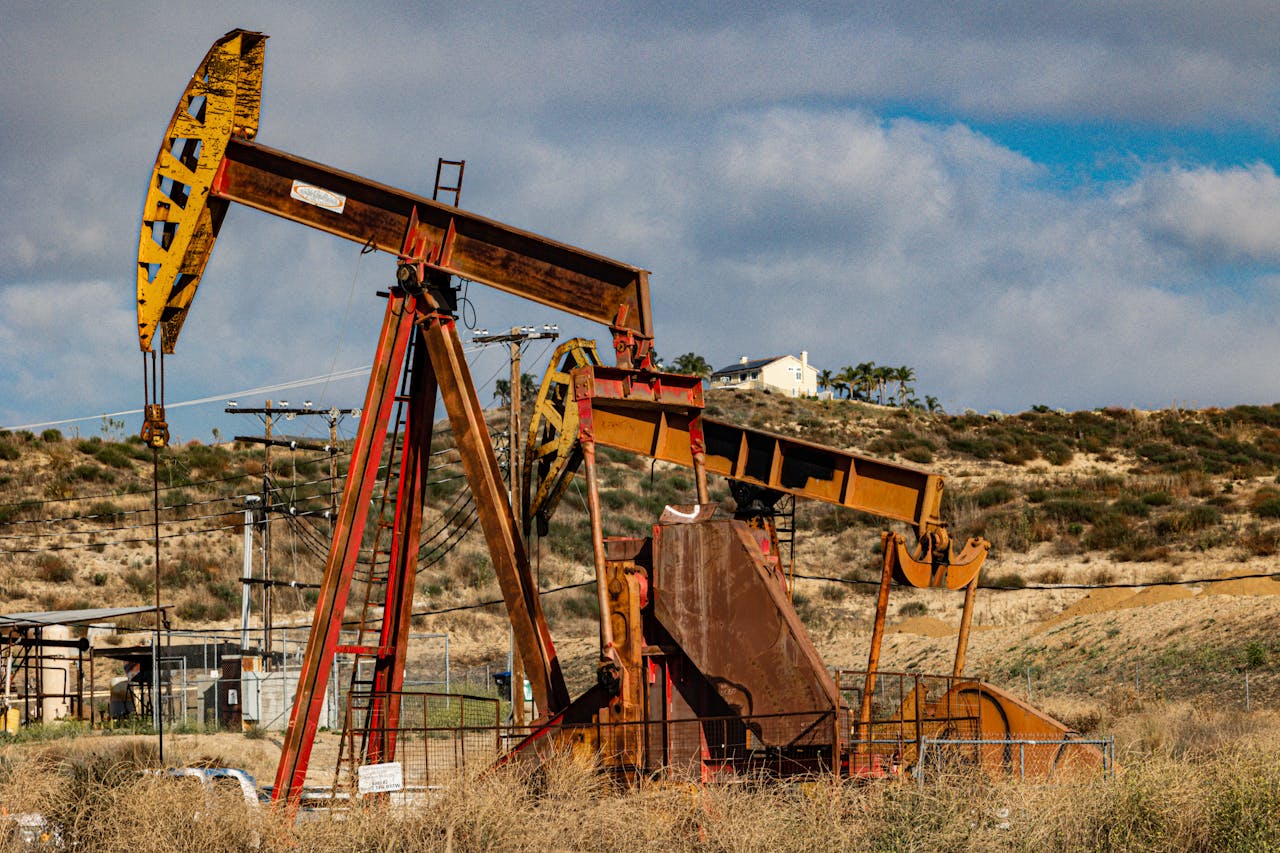
Global oil prices edged lower on Wednesday morning after data from the American Petroleum Institute revealed a significant build in U.S. crude stockpiles, putting downward pressure on markets already navigating complex geopolitical developments across the Middle East.
Brent crude futures slipped $1.15, or 1.11%, to $102.27 per barrel in early trading, while U.S. West Texas Intermediate fell $1.54, or 1.6%, settling at $94.67 per barrel. The decline came after API figures indicated that American crude inventories climbed by approximately 6.56 million barrels for the week ending March 13 — far exceeding a Reuters analyst poll that had projected a modest increase of around 380,000 barrels.
On the supply side, developments in the Middle East offered a mixed picture. Iraq's oil minister announced that Baghdad and the Kurdistan Regional Government struck a deal to resume crude exports through Turkey's Ceyhan energy hub, with flows expected to begin Wednesday morning. Meanwhile, Libya's National Oil Corporation confirmed that production at the Sharara oilfield continued uninterrupted after a fire prompted operators to reroute output through alternative pipelines, with no injuries reported.
Escalating tensions between Iran and Israel added another layer of uncertainty to global energy markets. Tehran confirmed the death of senior security official Ali Larijani, attributed to an Israeli strike, marking one of the most high-profile casualties since the onset of the U.S.-Israeli conflict. Separately, the U.S. military conducted strikes on Iranian coastal positions near the strategically vital Strait of Hormuz, citing threats to international shipping from Iranian anti-ship missiles.
Despite the heightened regional tension, some market analysts interpreted these developments as potential signals of a faster resolution to the conflict. Mingyu Gao, chief energy researcher at China Futures, noted that recent events near the Strait of Hormuz have sparked cautious optimism that hostilities could wind down sooner than anticipated.













