


 Gold Slides Below $4,300 as Oil Surge Fuels Fed Rate Hike Bets
  Japan Warns Markets Over Yen Weakness
  BlackRock’s Rick Rieder Favors Bonds Over Stocks as Treasury Yields Surge
  South Korea Exports Set for 16th Monthly Gain on AI Chip Demand
  Global Central Banks Brace for More Rate Hikes as Inflation Risks Rise
  Fed Unveils Stablecoin Rules Under GENIUS Act
  Fed’s Williams Signals One More Rate Hike Before Year-End
  U.S. Stock Futures Steady as AI, Rate Concerns Weigh
  Hong Kong Home Prices Stabilize in August After July Decline
  RBA Set for September Rate Hike as Inflation Stays High
  RBI Uses $10 Billion Currency Swaps to Drain Excess Rupee Liquidity
  ECB May Stop Rate Hikes After December, Capital Economics Says


 Add as a preferred source on Google
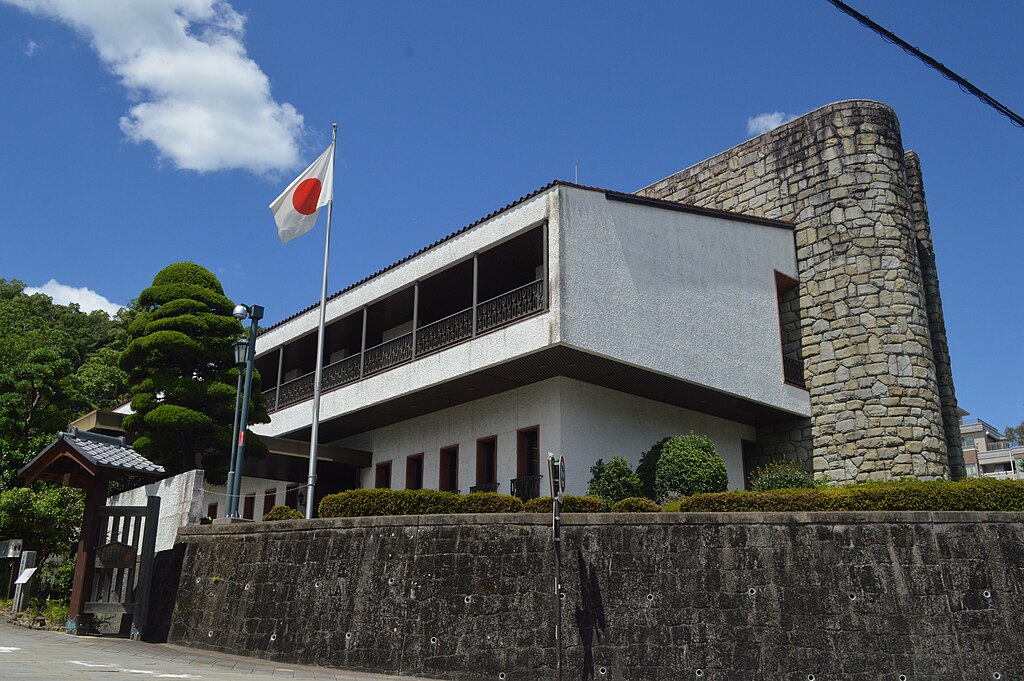
The Bank of Japan is widely expected to keep its benchmark interest rate unchanged at 0.75% this Thursday, even as rising inflationary pressures force policymakers to maintain a cautious rate-hike stance. The decision comes against a backdrop of global oil prices surging nearly 70% following the outbreak of U.S.-Israel military operations against Iran on February 28 — a development that has sent shockwaves through energy markets and reignited cost-of-living concerns worldwide.
For Japan, a heavily import-dependent economy, the spike in fuel costs presents a dual threat: slower economic growth on one hand, and runaway inflation on the other. This classic stagflation dilemma is putting BOJ Governor Kazuo Ueda in a difficult position heading into Thursday's post-meeting press briefing, where investors will closely monitor his tone on future rate hike timing and inflation risk management.
Analysts warn that a dovish signal from Ueda could actually push long-term Japanese government bond yields higher, as markets may begin pricing in the risk of the central bank falling behind the curve on inflation. Japan's real interest rates remain deeply negative, meaning further delays in tightening monetary policy could undermine the effectiveness of previous rate hikes and allow inflation expectations to drift upward.
The more consequential policy decision may come in April, when the BOJ conducts its quarterly economic projections review. By then, key data — including the Tankan business survey on April 1 and a regional branch managers' meeting on April 6 — will offer clearer signals on how the ongoing conflict is affecting domestic conditions.
Despite growth risks and political pressure to move slowly, financial markets currently price in roughly a 70% probability of a rate hike in April. If elevated oil prices persist and inflation expectations climb, the BOJ may have little choice but to act — even in the face of mounting economic uncertainty.







