


 Oil Prices Rebound as Iran Denies U.S. Talks Amid Gulf War Supply Fears
  UK Consumer Confidence Weakens Amid Middle East Conflict and Rising Living Costs
  U.S. Futures Slide as Iran Denies Nuclear Talks with Washington
  Currency Markets Show Caution Amid U.S.-Iran Negotiations
  U.S. Oil Prices Slide as Middle East Ceasefire Talks Spark Market Optimism
  Iran-Israel Missile Strikes Continue Amid Mixed Signals on U.S.-Iran Diplomacy
  Asian Currencies Stay Muted as Dollar Holds Firm Amid Iran Uncertainty
  U.S. Stock Futures Steady as Iran Reviews U.S. Ceasefire Proposal
  Federal Reserve Balance Sheet Reduction: Brookings Research Outlines Possible Path Forward
  Japan Eyes Oil Futures Intervention to Stabilize Yen Amid Middle East Crisis
  Wall Street Slides as Iran War Uncertainty, Oil Surge, and AI Fears Rattle Markets
  ECB Eyes Rate Hike Amid Iran Conflict-Driven Energy Price Surge
  Australia's Inflation Eases in February but Core Pressures Persist
  Middle East War Rattles Global Markets as Oil Tops $100 and Dollar Surges
  Trump Tariffs Show Minimal Economic Impact but Boost Federal Revenue, Study Finds
  Asian Markets Rally as Oil Prices Tumble and Middle East Peace Hopes Emerge


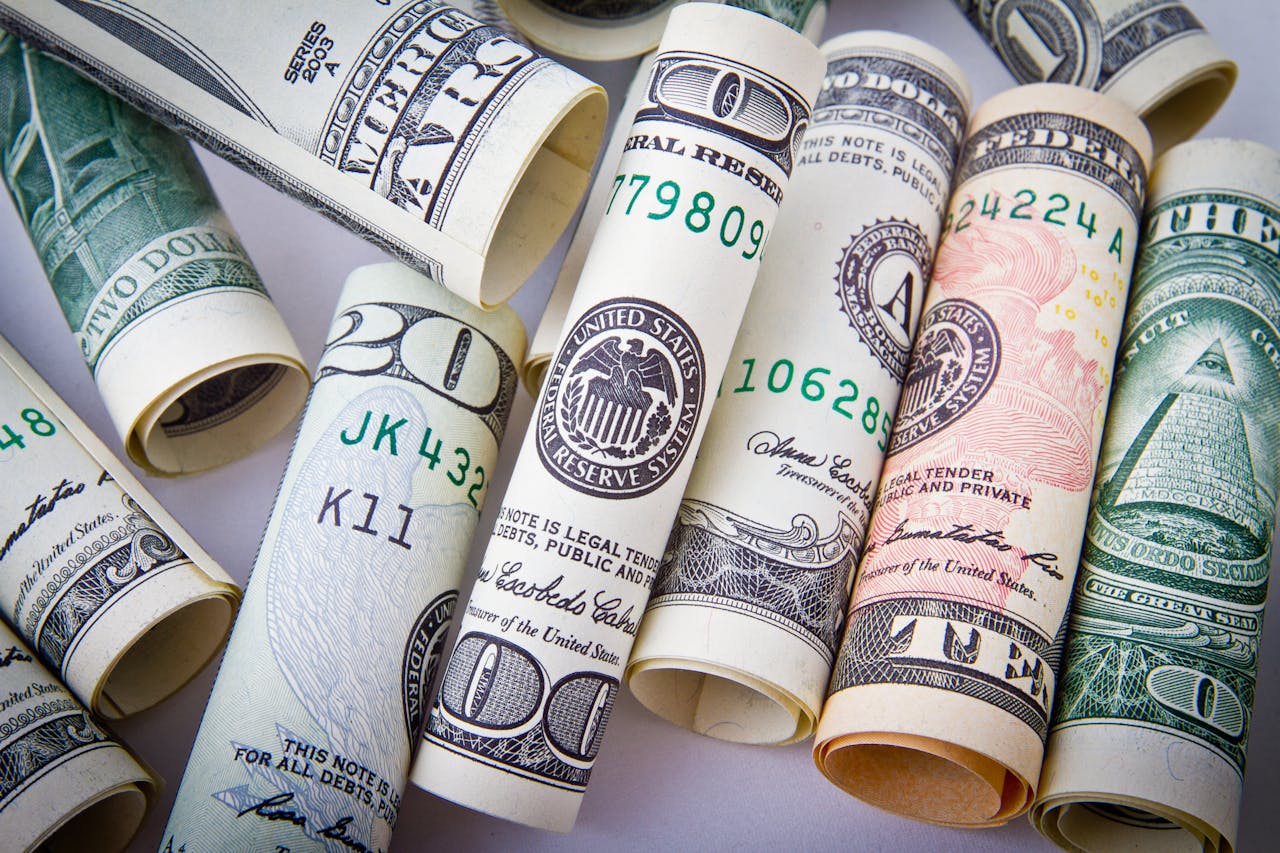
The U.S. dollar held firm close to its highest level in ten months this Monday as global investors prepared for a pivotal week of central bank policy decisions, all unfolding against the backdrop of the ongoing U.S.-Israel military conflict with Iran.
At least eight major central banks are scheduled to meet this week, including the Federal Reserve, the European Central Bank, the Bank of England, and the Bank of Japan — their first gatherings since the Middle East war erupted. Policymakers face a delicate balancing act as surging oil prices threaten to push inflation higher while simultaneously weighing on economic growth.
Carol Kong, currency strategist at Commonwealth Bank of Australia, noted that central bank responses will largely depend on whether inflation in each country was already running above, at, or below target before the conflict began. The war introduces both downside growth risks and upside inflation pressures, complicating monetary policy decisions worldwide.
The dollar index slipped marginally to 100.20 but stayed close to last week's multi-month peak. Meanwhile, the euro edged 0.14% higher to $1.1433, recovering slightly from a seven-and-a-half-month low, while sterling gained 0.17% to trade at $1.3245 after logging a 1.5% weekly decline.
President Trump urged allied nations to help secure the Strait of Hormuz, a critical oil and gas shipping corridor, warning that NATO's future could be at risk if allies fail to cooperate. Oil prices dipped slightly on optimism over easing energy disruptions, though geopolitical uncertainty persists.
The Australian dollar climbed 0.55% to $0.7019, supported by expectations that the Reserve Bank of Australia will raise rates by 25 basis points on Tuesday. Markets currently price a 74% probability of that hike, with analysts forecasting an additional increase in May.
The Japanese yen remained under pressure near 160 per dollar, weighed down by Japan's heavy dependence on Middle Eastern energy imports, which complicates the Bank of Japan's policy outlook. Elsewhere, the New Zealand dollar rose 0.47%, while the offshore yuan strengthened marginally after senior U.S. and Chinese officials held constructive economic talks in Paris over the weekend.













