


 Asian Chip Stocks Tumble as OpenAI Safety Pause Sparks AI Growth Concerns
  China, US Extend Trade Truce Through January 10 After Trump-Xi Summit
  Yen in Focus as BOJ, Fed Rate Hikes Reshape Currency Markets
  U.S. Stock Futures Steady as AI, Rate Concerns Weigh
  BOJ Set to Raise Rates to 1.25% as Inflation Risks Build
  Central Banks Could Buy 20,000 Tonnes of Gold: BofA
  US Dollar Hits Two-Month High as Aussie, Pound Slide
  China Industrial Profit Growth Slows as Weak Demand Offsets AI Gains
  Australia Budget Deficit Narrows to A$22.3 Billion on Stronger Tax Revenue
  Nvidia China Chip Sales Report Sends Chinese Semiconductor Stocks Lower
  Fed Unveils Stablecoin Rules Under GENIUS Act
  Oil Prices Jump Nearly 3% as Iran Holds Firm on Hormuz Conditions
  BlackRock’s Rick Rieder Favors Bonds Over Stocks as Treasury Yields Surge


 Add as a preferred source on Google
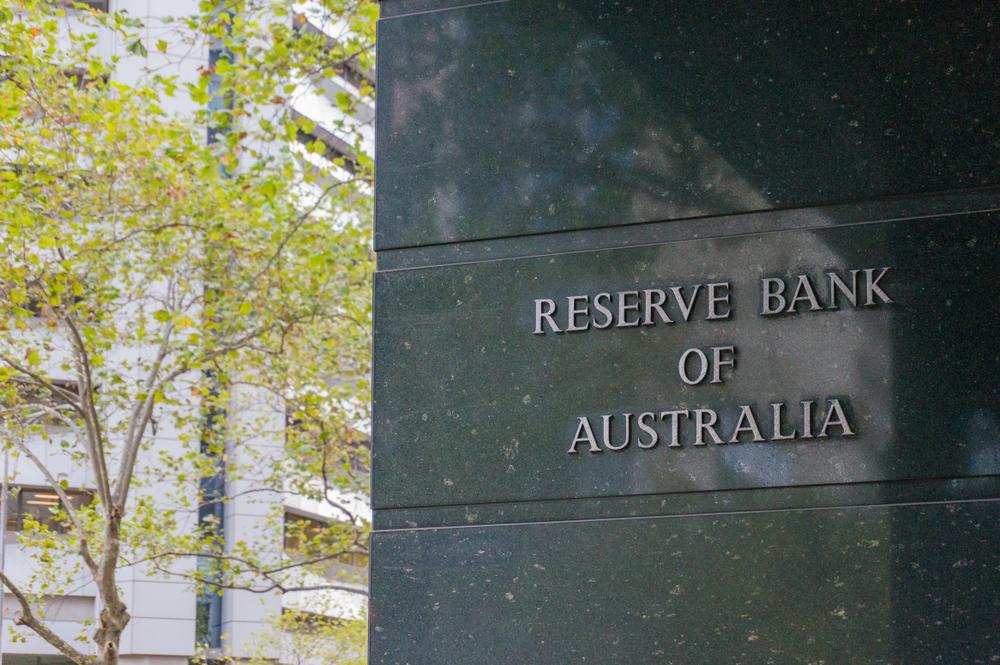
Australia's central bank delivered its second consecutive interest rate hike on Tuesday, lifting the official cash rate by 25 basis points to 4.10% — its highest level in ten months. The Reserve Bank of Australia (RBA) justified the move as a necessary step to bring inflation back under control, even as the board remained deeply divided over the decision.
The vote was historically close, with five board members supporting the rate increase and four opposing it — marking the tightest split since the RBA began publicly disclosing individual voting records. This near-even divide signals that future rate hikes are far from guaranteed, and that policymakers are carefully weighing the economic risks of continued monetary tightening.
Tuesday's decision effectively reverses two of the three interest rate cuts the RBA implemented last year, reflecting a significant shift in the bank's monetary policy stance. The move had been widely anticipated by financial markets after senior RBA officials flagged the March meeting as "live," hinting that a rate adjustment was firmly on the table.
The primary driver behind the hike is Australia's persistently high core inflation rate, which currently sits at 3.4% — well above the central bank's target band of 2% to 3%. Despite months of policy measures aimed at cooling price pressures, inflation has proven stubborn, pushing the board toward further action.
However, the razor-thin margin of the vote underscores growing uncertainty about the path ahead. With nearly half the board opposing the increase, any additional tightening will likely depend on whether upcoming inflation data shows meaningful progress toward the RBA's target range.
Investors and economists will now watch closely for signals from RBA Governor Michele Bullock on how the central bank plans to navigate the delicate balance between taming inflation and protecting Australia's broader economic growth.







