


 Iran-U.S. War Escalates: Strait of Hormuz Shipping Under Threat
  Trump's Iran War Strategy Caught Between Hawks, Economists, and His Political Base
  Ukraine Peace Talks Delayed as U.S. Cites Middle East Tensions
  Iran-U.S. Military Escalation Shakes Persian Gulf and Global Oil Markets
  Dan Caldwell Joins ODNI After Pentagon Leak Investigation Clearance
  Israel-Lebanon Ceasefire Talks Expected Amid Ongoing Hezbollah Conflict
  SEC Eyes Shift to Semiannual Corporate Reporting, Ending 50-Year Quarterly Mandate
  U.S.-China Trade Talks Resume in Paris Amid Rising Global Tensions
  Iran Denies Active Diplomacy With U.S. Amid Ongoing War
  U.S.-Iran War Escalates as Strait of Hormuz Crisis Threatens Global Oil Supply
  Russia Launches Massive Missile and Drone Strike on Ukraine, Killing Six
  Taiwan Confident U.S. Arms Sale Review Remains on Track Despite Trump's China Trip Delay
  Israel's Missile Interceptor Shortage Puts Defense Stocks in the Spotlight
  U.S. Oil Executives Warn Trump Administration of Worsening Energy Crisis Amid Strait of Hormuz Disruptions
  Federal Judge Blocks Trump Administration's Move to End Temporary Protected Status for Somali Immigrants
  Harry and Meghan Spokesperson Slams New Royal Biography as "Deranged Conspiracy"


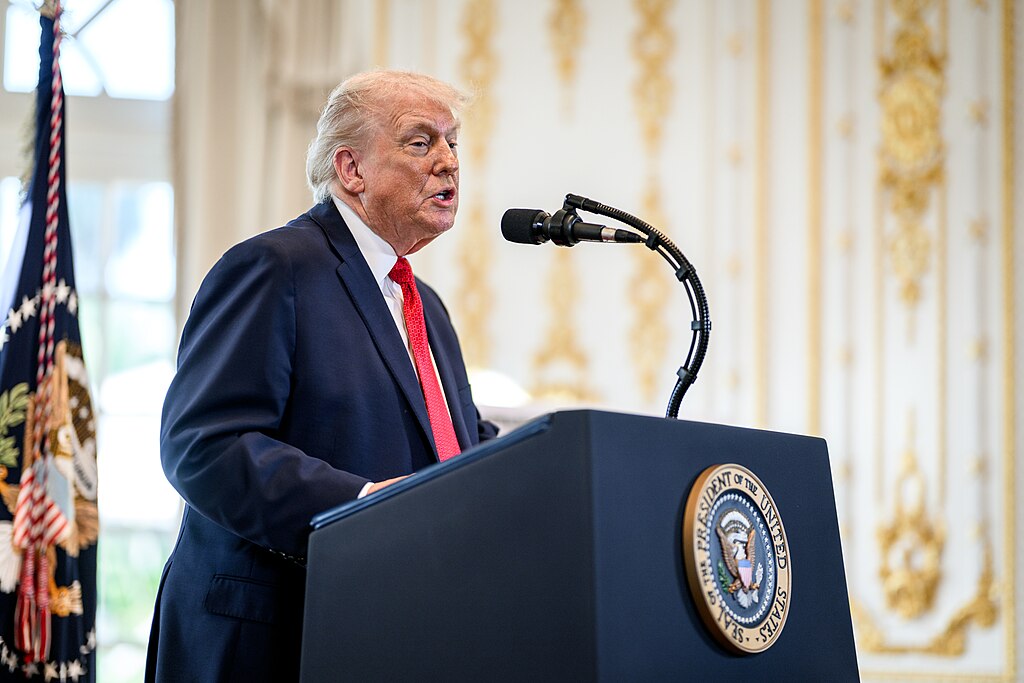
President Donald Trump escalated his aggressive foreign policy stance toward Cuba on Monday, declaring he expected to have the "honor" of taking the island nation "in some form." Speaking to reporters during an Oval Office signing event, Trump stated he believed he could "do anything I want" with Cuba — remarks that drew immediate international attention as the two countries are actively engaged in diplomatic negotiations.
The bold statements arrive at a critical moment. Cuba is grappling with a severe economic collapse, worsened by a U.S.-imposed oil blockade enacted after Trump removed former Venezuelan President Nicolas Maduro from power. Cuba confirmed it has gone three months without receiving an oil shipment, forcing extreme energy rationing and widespread power outages across the island. On the same day Trump spoke, Cuba's national power grid failed entirely, leaving all 10 million residents without electricity.
Despite the heated rhetoric, American and Cuban officials have been holding talks aimed at stabilizing their historically adversarial relationship. However, the New York Times reported — citing four sources familiar with the negotiations — that Washington has privately communicated a key demand: Cuban President Miguel Díaz-Canel must be removed from office. Cuba has long rejected any foreign interference in its internal governance, typically treating such conditions as immediate deal-breakers.
Díaz-Canel, who assumed the presidency in 2018 following the Castro era, publicly called for negotiations grounded in "sovereignty, equality, and mutual respect." His position contrasts sharply with Washington's increasingly interventionist posture.
Analysts note that while numerous U.S. administrations have opposed Cuba's communist government, the United States has historically honored its post-Cuban Missile Crisis commitment to refrain from military invasion. The White House has not yet provided any legal framework justifying potential intervention, leaving the international community watching the situation closely.













