


 Denmark Election 2026: Frederiksen Eyes Third Term Amid Trump-Greenland Tensions
  Trump Says Iran Offered Major Energy Concession Amid Ongoing Negotiations
  U.S.-Iran Peace Talks Gain Momentum Amid Ongoing Conflict
  Trump Votes by Mail Despite Calling It "Cheating" as Democrat Wins Mar-a-Lago District
  Trump Seeks Quick End to U.S.-Iran Conflict Amid Ongoing Middle East Tensions
  Trump Administration Settles Lawsuit Barring Federal Agencies from Pressuring Social Media Censorship
  WTO Reform Talks Begin in Cameroon Amid Global Trade Tensions
  Iran-Israel Missile Strikes Continue Amid Mixed Signals on U.S.-Iran Diplomacy
  Iran Demands Lebanon Be Part of Any Ceasefire Deal With Israel and the U.S.
  Cuba Receives Humanitarian Aid Convoy Amid U.S. Sanctions
  US Accelerates Taiwan Arms Deliveries Amid Rising China Threat
  Trump's Overhaul of American History: Museums, Monuments, and Cultural Institutions
  Israel Eyes Litani River as New Border Amid Escalating Lebanon Offensive
  Russia-Iran Military Alliance Deepens With Drone Shipments Amid Middle East Tensions
  US-Iran Ceasefire Talks Underway: What You Need to Know
  Trump Administration Opens Two New Investigations Into Harvard Over Discrimination and Antisemitism
  Trump Backs Down on Iran Strikes After Gulf Allies Sound the Alarm


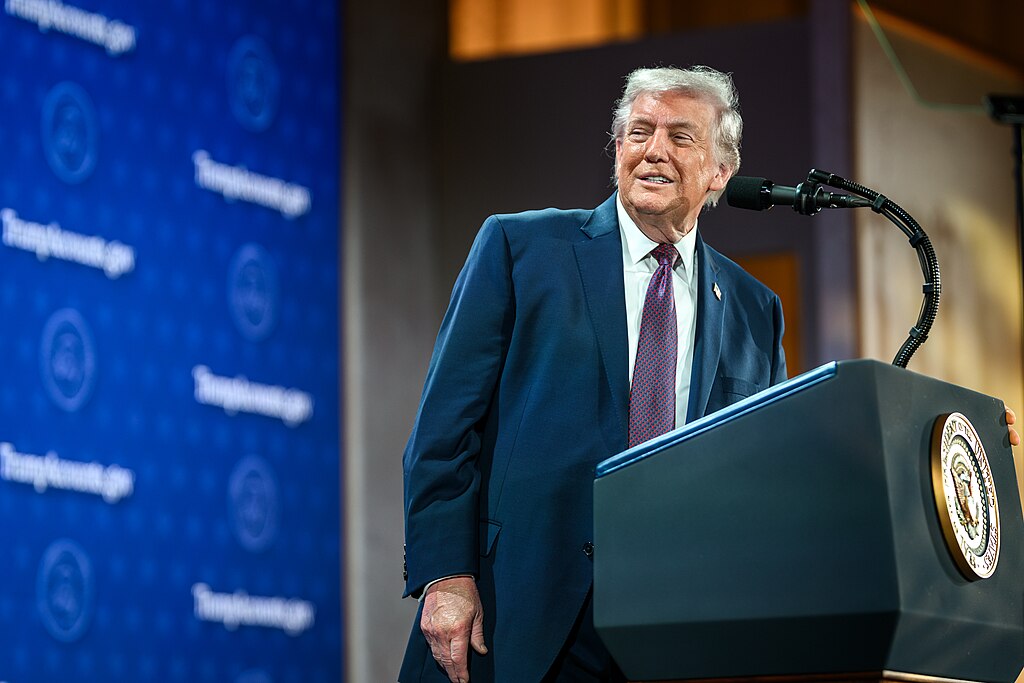
Despite President Donald Trump's repeated claims that Iran's retaliatory strikes against U.S. Gulf allies came as a complete surprise, multiple sources with knowledge of pre-war intelligence briefings are pushing back on that narrative. A U.S. official and two individuals familiar with classified intelligence reports confirmed that the possibility of Iranian retaliation against Gulf states was clearly outlined before the conflict began.
While the intelligence did not present such retaliation as inevitable, it was described as a recognized and plausible outcome. Trump, however, publicly stated on two separate occasions that Iran's decision to strike Qatar, Saudi Arabia, the United Arab Emirates, Bahrain, and Kuwait was entirely unexpected. "Nobody expected that. We were shocked," he said during a White House event.
Beyond Gulf state retaliation, Trump was also reportedly briefed that Iran might move to close the Strait of Hormuz — a critical global shipping corridor through which roughly 20% of the world's oil supply flows. Since the conflict escalated, Iran has nearly halted all maritime traffic through the strait, sending global energy prices sharply higher. Iranian drones and missiles have also struck U.S. military installations, civilian infrastructure, airports, and energy facilities across the Gulf region.
The air campaign against Iran, launched jointly by the U.S. and Israel on February 28, has been justified by the Trump administration through several claims — including allegations of an imminent Iranian nuclear threat — that Democratic lawmakers and intelligence officials say were not substantiated in official briefings. Lawmakers who attended classified sessions last week stated they received no evidence of an imminent threat warranting military action.
Intelligence assessments also warned that Israeli strikes targeting senior Iranian leadership would likely provoke retaliation against American military and diplomatic outposts. Despite these warnings, the administration delayed ordering evacuations of diplomatic staff from regional embassies until after strikes had already begun.













