


 Iran-Israel Missile Strikes Continue Amid Mixed Signals on U.S.-Iran Diplomacy
  G7 Foreign Ministers Gather in France Amid Global Tensions and U.S. Policy Uncertainty
  Trump Votes by Mail Despite Calling It "Cheating" as Democrat Wins Mar-a-Lago District
  Australia's Inflation Eases in February but Core Pressures Persist
  Russia Strikes Kharkiv and Izmail as Cross-Border Drone War Escalates
  US Accelerates Taiwan Arms Deliveries Amid Rising China Threat
  Trump Tariffs Show Minimal Economic Impact but Boost Federal Revenue, Study Finds
  U.S. Oil Prices Slide as Middle East Ceasefire Talks Spark Market Optimism
  U.S. Futures Slide as Iran Denies Nuclear Talks with Washington
  Gold Prices Climb as Middle East Ceasefire Talks Stir Market Optimism
  Trump's Overhaul of American History: Museums, Monuments, and Cultural Institutions
  Russia-Iran Military Alliance Deepens With Drone Shipments Amid Middle East Tensions
  Oil Prices Climb as Iran Reviews U.S. Peace Proposal Amid Middle East Tensions
  US-Iran Ceasefire Talks Underway: What You Need to Know
  Trump Administration Opens Two New Investigations Into Harvard Over Discrimination and Antisemitism
  WTO Reform Talks Begin in Cameroon Amid Global Trade Tensions
  Pakistan's Diplomatic Rise: Mediating U.S.-Iran Peace Talks


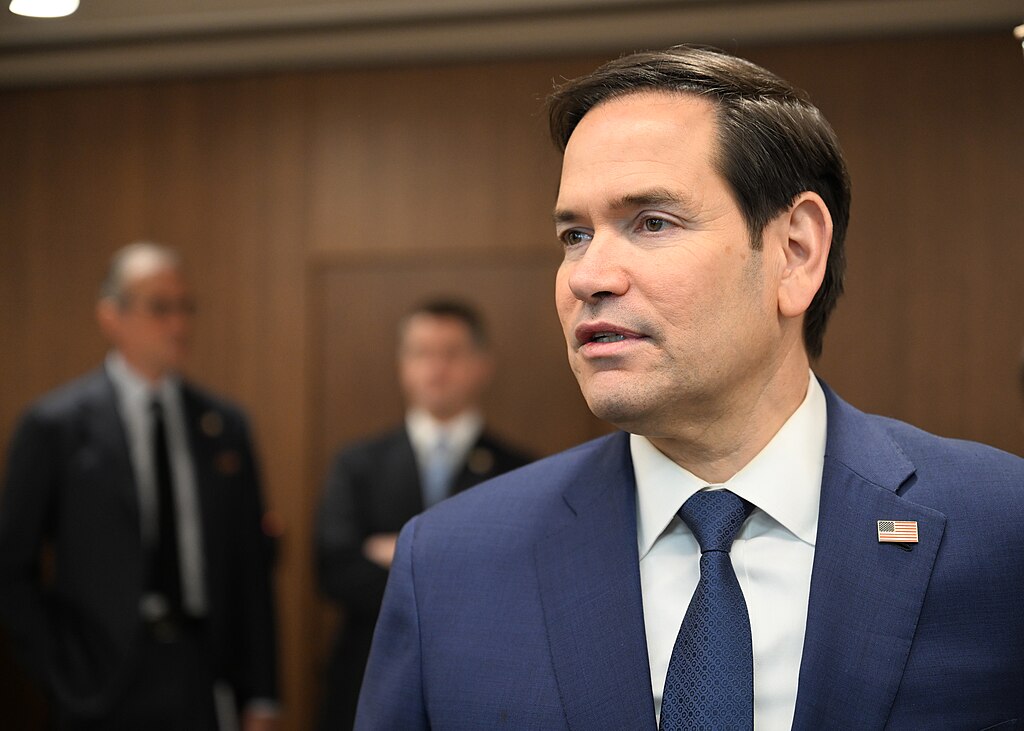
U.S. Secretary of State Marco Rubio emphasized during a phone call with South Korean Foreign Minister Cho Hyun on Monday that international cooperation to secure the Strait of Hormuz is critical for stabilizing global oil prices and the broader world economy. The statement signals growing American pressure on Asian allies to contribute militarily to protecting one of the world's most vital energy corridors.
Foreign Minister Cho stopped short of confirming whether Washington formally requested South Korea to deploy a naval vessel to the strait, even as South Korean parliament members pressed him on the matter and raised concerns that such a deployment could conflict with domestic law. Cho assured lawmakers that any decision made would strictly follow the country's constitution and legal framework.
President Donald Trump has publicly criticized several Western allies for rejecting his call to send warships to escort oil tankers through the Strait of Hormuz, a waterway responsible for transporting roughly 20% of the world's oil and liquefied natural gas. Since the United States and Israel launched a military campaign against Iran beginning February 28, the strait has been largely inaccessible to international tanker traffic, driving energy prices higher and fueling inflation fears globally.
South Korea faces significant economic stakes in this dispute. The country imports nearly 70% of its oil and about 20% of its LNG from the Middle East, making uninterrupted access to the strait essential. Despite this dependence, South Korea's Defense Ministry stated it had not officially received any deployment request.
South Korea already maintains a naval presence in the region through its Cheonghae anti-piracy unit, active since 2009, which operates a destroyer, an attack helicopter, and approximately 260 crew members near the Somali coast. Both nations agreed to continue close consultations on freedom of navigation and regional security moving forward.













