


 How the war in Iran is already affecting UK farmers and food production
  Bank of Japan Unveils New Inflation Gauge to Support Case for Future Rate Hikes
  Oil Prices Climb as Iran Reviews U.S. Peace Proposal Amid Middle East Tensions
  EU and CPTPP Nations Push for Landmark Digital Trade Agreement
  U.S. Stock Futures Steady as Iran Reviews U.S. Ceasefire Proposal
  Oil Prices Surge Past $100 as U.S.-Iran Peace Hopes Collapse
  ECB Eyes Rate Hike Amid Iran Conflict-Driven Energy Price Surge
  NASDAQ Tech Selloff: Correction or Collapse? What Analysts Are Saying
  Oil Prices Slip as Middle East Tensions Ease, Heading for Weekly Loss
  Dollar Strengthens as U.S.-Iran Peace Talks Send Mixed Signals
  Google's TurboQuant Sends South Korean Chip Stocks Tumbling Amid AI Memory Demand Fears
  Oil Prices Slip as Trump Extends Iran Ceasefire Deadline Amid Ongoing War Fears
  Asian Currencies Stay Muted as Dollar Holds Firm Amid Iran Uncertainty
  Iran Allows Oil Tankers Through Strait of Hormuz Amid U.S. Negotiations
  WTO Reform Talks Begin in Cameroon Amid Global Trade Tensions
  U.S. Stocks Tumble as Iran Peace Deal Uncertainty Spooks Markets


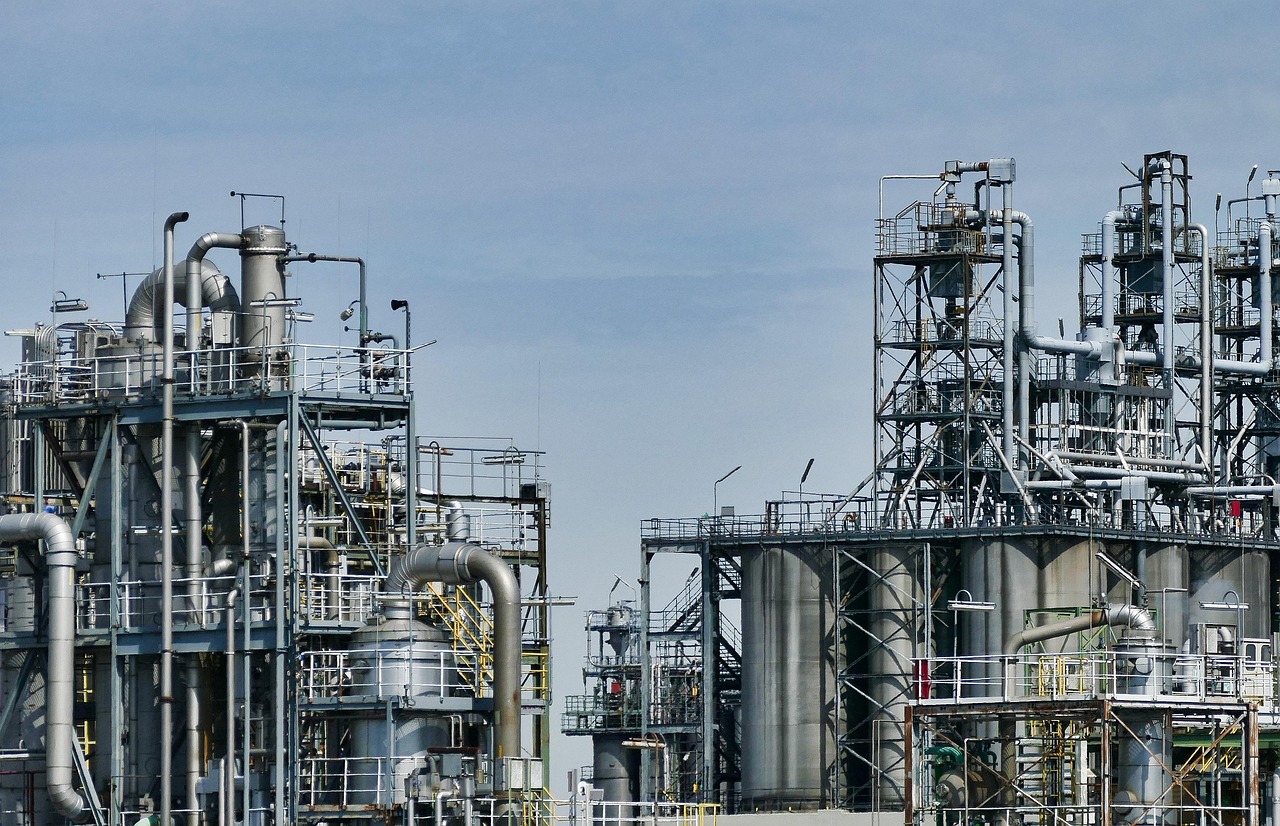
Oil prices rose about 1% in early Asian trading on Monday after the Organization of the Petroleum Exporting Countries and its allies (OPEC+) announced a smaller-than-expected production increase for November, easing market concerns over potential oversupply.
Brent crude futures gained 63 cents, or roughly 1%, to reach $65.16 a barrel, while U.S. West Texas Intermediate (WTI) crude climbed 58 cents to $61.46. Analysts attribute the rise to OPEC+’s cautious move to boost output by only 137,000 barrels per day (bpd) next month—matching October’s modest increase.
Independent analyst Tina Teng said the price uptick was mainly driven by OPEC+’s decision to slow the pace of production hikes, aiming to stabilize oil markets after recent declines. However, she noted that crude prices may continue to face downward pressure due to a weakened global economic outlook.
In pre-meeting discussions, Russia pushed for maintaining the 137,000 bpd increase to prevent downward price pressure, while Saudi Arabia favored a larger output boost to regain market share. Despite these differing views, the group ultimately prioritized market balance amid fears of a potential supply glut.
Analysts from ANZ commented that the restrained production rise is “manageable” given ongoing supply disruptions tied to U.S. and European sanctions against Russia and Iran. Meanwhile, Ukraine’s intensified attacks on Russian energy infrastructure, including the Kirishi refinery, one of the country’s largest with an annual capacity exceeding 20 million tonnes, added further uncertainty to global supply stability.
Additionally, the Group of Seven (G7) finance ministers reaffirmed plans to tighten sanctions on Russian oil exports and penalize entities helping Moscow circumvent restrictions. These actions are part of the West’s continued efforts to limit Russia’s energy revenues amid its ongoing war in Ukraine.
With geopolitical tensions rising and economic forecasts softening, oil prices remain caught between tight supply conditions and sluggish global demand, leaving markets braced for continued volatility.







