


 Gold Prices Drop as Fed Rate Outlook and Iran Tensions Weigh on Market
  China Manufacturing PMI Edges Higher in June as Exports and AI Investment Boost Growth
  Central Banks Eye Gold, Reduce Dollar Exposure as AI Adoption Accelerates: OMFIF Survey
  Japan Targets 1%+ Real Economic Growth With ¥370 Trillion Investment Plan
  Asian Stocks End Strong Quarter as Dollar Surges, Yen Hits 40-Year Low Ahead of US Jobs Data
  Oil Prices Slip as U.S.-Iran Peace Talks and Strait of Hormuz Risks Keep Markets on Edge
  RBA Minutes Signal Australia Central Bank Remains Ready to Raise Interest Rates if Inflation Persists
  US Stock Futures Steady as Investors Await Payrolls Data and Monitor Iran Tensions
  Gold Price Falls as Fed Rate Hike Fears and U.S.-Iran Tensions Weigh on Bullion
  China Sets 1.25% Overnight Reverse Repo Rate Below Market Expectations
  Gold Price Ends Lower for Fourth Week Despite Rebound as Fed Rate Hike Bets Strengthen
  Trump Suspends Some Morocco Fertilizer Tariffs to Ease U.S. Supply Shortage
  Yen Falls to 40-Year Low as Markets Watch Japan Intervention and U.S. Jobs Report
  Economic pessimism has set in – but there are reasons for Australians to be hopeful
  Canada Grants C$7 Million to Greenland Molybdenum Mine to Strengthen Critical Minerals Supply
  Asian Currencies Stay Range-Bound as Investors Eye China Data, RBNZ Outlook and U.S.-Iran Ceasefire
  Oil Prices Rise as US-Iran Tensions Threaten Strait of Hormuz Oil Shipments


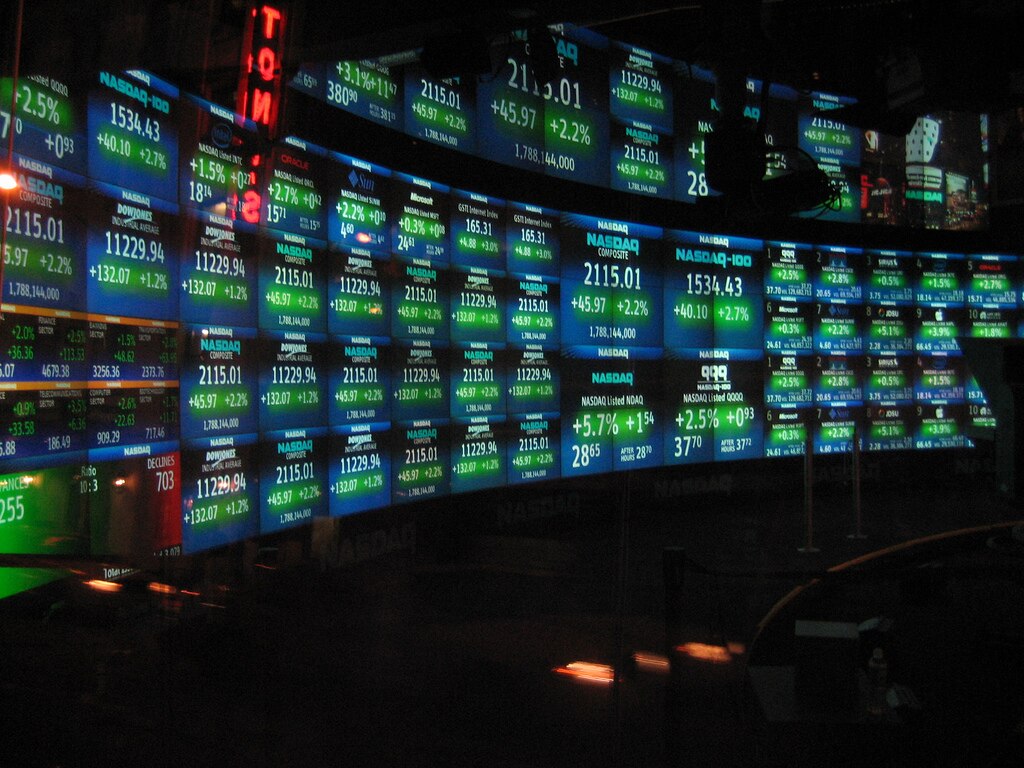
The NASDAQ Composite has officially entered correction territory, posting its sharpest valuation decline since the dotcom era as markets react to escalating U.S.-Iran military tensions. While the selloff has rattled investor confidence, analysts at Capital Economics argue the downturn reflects a temporary repricing rather than the beginning of a systemic breakdown.
One of the most closely watched indicators is the S&P 500 IT sector's forward price-to-earnings ratio, which has nearly aligned with broader market averages. Some analysts draw parallels to the final stages of the 2000 tech bubble, but today's environment tells a different story. Unlike the speculative, cash-poor firms that dominated that era, today's technology giants carry strong balance sheets, generate consistent free cash flow, and sit at the center of global digital infrastructure. Capital Economics notes that the narrowing valuation gap reflects the unwinding of early enthusiasm rather than a warning sign of an earnings recession ahead.
Geopolitical uncertainty has accelerated a rotation into safe-haven and defensive assets, yet the tech sector's capacity to sustain margins amid inflationary pressure gives it a distinct advantage over previous cycles. Institutional investors increasingly view the pullback as a healthy reset — one that may lay the groundwork for a recovery in the second half of the year, assuming macro conditions stabilize.
All eyes are now turning to the April earnings season, which will be the clearest test of how well technology companies have insulated themselves from geopolitical and macroeconomic headwinds. Should the conflict stay contained and energy prices remain manageable, AI-driven revenue growth and productivity gains are expected to reassert dominance. Many long-term investors are already treating current price levels as a strategic entry point into high-conviction growth positions, betting that the sector's structural advantages remain firmly intact.







