


 Trump Backs Nexstar–Tegna Merger Amid Shifting U.S. Media Landscape
  India–U.S. Interim Trade Pact Cuts Auto Tariffs but Leaves Tesla Out
  Trump Lifts 25% Tariff on Indian Goods in Strategic U.S.–India Trade and Energy Deal
  Israel Approves West Bank Measures Expanding Settler Land Access
  US Pushes Ukraine-Russia Peace Talks Before Summer Amid Escalating Attacks
  Trump Slams Super Bowl Halftime Show Featuring Bad Bunny
  Trump’s Inflation Claims Clash With Voters’ Cost-of-Living Reality
  Ohio Man Indicted for Alleged Threat Against Vice President JD Vance, Faces Additional Federal Charges
  Anutin’s Bhumjaithai Party Wins Thai Election, Signals Shift Toward Political Stability
  New York Legalizes Medical Aid in Dying for Terminally Ill Patients
  Sydney Braces for Pro-Palestine Protests During Israeli President Isaac Herzog’s Visit
  China Overturns Death Sentence of Canadian Robert Schellenberg, Signaling Thaw in Canada-China Relations
  Bangladesh Election 2026: A Turning Point After Years of Political Suppression
  Ghislaine Maxwell to Invoke Fifth Amendment at House Oversight Committee Deposition
  Trump Allows Commercial Fishing in Protected New England Waters
  Jack Lang Resigns as Head of Arab World Institute Amid Epstein Controversy
  Antonio José Seguro Poised for Landslide Win in Portugal Presidential Runoff


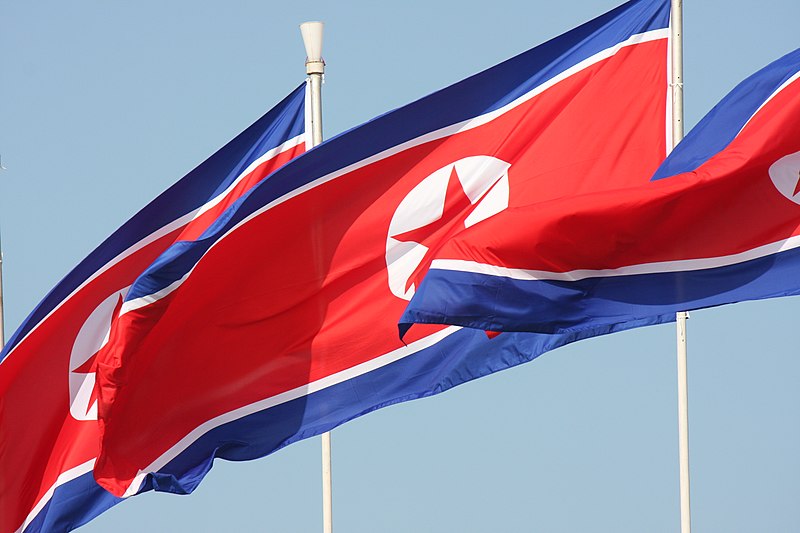
US researchers said this week that more North Koreans are using cell phones, and WiFi networks have expanded in recent years in the isolated nation. This comes as phones have become a tool for market activity.
Researchers Martyn Williams and Natalia Slavney of the Stimson Center’s 38 North program in Washington Tuesday published their study on digital communication in North Korea that included an assessment of satellite images and a survey of 40 defectors who fled North Korea from 2017 to 2021. The study found a rise in cellular phone subscribers since the 3G network service started in North Korea in 2008.
The assessment found that the number of users went up from 6.5 million to seven million, which is more than a quarter of the isolated nation’s population of 25 million.
“More than 90 percent of the people who participated in the survey reported using the phone at least daily, and most of the calls were made to family members and traders,” Slavney told a briefing on the assessment.
The study also showed an estimated map of North Korea’s cellular network by identifying the base stations with the accompanying antennas and solar panels from satellite images. Williams said the 3G service was not only available in the cities but also in rural areas.
Williams also explained that the sanctions on North Korea resulted in faster WiFi networks across the country due to the 3G network and limits on foreign investment in upgrades. However, the WiFi networks only provide citizens with access to domestic services rather than internet access.
The study comes at a time when North Korea is under scrutiny for its multiple weapons tests this year so far, along with fears that Pyongyang was gearing up for its first nuclear test in five years.
US President Joe Biden said Monday that he urged his Chinese counterpart Xi Jinping to talk North Korea out of resuming its nuclear tests. It remains to be seen whether Beijing would be able to convince North Korea.
During a news conference after his meeting with Xi, Biden said that Washington would do what it needs to do to defend itself and its allies Japan and South Korea in case Pyongyang moved forward with its weapons tests.













