


 Trump Advisers Warn Iran War Could Last Until 2029
  Russian Drone Strikes Hit Ukraine-Moldova Border, Kyiv and Sumy
  China Buys 1 Million Tons of U.S. Soybeans Ahead of Xi Visit
  Taiwan Flags Russian Film Screening as China-Japan Influence Push
  Paramount-Warner Bros. Discovery Merger Faces Lawsuit From 12 States
  Volkswagen Job Cuts Put Lower Saxony Leader Under Political Pressure
  Trump Rejects Saudi Request for U.S. Strikes on Houthis
  Iran Attacks 10 Ships as Hormuz Conflict Escalates
  Kim Jong Un Praises North Korean Troops Fighting Overseas
  Netflix Shuts Down Boss Fight Entertainment, Developer of “Squid Game: Unleashed” Amid Gaming Strategy Shift
  Kim Jong Un Praises North Korean Troops Fighting Overseas
  Squid Game Finale Boosts Netflix Earnings, But Guidance Disappoints Investors
  Jazz Ensemble Cancels Kennedy Center New Year’s Eve Shows After Trump Renaming Sparks Backlash
  George Clooney Criticizes Trump’s Tariff Threat, Calls for Film Tax Incentives
  Trump Expects Iran War to End After U.S. Midterms
  California Seeks Paramount Divestitures in Warner Bros. Merger


 Add as a preferred source on Google
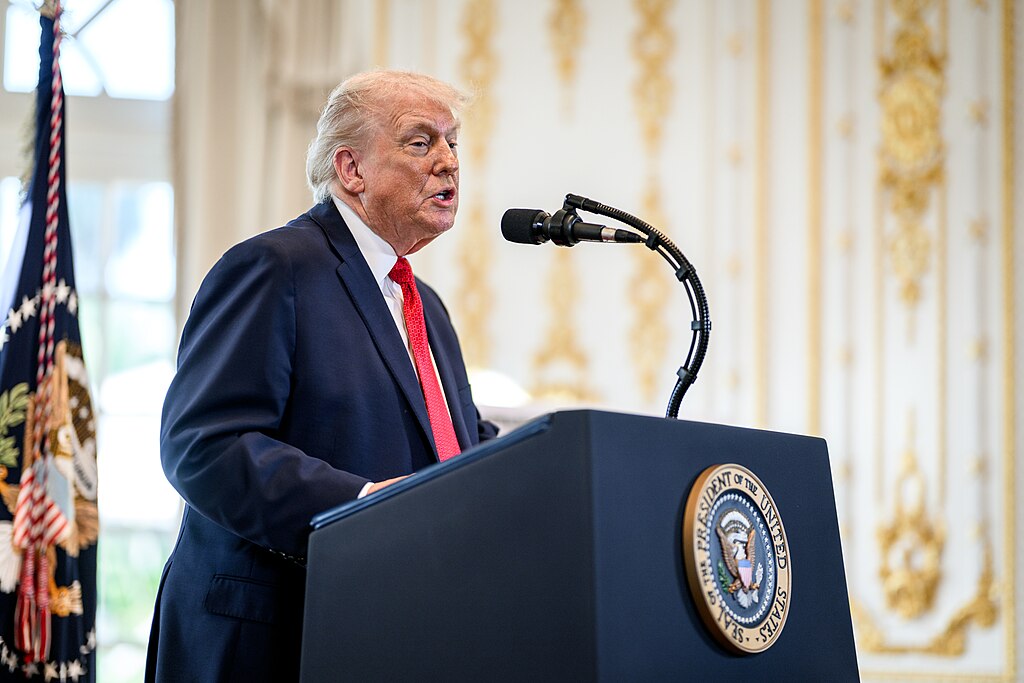
U.S. President Donald Trump sparked fresh controversy after criticizing the Super Bowl halftime show fronted by global music star Bad Bunny, calling the performance “absolutely terrible” in a social media post shared on Sunday. The comment quickly drew widespread attention online, adding another chapter to Trump’s long history of weighing in on pop culture and high-profile entertainment events.
The Super Bowl halftime show is one of the most-watched live music performances in the world, drawing millions of viewers and often shaping conversations across social media platforms. Bad Bunny, a Grammy-winning artist and one of the most streamed musicians globally, was the centerpiece of this year’s performance, which blended Latin music, elaborate choreography, and high-energy visuals. While many fans praised the show for its diversity and cultural representation, Trump’s remarks underscored the sharply divided reactions to the performance.
In his post, Trump did not elaborate on specific aspects of the show he disliked, but his blunt criticism quickly went viral, prompting responses from Bad Bunny fans, political commentators, and entertainment critics alike. Supporters of the singer defended the halftime show, pointing to its strong viewership numbers and positive feedback from audiences who appreciated the global influence of Latin music on the Super Bowl stage. Others argued that halftime performances are inherently subjective and often polarizing, regardless of the artist involved.
The backlash and debate highlight how the Super Bowl halftime show continues to serve as a cultural flashpoint, where music, politics, and public opinion intersect. Trump’s comment also reflects his ongoing presence on social media as a commentator on major national events, even when they fall outside traditional political topics.
As discussions continue online, the incident reinforces the massive reach of both the Super Bowl and Bad Bunny, as well as the enduring ability of celebrity opinions to shape digital conversations. Whether praised or criticized, the halftime show once again succeeded in capturing global attention and dominating headlines well beyond game day.







